Ultimate Guide to Wall Paneling Options
How to Guides
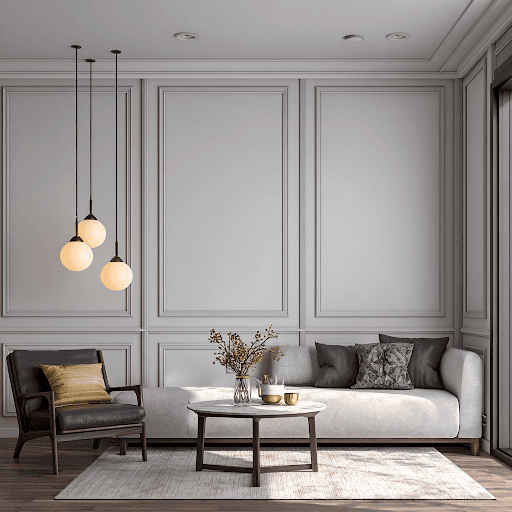




Walls are the largest uninterrupted surfaces inside a home.
Yet in many interiors, they are treated as blank backgrounds.
A simple coat of paint may be functional, but it rarely adds depth, texture, or character. This is where wall paneling quietly transforms a space. It introduces proportion, warmth, and architectural presence without overwhelming the room.
Today, wall paneling options are no longer limited to traditional wooden cladding. Modern homes use a wide range of materials, from moulded trims and laminates to fabric, charcoal textures, stone, and even glass accents.
The key is not adding panels everywhere.
It is choosing the right paneling style for the right wall.
This guide breaks down the most practical and design-relevant wall paneling options used by professional interior designers, along with where each works best and how to use them thoughtfully.
Wall Paneling Options Guide
Wall paneling adds depth, texture, and architectural character that plain paint cannot achieve.
Not every wall needs paneling. Strategic feature walls create stronger impact than full coverage.
Charcoal fluted panels work well for bold, modern feature walls.
Moulding and wainscoting add timeless elegance without heaviness.
Fabric panels bring softness and acoustic comfort, especially in bedrooms and lounges.
Laminates are durable, low-maintenance, and ideal for everyday use areas.
Stone and marble panels create premium focal points.
The right panel depends on room function, lighting, and proportion.
In short:
Use paneling thoughtfully to enhance walls, not overwhelm them.
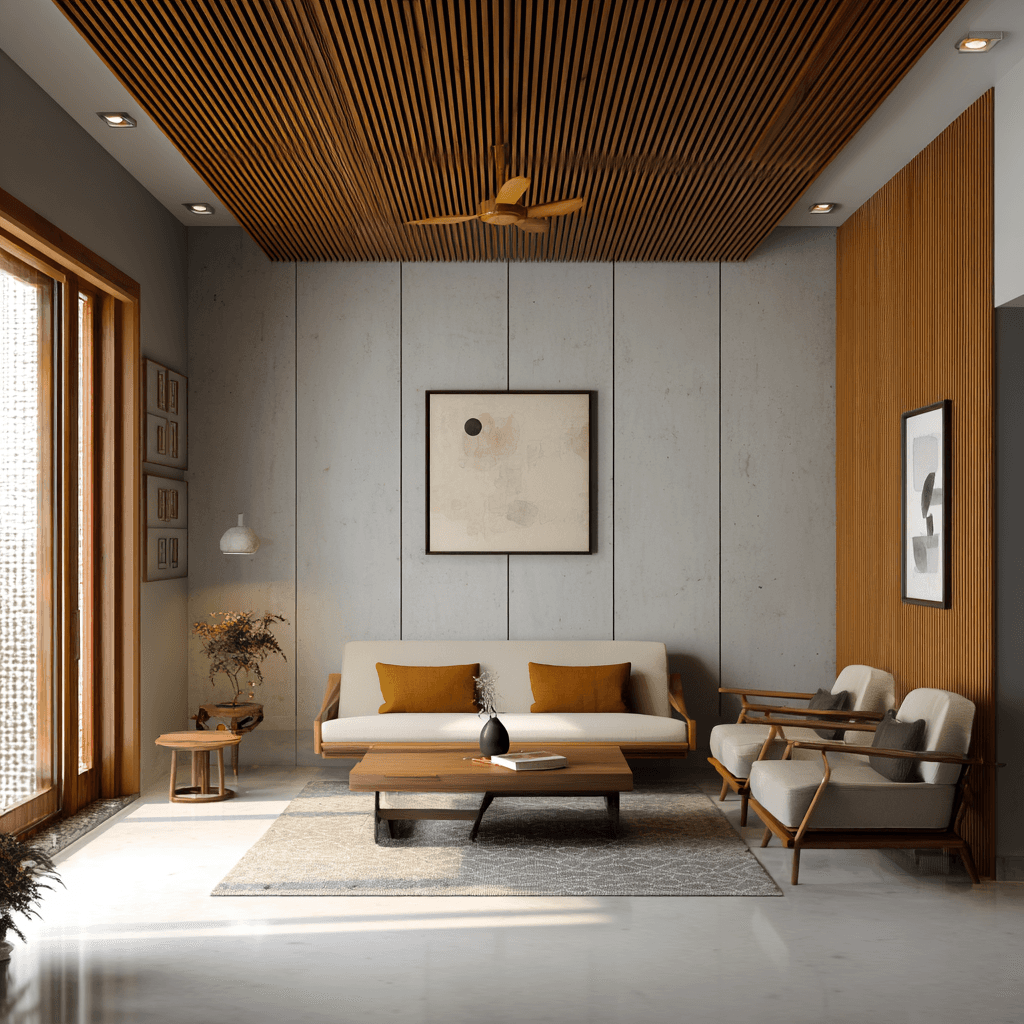
Why Wall Paneling Matters in Interior Design
Paneling is not decoration.
It is architecture.
When done well, it:
adds visual depth
improves proportion
hides imperfections
enhances acoustics
protects surfaces
creates focal points
Most importantly, paneling helps a home feel finished and intentional.
Flat painted walls feel temporary.
Layered walls feel designed.
How Designers Choose Wall Paneling
Before selecting materials, professionals evaluate:
room size
ceiling height
lighting conditions
usage patterns
overall design style
Not every wall needs paneling.
Often, a single feature wall delivers more impact than covering the entire room.
Restraint always looks more premium than excess.
Most Popular Wall Paneling Options for Modern Homes
Below are the wall paneling options designers most commonly recommend for Indian homes, apartments, and villas.
1. Charcoal fluted panels
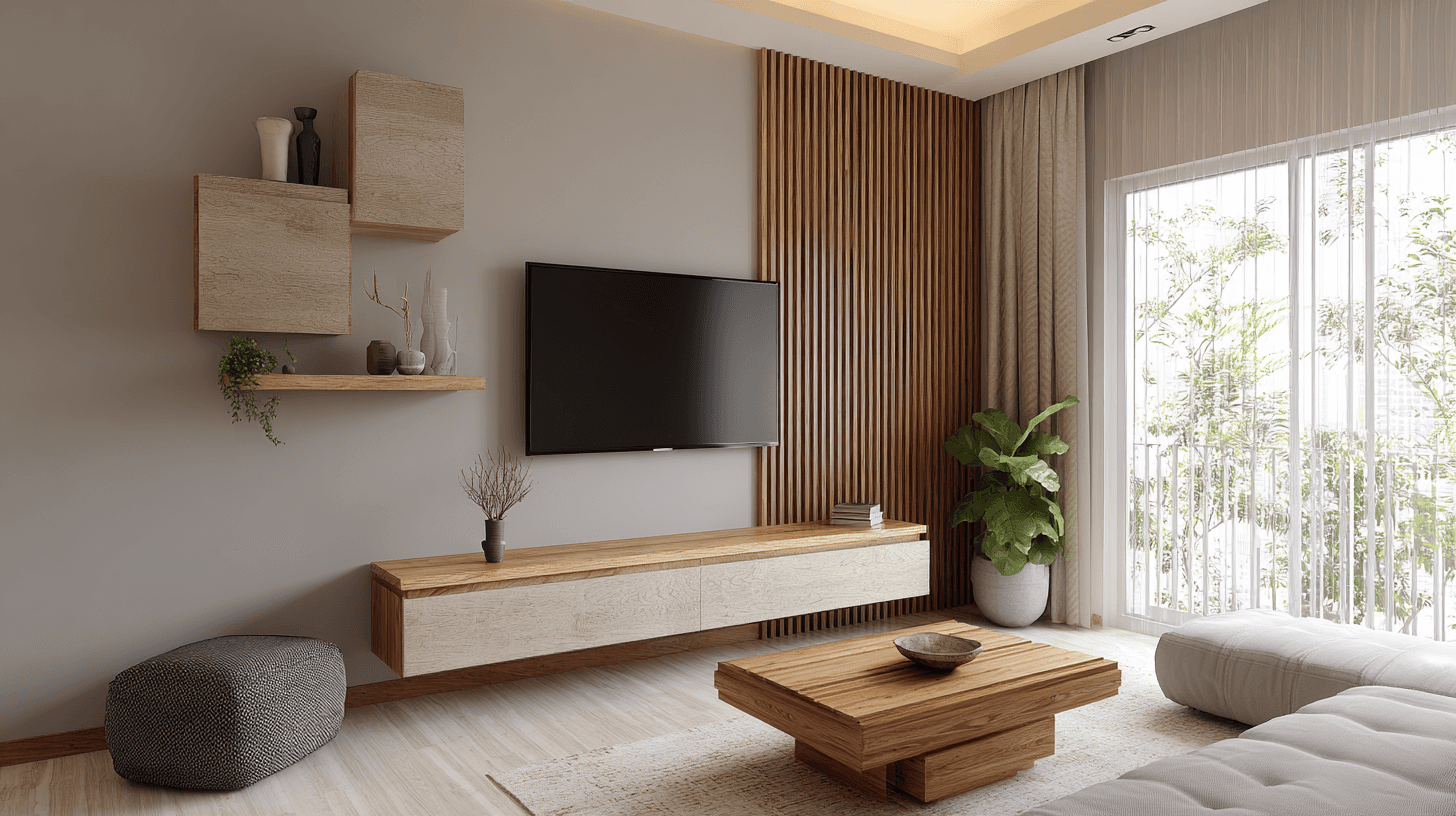
These panels feature vertical grooves that create dramatic shadows and texture.
Why they stand out
They:
add depth instantly
create bold feature walls
feel modern and architectural
work well with lighting
Best used in
TV walls
living room backdrops
office spaces
accent areas
Because they are visually strong, they should be used sparingly.
One feature wall is usually enough.
2. Wall Moulding and Wainscoting
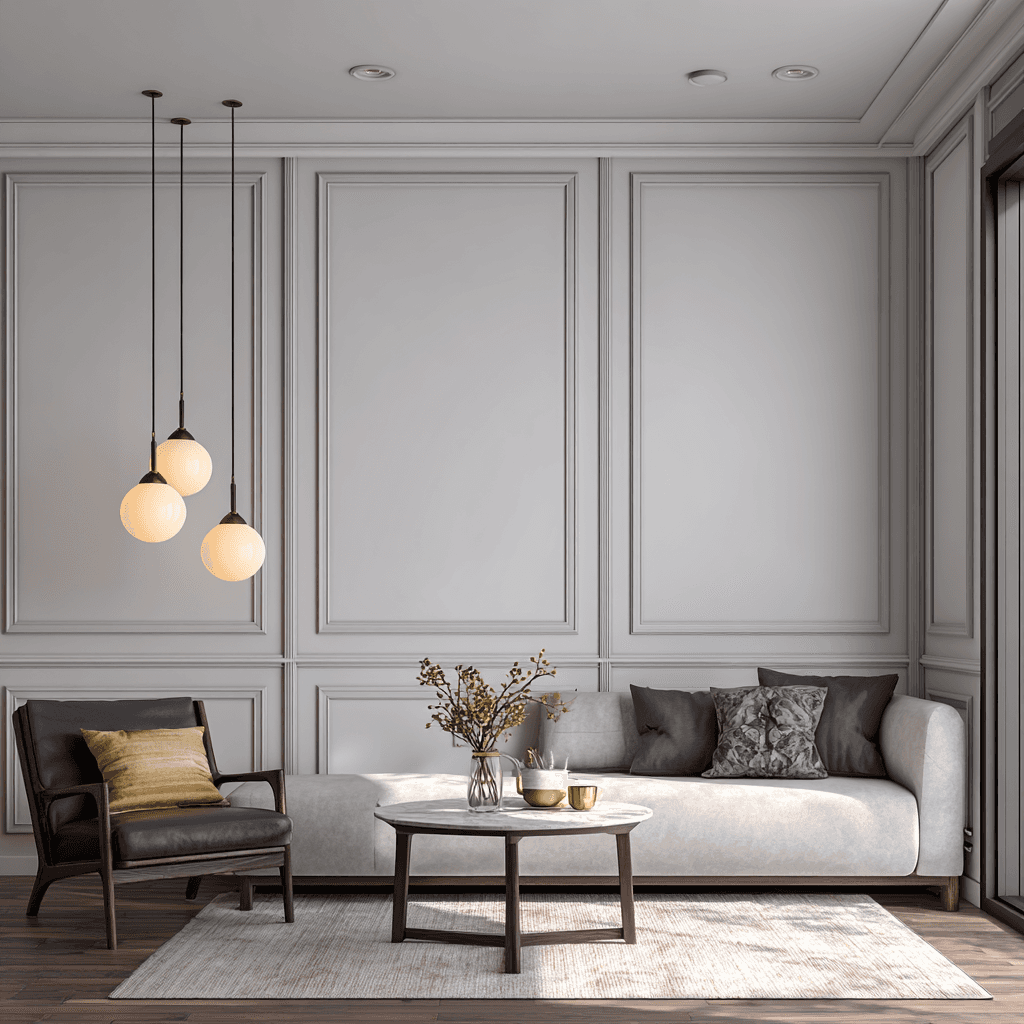
Wall moulding and wainscoting add subtle elegance without heaviness.
These are structured trims applied over walls to create frames, borders, or panels.
They are ideal when you want sophistication without adding thick materials.
Where it works best
bedrooms
dining rooms
entryways
formal living spaces
Why it’s popular
It:
feels classic and refined
adds depth without bulk
enhances proportion
works well with paint finishes
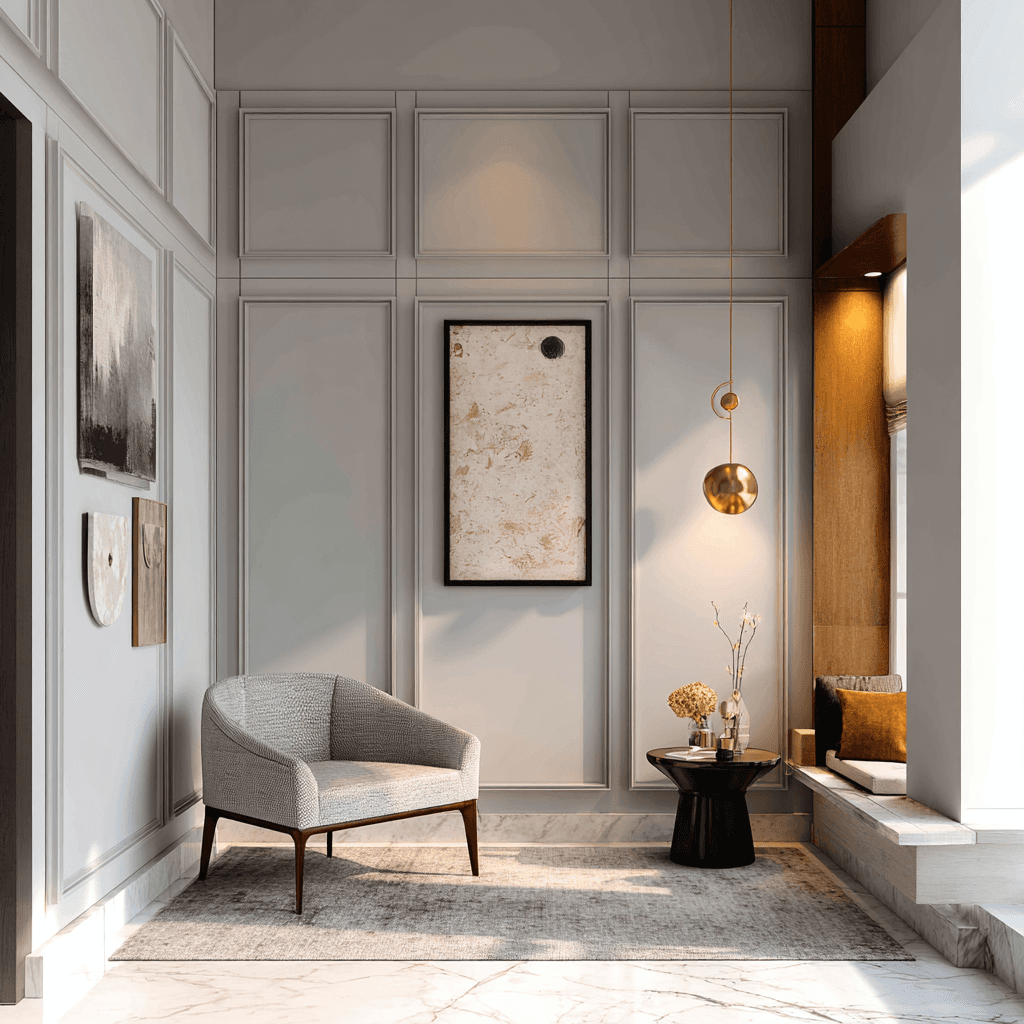
Wainscoting typically covers the lower portion of a wall, while moulding can create full-wall grid or frame patterns.
This style suits homes that lean toward timeless or transitional interiors.
3. Fabric or Upholstered Panels
Fabric panels are increasingly popular for bedrooms and media spaces.
They introduce softness, both visually and acoustically.
Unlike hard surfaces, fabric absorbs sound and creates a cosy atmosphere.
Ideal for
bed back walls
home theatres
reading corners
lounges
Design benefits
They:
reduce echo
feel plush and luxurious
improve comfort
add subtle texture
4. Laminate Wall Panels
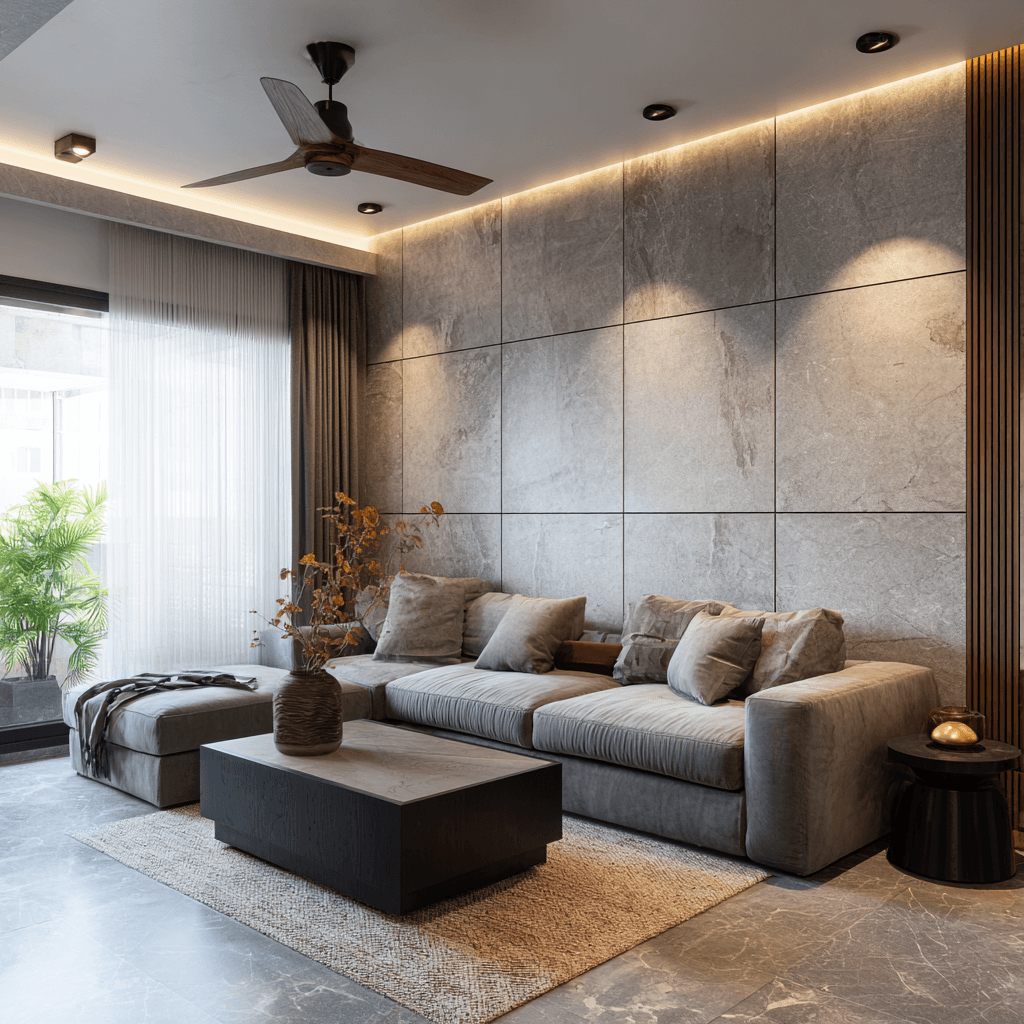
Laminate panels are among the most practical wall paneling options.
They offer the look of wood, stone, or texture while remaining easy to maintain.
Why designers recommend laminates
They:
are durable
resist scratches
are easy to clean
come in endless finishes
work well for daily-use areas
Best for
TV units
wardrobes
study areas
storage walls
high-traffic zones
Laminate panels are especially useful when you want a clean, modern aesthetic without heavy detailing.
They blend seamlessly with built-in furniture.
5. Stone and Marble Panels
Natural stone panels bring a premium and timeless feel to interiors.
They create an instant focal point and elevate the space.
Ideal locations
living room feature walls
pooja areas
entryways
luxury bedrooms
Design impact
They:
feel elegant
add natural movement
create visual weight
age gracefully
Stone paneling works best when paired with simple furniture and minimal accessories.
Too many competing textures can reduce its impact.
6. Mixed Material Paneling
Some modern homes combine materials for layered effects.
Examples include:
wood + laminate
stone + lighting
fabric + moulding
metal accents with wood
This approach creates visual interest but requires careful balance.
Too many materials can look chaotic.
Design discipline is essential.
How to Choose the Right Paneling for Each Room
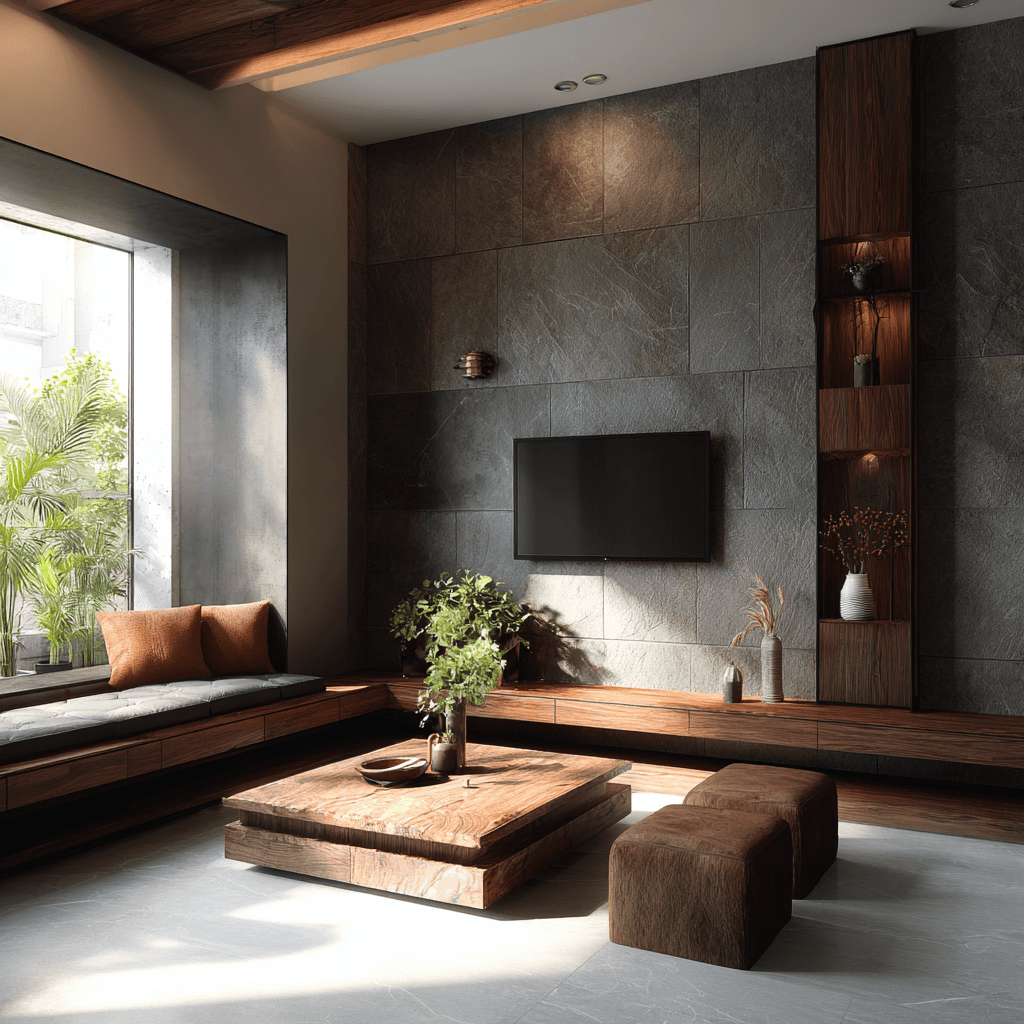
Living Room
Use statement materials such as charcoal panels, stone, or laminates.
Bedroom
Choose soft, warm options like fabric, moulding, or subtle wood.
Dining
Elegant mouldings or warm wooden panels work well.
Study
Laminate or slatted panels provide texture without distraction.
Entryway
Stone or moulding adds a refined first impression.
Common Mistakes Designers Avoid
Professionals typically avoid:
paneling every wall
mixing too many textures
using heavy panels in small rooms
ignoring lighting
copying trends without considering proportion
Paneling should enhance space, not overpower it.
Final Thoughts
Wall paneling options today are incredibly versatile.
From warm wooden textures and classic mouldings to modern laminates and soft fabrics, each material serves a different purpose.
The goal isn’t to decorate every wall.
It’s to create balance, depth, and character where it matters most.
When planned thoughtfully, paneling turns a house into a finished, layered home.
Similar Topic