Standard Wardrobe Dimensions and Space Guide
How to Guides
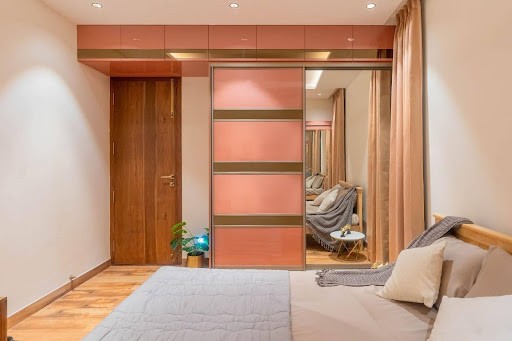





Wardrobe Size Standard Guide
Wardrobes should be planned around ergonomics and accessibility, not just appearance.
Ideal depth is 22 to 24 inches to fit hangers comfortably without wasting space.
Typical height ranges between 7 to 8 feet, with loft storage for seasonal items.
Internal sections matter more than overall size. Proper hanging, shelves, and drawers improve daily usability.
Short hanging requires 36 to 40 inches, long hanging 60 to 66 inches.
Shelf gaps of 12 to 15 inches and shallow drawers keep storage organised.
Maintain 30 to 36 inches clearance in front of the wardrobe for comfortable movement.
Dividing storage into modules works better than one large compartment.
In short:
Correct proportions make wardrobes effortless to use. Good dimensions matter more than finishes.
A wardrobe is not just a storage box placed against a wall.
It is one of the most used pieces of furniture in any bedroom. It is opened multiple times a day, accessed in low light, used in a hurry, and expected to hold everything from daily wear to seasonal storage.
Yet many wardrobes fail not because of finish or style, but because of poor proportions.
Too shallow, and clothes crumple.
Too deep, and items get lost.
Too tall, and storage becomes unreachable.
Too bulky, and the room feels cramped.
This is why understanding wardrobe size standard dimensions is essential before designing any bedroom storage.
Good wardrobe design is less about decoration and more about ergonomics, accessibility, and spatial planning.
This guide explains standard wardrobe sizes, internal planning logic, and how professionals design wardrobes that feel effortless to use every day.
Why Wardrobe Dimensions Matter More Than Style
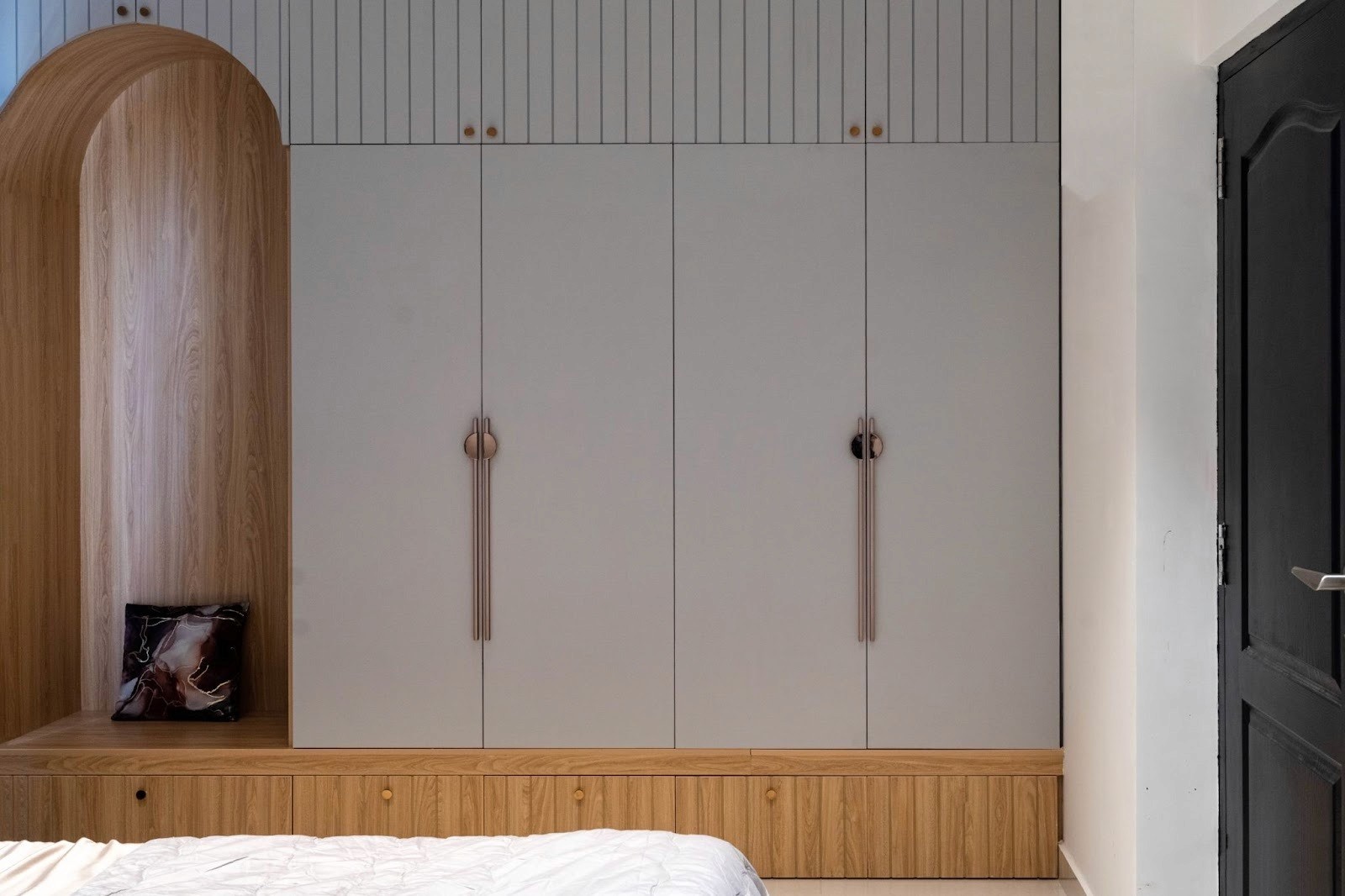
A wardrobe must:
store efficiently
allow comfortable access
maintain circulation space
feel proportionate to the room
avoid visual heaviness
If the size is wrong, even the most beautiful wardrobe becomes frustrating to use.
Correct dimensions ensure:
smooth movement
wrinkle-free clothes
easy reach
clutter-free storage
long-term comfort
In short, dimensions define usability.
Wardrobe Size Standard: Core Dimensions Designers Follow
Below are the wardrobe measurements most commonly used in residential interiors. These are not rigid rules, but proven ergonomic ranges that work comfortably for most users.
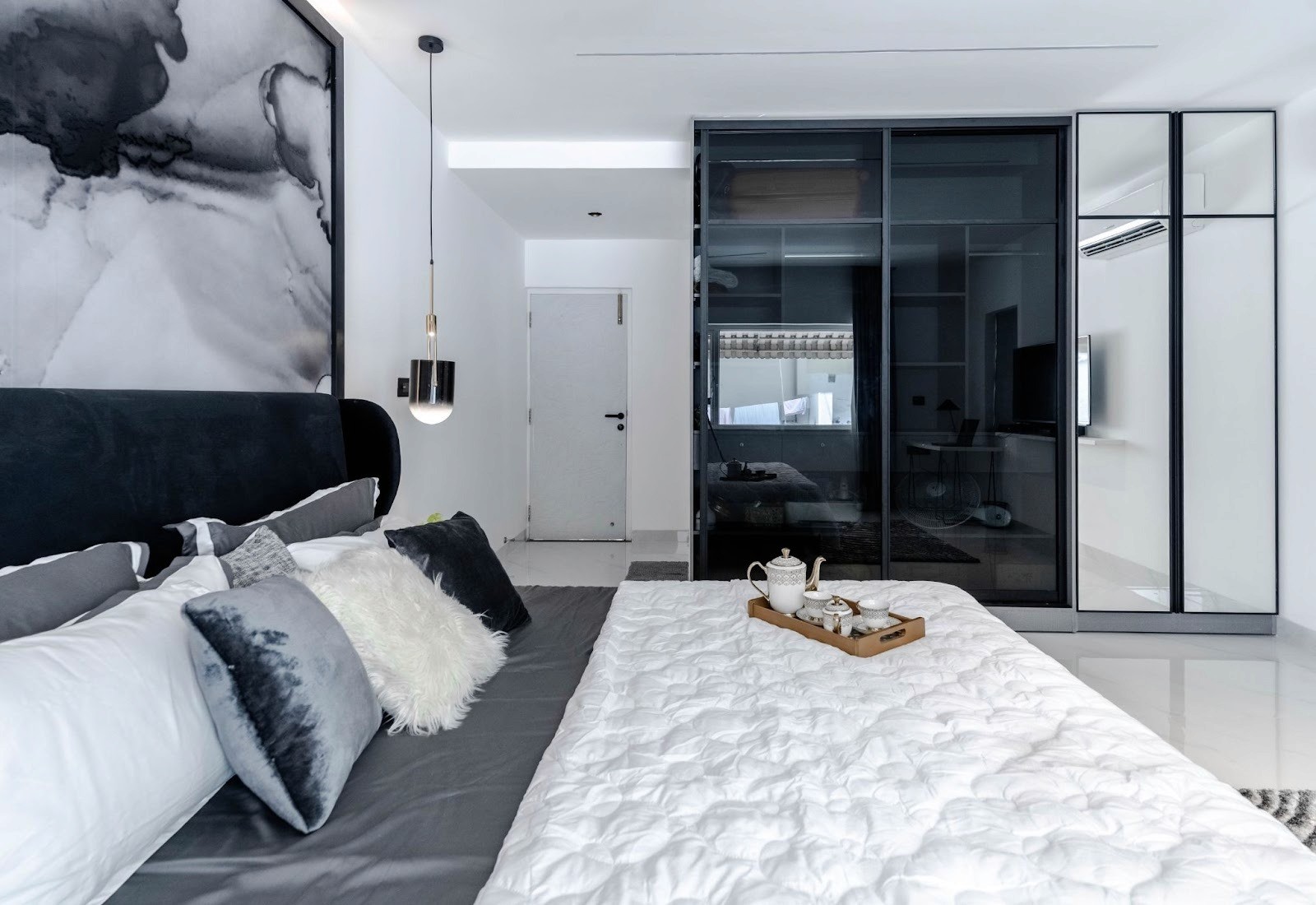
1. Standard Wardrobe Depth
Recommended depth: 22 to 24 inches
This is the most important dimension.
Why this works
fits hangers comfortably
prevents clothes from getting crushed
allows doors to close easily
avoids wasted space
Anything shallower makes hanging clothes difficult.
Anything deeper reduces visibility and accessibility.
For most bedrooms, 24 inches is considered the ideal wardrobe size standard for depth.
2. Standard Wardrobe Height
Common height: 7 to 8 feet
Height depends on ceiling level and accessibility.
Typical breakdown
daily use zone: eye to shoulder level
mid zone: folding and hanging
upper loft: seasonal storage
Designers often use:
lower section for everyday clothes
middle for primary storage
top loft for luggage or occasional items
Going too tall without planning makes storage unusable.
Good design always considers reach.
3. Standard Wardrobe Width
Width varies depending on room size and storage needs.
Common module sizes
single module: 18 to 24 inches
double module: 36 to 48 inches
full wardrobes: 5 to 8 feet or more
Instead of one large box, designers divide wardrobes into modules.
This:
improves organisation
reduces door weight
makes storage flexible
simplifies access
Multiple smaller sections function better than one oversized compartment.
Internal Wardrobe Planning Dimensions
A wardrobe works only when the inside is planned properly.
Below are the internal measurements designers rely on for everyday usability.
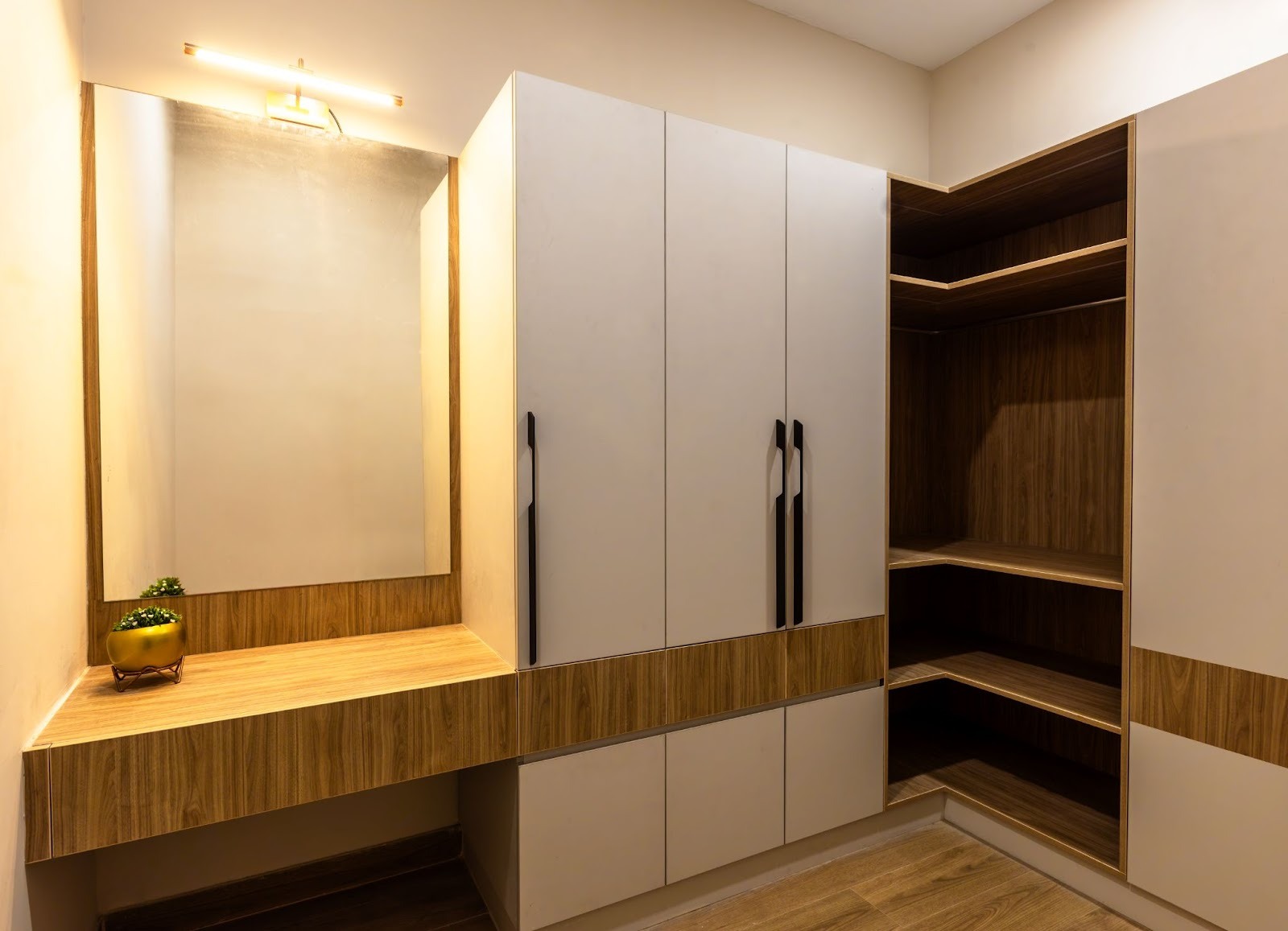
Hanging Space for Clothes
Short hanging (shirts, tops, folded trousers)
Height: 36 to 40 inches
Ideal for daily wear and compact storage.
Long hanging (sarees, dresses, coats)
Height: 60 to 66 inches
Prevents garments from touching the floor or creasing.
Double hanging
Two short sections stacked vertically save space and double storage capacity.
Perfect for smaller rooms.
Shelf Spacing
Recommended shelf gap: 12 to 15 inches
This:
allows easy stacking
prevents overfilling
improves visibility
Very tall shelves encourage messy piles.
Moderate spacing keeps things organised.
Drawer Dimensions
Height: 6 to 8 inches per drawer
Works well for:
accessories
small garments
Deeper drawers often become cluttered and hard to manage.
Multiple shallow drawers are more functional.
Loft Storage
Height: 18 to 24 inches
Best used for:
suitcases
blankets
seasonal clothing
Not for daily access.
Lofts are storage support, not primary storage.
Choosing the Right Wardrobe Type for Your Space
Dimensions also depend on wardrobe style.
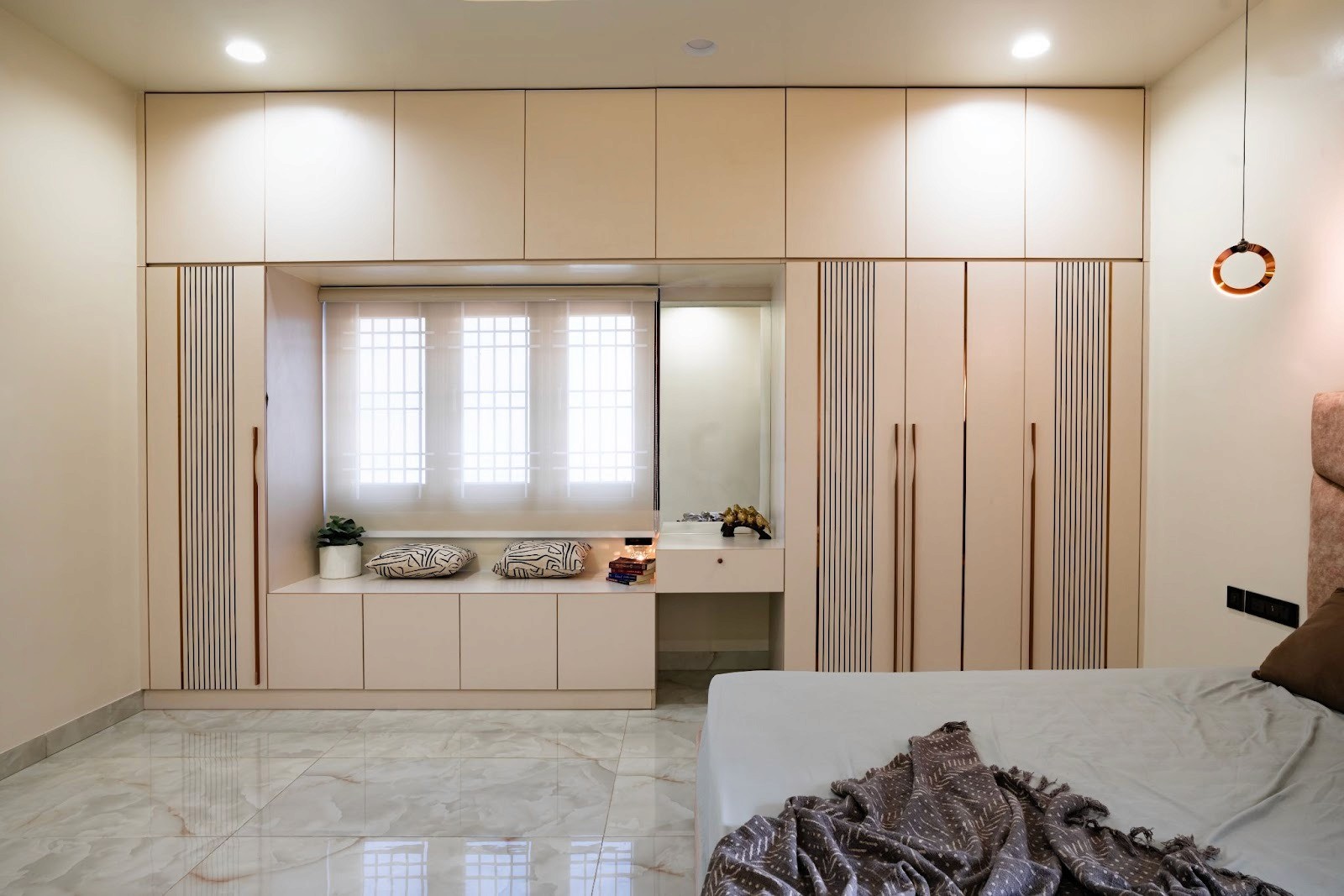
Hinged Door Wardrobes
Classic and most flexible.
Benefits
full access
easy organisation
works with most internal layouts
Space note
Requires swing space in front.
Best for medium to large bedrooms.
Sliding Door Wardrobes
Great for compact rooms.
Benefits
saves circulation space
clean, modern look
suitable for tight layouts
Design note
Internal planning must be precise since only half the wardrobe is accessible at a time.
Walk-In Wardrobes
Designed for larger homes.
Benefits
maximum storage
clear organisation
premium feel
Requires larger room footprint but offers best accessibility.
Space Planning Around the Wardrobe
Even the correct wardrobe size can fail if the surrounding space is ignored.
Designers always plan circulation.
Recommended clearance
minimum 30 to 36 inches in front of wardrobe
This allows:
door opening
dressing comfort
easy movement
Without clearance, wardrobes feel cramped regardless of design.
How Wardrobe Proportion Affects Room Feel
Wardrobes occupy large vertical surfaces.
If oversized or bulky, they can dominate the room visually.
Design strategies include:
matching wardrobe colour with walls
using light finishes in small rooms
keeping clean lines
avoiding excessive detailing
using floor-to-ceiling designs for continuity
When proportions are right, wardrobes feel built-in rather than bulky.
Common Wardrobe Planning Mistakes Designers Avoid
Experienced designers avoid:
making wardrobes too deep
overloading with shelves
ignoring hanging needs
placing drawers too low
using only one large compartment
not planning lofts
blocking circulation space
Function always comes before decoration.
Final Thoughts
Understanding wardrobe size standard dimensions is the foundation of good bedroom storage.
When depth, height, and internal sections are planned correctly, wardrobes become effortless to use.
Good wardrobes don’t draw attention.
They simply work.
And when something works seamlessly every day, that is good design.
Frequently Asked Questions
1. What is the standard wardrobe depth?
22 to 24 inches is considered ideal. It comfortably fits hangers and prevents clothes from getting crushed.
2. How tall should a wardrobe be?
Most wardrobes range between 7 and 8 feet. Upper sections or lofts are typically used for seasonal storage.
3. How much space should be left in front of a wardrobe?
A minimum of 30 to 36 inches is recommended for easy door opening and comfortable movement.
Similar Topic