Space Planning in Interior Design
How to Guides





Space Planning in Interior Design: Essential Tips and Guide for Well-Balanced Homes
Space planning is the invisible framework behind every well-designed home. While colours, finishes, and furniture are what people notice first, it is space planning that determines whether a home feels calm or chaotic, spacious or cramped, intuitive or awkward.
In professional practice, space planning interior design is not about fitting furniture into rooms. It is about understanding how people move, live, gather, rest, and retreat within a space. A beautifully styled room can still fail if the space is poorly planned. Conversely, a thoughtfully planned space can feel comfortable and elegant even with minimal décor.
This guide explores space planning from a designer’s point of view, explaining what it is, why it matters, and how it shapes functional, long-lasting interiors.
Space Planning in Interior Design
Space planning is the foundation of good interior design, shaping how a home functions and feels.
It focuses on function, movement, zoning, and proportion, not just furniture placement.
Effective space planning balances public, semi-private, and private zones to support daily routines.
Good circulation, correct furniture scale, and integrated storage prevent congestion and clutter.
Space planning is critical in both compact homes and large residences, though challenges differ.
Natural light, ventilation, and flexibility are essential to long-term comfort.
Thoughtful space planning improves usability, adaptability, and overall well-being over time.
In essence:
Space planning interior design determines whether a home feels intuitive and comfortable or restrictive and chaotic, making it the most important stage of the design process.
What Is Space Planning in Interior Design?
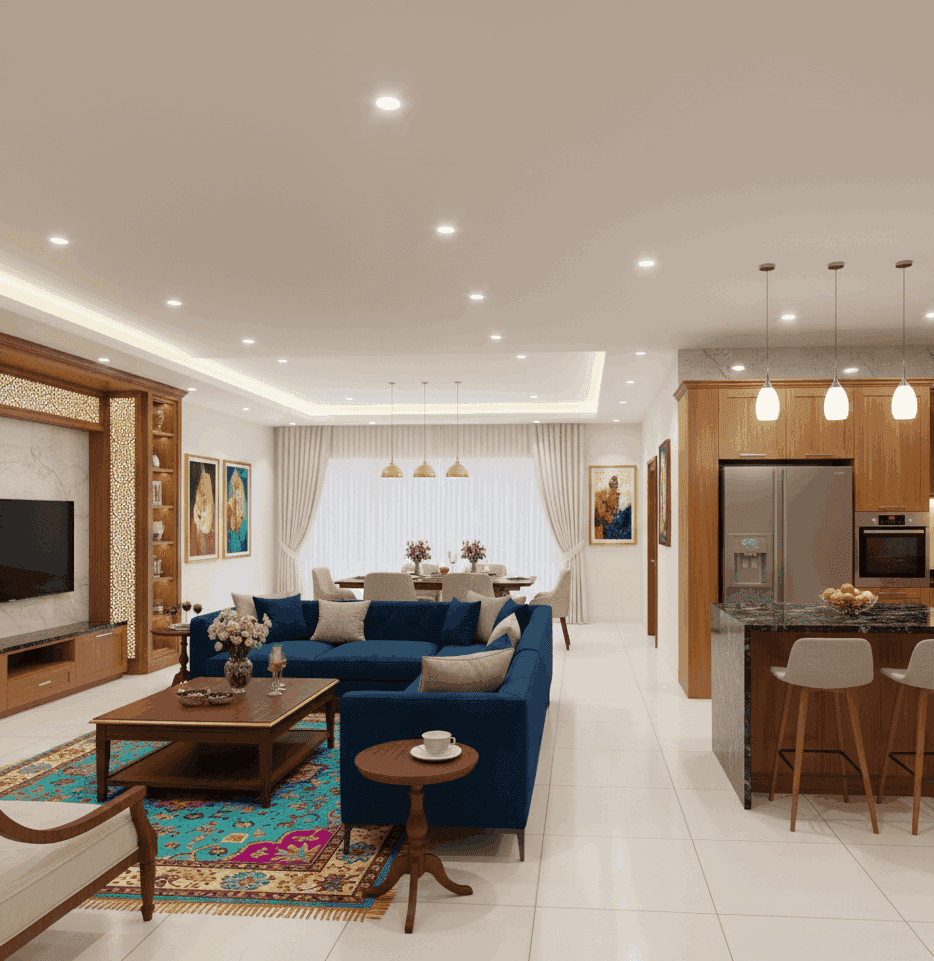
Space planning is the process of organising interior spaces to support function, movement, comfort, and visual balance. It defines how rooms relate to each other, how circulation flows, and how activities are accommodated within a given area.
In interior design, space planning involves:
Allocating functions to spaces
Determining room sizes and proportions
Planning circulation paths
Positioning furniture logically
Balancing openness and privacy
Good space planning ensures that every square foot has purpose.
Why Space Planning Is the Foundation of Good Design
Space planning comes before aesthetics. Without it, even the most expensive finishes cannot compensate for poor functionality.
Strong space planning:
Improves daily comfort
Reduces clutter and congestion
Enhances natural light and ventilation
Supports long-term adaptability
Makes homes easier to live in
This is why designers often say that space planning is design at its most fundamental level.
Understanding Human Movement and Behaviour
At its core, space planning is about people.
Designers observe:
How people enter and exit rooms
Where they pause, sit, or gather
How frequently spaces are used
Which areas need privacy and which need openness
Homes that feel effortless are designed around human behaviour, not rigid layouts.
Key Principles of Space Planning Interior Design
Function Comes First
Every space must have a clearly defined purpose. Multi-use spaces are effective only when their functions are thoughtfully layered, not forced.
Circulation Must Be Intuitive
Movement through a home should feel natural. People should not have to cross private areas to reach public spaces or navigate around furniture awkwardly.
Proportion Matters More Than Size
A well-proportioned small room feels better than a poorly proportioned large one. Balance between length, width, and height is critical.
Visual Balance Creates Comfort
Heavy furniture, solid walls, and closed storage need to be balanced with open areas, light, and breathing room.
Zoning: The Core of Space Planning
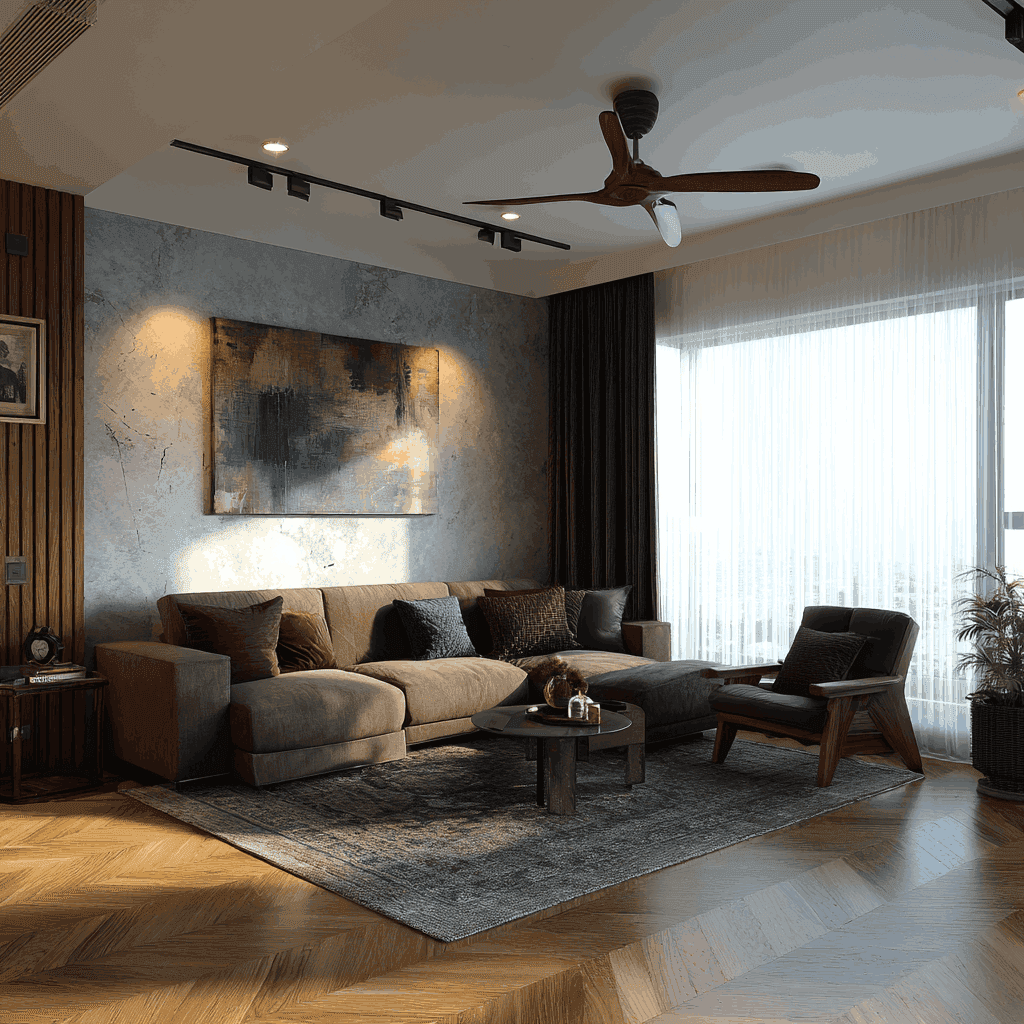
Zoning refers to dividing a home into areas based on function and privacy.
Public Zones
These include living rooms, dining areas, and entry spaces. They are designed for interaction and openness.
Semi-Private Zones
Family lounges, studies, and informal seating areas act as transition spaces between public and private areas.
Private Zones
Bedrooms, attached bathrooms, and dressing areas fall into this category. Privacy and acoustic comfort are priorities here.
Clear zoning is essential in effective space planning and interior design.
Space Planning for Living Rooms
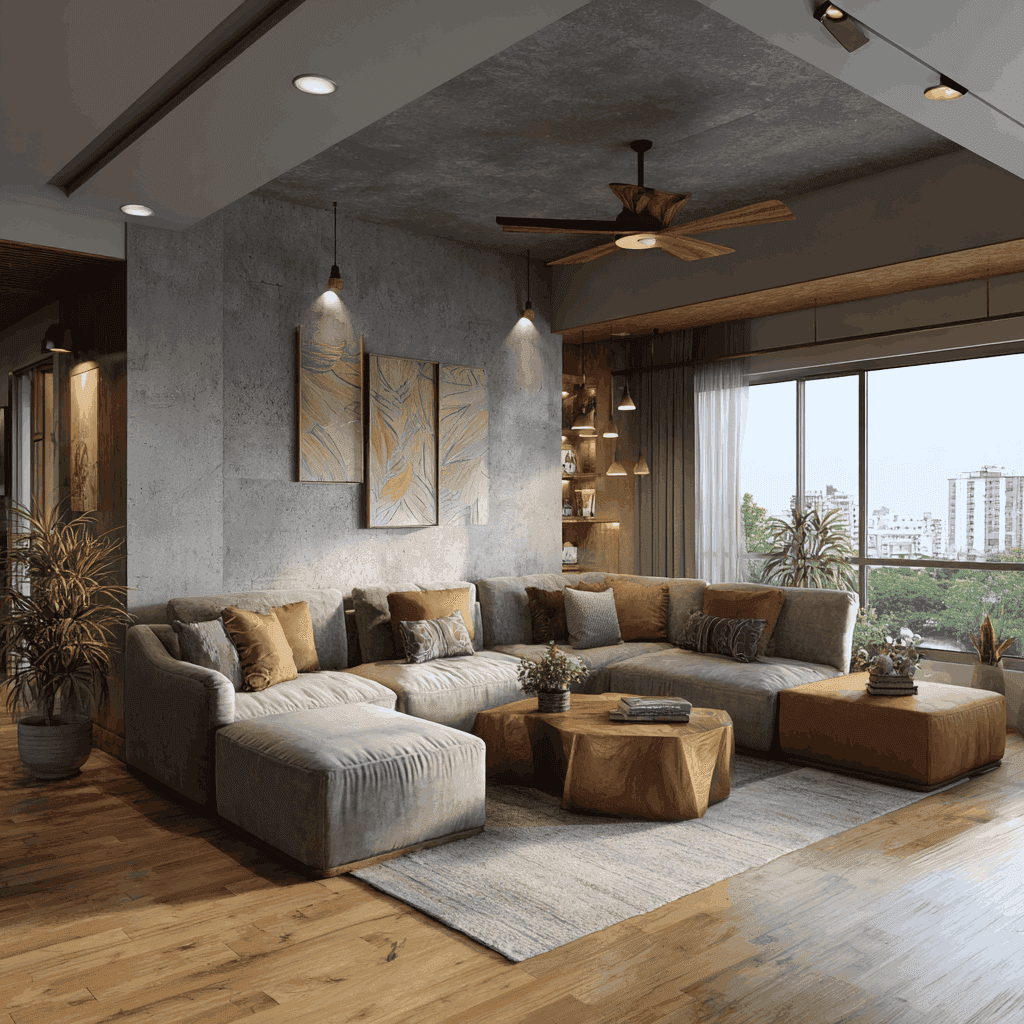
Living rooms often carry multiple roles.
Design considerations include:
Seating orientation and conversation flow
Relationship to dining or kitchen areas
Clear entry and exit paths
Balance between openness and definition
Overfilling a living room with furniture is one of the most common planning mistakes.
Space Planning for Bedrooms
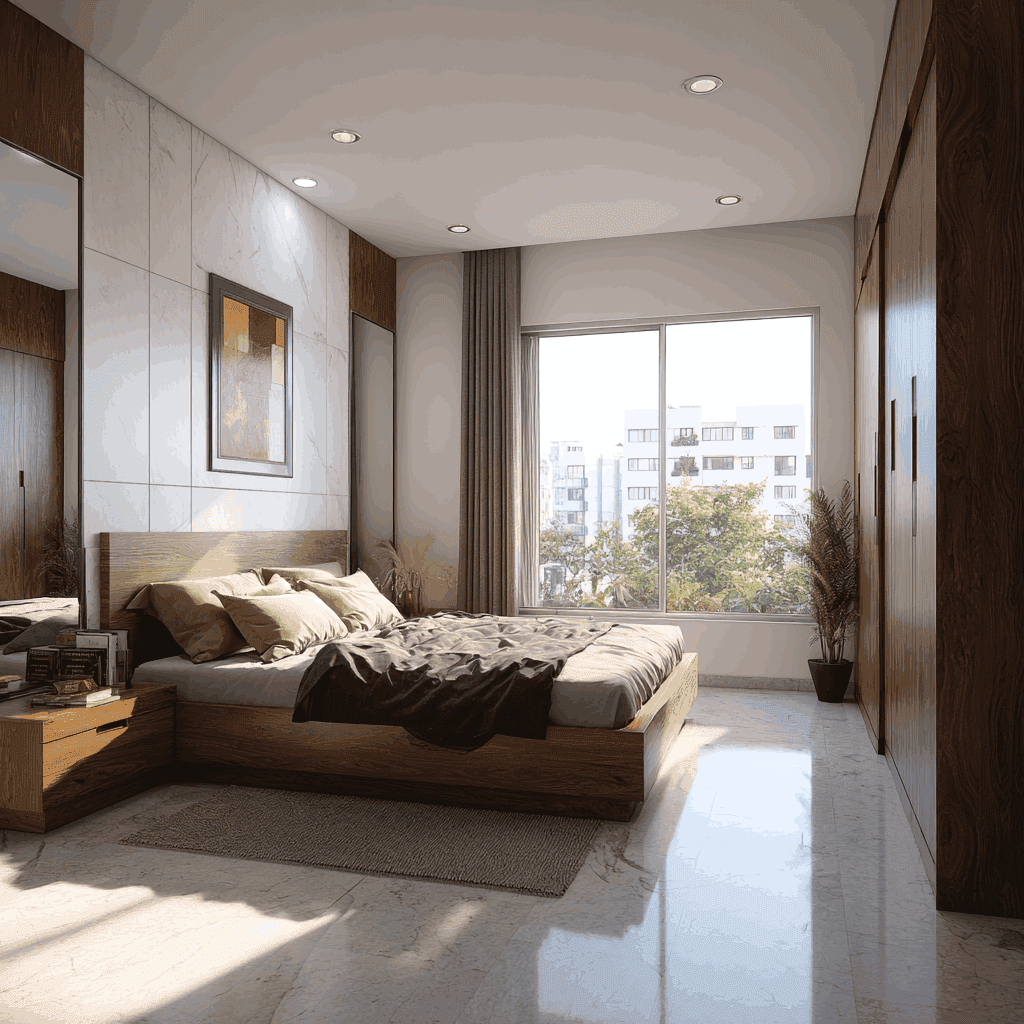
Bedrooms are personal spaces and require careful planning.
Key factors:
Bed placement and circulation around it
Wardrobe access without obstruction
Natural light without loss of privacy
Calm visual hierarchy
A well-planned bedroom prioritises rest over display.
Space Planning for Kitchens
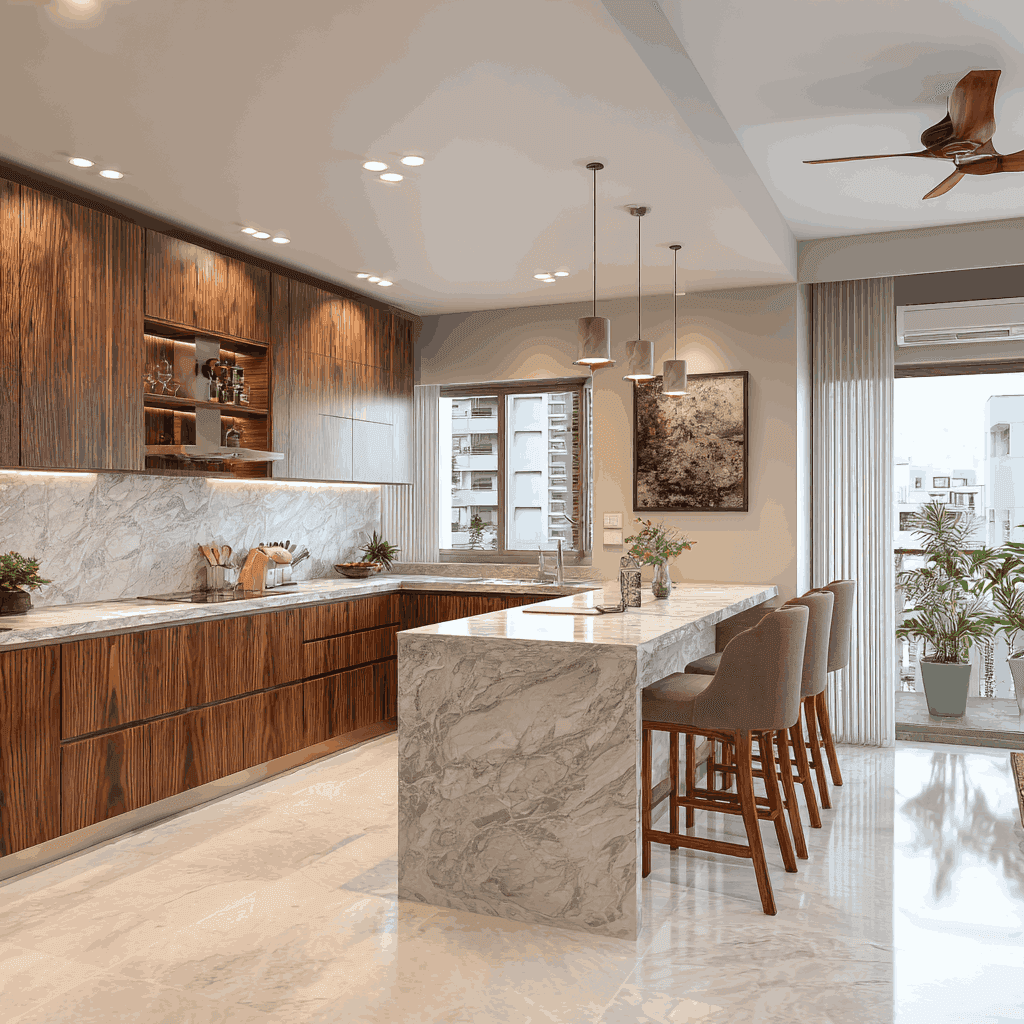
Kitchens are functional workspaces.
Design planning focuses on:
Clear work zones (preparation, cooking, cleaning)
Logical storage placement
Efficient movement paths
Relationship to dining and utility areas
Good kitchen space planning reduces effort and increases efficiency.
Dining Area Space Planning
Dining spaces should support both daily use and social gatherings.
Designers consider:
Comfortable clearance around the dining table
Proximity to kitchen
Visual connection to living spaces
Lighting alignment with table position
A cramped dining area disrupts both movement and experience.
Space Planning for Bathrooms
Bathrooms demand precision.
Key considerations:
Dry and wet zone separation
Door swing and fixture placement
Storage without clutter
Ease of movement
Even small bathrooms can feel spacious with proper planning.
Space Planning in Compact Homes
Small homes require smarter planning, not fewer functions.
Design strategies include:
Multi-functional furniture
Visual continuity across spaces
Minimal partitions
Efficient vertical storage
In compact homes, space planning is the difference between comfort and compromise.
Space Planning in Large Homes
Large homes present a different challenge.
Designers focus on:
Avoiding wasted corridors
Preventing disconnected spaces
Creating intimacy within scale
Maintaining clear wayfinding
Without thoughtful planning, large homes can feel impersonal.
Furniture Placement and Scale
Furniture should respond to the space, not dominate it.
Designers evaluate:
Furniture size relative to room dimensions
Clearance for movement
Visual weight distribution
Oversized furniture is a common cause of spatial discomfort.
Light, Ventilation and Space Planning
Light and air influence how space is perceived.
Effective space planning:
Aligns seating and activity zones with windows
Avoids blocking natural light paths
Encourages cross-ventilation
A well-lit space always feels more generous.
Storage Planning as Part of Space Planning
Storage is not an afterthought.
Design-led storage planning:
Integrates storage into walls
Keeps frequently used items accessible
Hides clutter without shrinking space
Poor storage planning leads to visual chaos.
Flexibility and Future-Proofing
Homes evolve over time.
Good space planning:
Allows rooms to change function
Avoids overly rigid layouts
Supports lifestyle changes
Flexibility is a sign of mature design.
Common Space Planning Mistakes Designers Avoid
Experienced designers avoid:
Treating rooms in isolation
Ignoring circulation paths
Over-partitioning spaces
Prioritising furniture before layout
Designing for trends instead of living
Mistakes in space planning are hard to fix later.
Space Planning in Indian Homes
Indian homes often involve:
Multi-generational living
Frequent guests
Cultural activity zones
Space planning must respect these patterns while supporting modern lifestyles.
How Designers Approach Space Planning
Designers begin with:
Lifestyle understanding
Daily routine mapping
Zoning diagrams
Iterative layout testing
Space planning interior design is a process, not a one-step decision.
Why Space Planning Determines Long-Term Satisfaction
Homes are lived in, not just looked at.
Good space planning:
Reduces daily friction
Improves comfort
Enhances emotional well-being
Ages well over time
This is why space planning is considered the most important stage of interior design.
Final Thoughts on Space Planning in Interior Design
Space planning is the quiet discipline behind great interiors. It does not demand attention, but it shapes every experience within a home.
A thoughtfully planned space feels intuitive, balanced, and supportive of daily life. It allows interiors to breathe, people to move comfortably, and homes to evolve gracefully.
At Tint Tone and Shade, space planning interior design is approached as a strategic foundation, ensuring that every home we design functions beautifully long before finishes are chosen.
Frequently Asked Questions on Space Planning in Interior Design
1. What is space planning in interior design?
Space planning is the process of organising interior spaces to support functionality, comfort, movement, and visual balance. It determines how rooms are sized, connected, and used.
2. Why is space planning important before choosing finishes?
Because finishes cannot fix poor layouts. Good space planning ensures that rooms function well, circulation feels natural, and spaces remain comfortable regardless of décor choices.
3. Is space planning only important for small homes?
No. While compact homes need efficient planning, large homes also require strong space planning to avoid wasted areas, long corridors, and disconnected rooms.
4. How does space planning affect daily living?
Well-planned spaces reduce effort, improve comfort, and support natural movement patterns. Poor planning often leads to congestion, awkward furniture placement, and underused areas.
5. What is zoning in space planning?
Zoning refers to dividing a home into public, semi-private, and private areas. This helps manage privacy, noise, and circulation effectively.
6. Can space planning help make a home feel bigger?
Yes. Proper proportions, clear circulation paths, visual openness, and efficient storage can make even small homes feel spacious and balanced.
7. How does furniture placement relate to space planning?
Furniture placement is part of space planning. Furniture should support movement and function, not block circulation or overwhelm the room.
8. Is space planning different for Indian homes?
Indian homes often require planning for multi-generational living, frequent guests, and cultural activities. Space planning must respond to these lifestyle patterns.
9. Can space planning allow rooms to change function over time?
Yes. Flexible layouts and neutral zoning allow rooms to evolve into home offices, guest rooms, or hobby spaces as needs change.
10. When should space planning be done in a project?
Space planning should be done before finalising furniture, finishes, or décor. It is the first and most critical design step.
Similar Topic