West Facing House Vastu
Tips



West Facing House Vastu: Essential Tips and Guidelines for Indian Homes
West-facing houses often sit in a grey area within vastu discussions. They are neither praised as openly as north-facing homes nor criticised as strongly as south-facing ones. This ambiguity has led to confusion among homeowners, many of whom are unsure whether a west-facing house supports comfort, stability, and growth.
From an architectural and interior design perspective, a west facing house vastu plan is not about avoiding the west direction. It is about understanding its qualities and responding to them through intelligent spatial planning. When designed thoughtfully, west-facing homes can feel balanced, grounded, and deeply comfortable.
This guide explains west facing house vastu in detail, focusing on entrance placement, room zoning, light management, and interior planning that aligns vastu principles with modern Indian living.
West Face House Vastu
A west-facing house is not inauspicious. Its success depends on thoughtful planning and balance.
The main entrance works best in the north-west zone of the west wall.
Living rooms are ideally placed in the north, east, or north-east to keep spaces light and active.
The kitchen performs best in the south-east (east as a secondary option).
The master bedroom should be in the south-west for stability and restful sleep.
Children’s and guest bedrooms work well in the west or north-west zones.
Pooja rooms should always be placed in the north-east or east, regardless of house orientation.
Bathrooms and toilets are best located in the west or north-west and avoided in the north-east or centre.
West-facing homes should have heavier zones towards the west and south, with lighter, open spaces towards the north and east.
Afternoon heat and glare must be managed through controlled window placement, shading, and ventilation.
Modern west-facing homes can follow vastu without compromising design or functionality.
Bottom line:
A well-planned west-facing home feels grounded, stable, and comfortable when vastu principles are applied through intelligent layout, light control, and spatial balance rather than fear-based rules.
Understanding West-Facing Houses in Vastu
A house is considered west-facing when the main entrance opens towards the west direction. In vastu philosophy, the west is associated with:
Stability and maturity
Completion and closure
The element of water in its settling form
Patience, endurance, and long-term outcomes
Unlike directions associated with rapid growth or expansion, the west represents consolidation and steadiness. Homes facing this direction often benefit families who value routine, structure, and long-term security.
However, because the west receives strong afternoon sunlight, west-facing houses require careful planning to balance heat, light, and energy flow.
Common Misconceptions About West-Facing Houses
West-facing homes are sometimes viewed with hesitation because of partial vastu interpretations.
Common misconceptions include:
West-facing houses lead to stagnation
Progress is slower in west-facing homes
West-facing entrances are inauspicious
In reality, vastu does not label west-facing homes as negative. It emphasises control, balance, and proportion. When these elements are respected, west-facing houses can be extremely stable and supportive.
Core Principle of West Face House Vastu
The most important principle in west facing house vastu is managing intensity and grounding energy.
West-facing homes perform best when:
The entrance is carefully zoned
Heavier functions are placed towards the west and south-west
The north and east are kept lighter and more open
Heat and glare are moderated through design
Vastu here works hand in hand with environmental design.
Main Entrance Vastu for West-Facing Houses
The entrance is the primary energy gateway and deserves the most attention.
Ideal Entrance Placement
For west-facing houses, the north-west portion of the west wall is considered more suitable for the main entrance.
This placement:
Allows smoother energy flow
Avoids excessive heaviness
Supports balanced circulation
Entrance Zones to Avoid
The exact south-west portion of the west wall is traditionally avoided for entrances, as it can create excessive weight and inertia if not balanced properly.
Entrance Design Considerations
The door should feel solid and proportionate
Avoid overly light or fragile-looking doors
Good shading and lighting are essential to manage afternoon sun
An entrance that feels controlled rather than exposed sets the tone for the entire home.
Living Room Vastu for West-Facing Houses
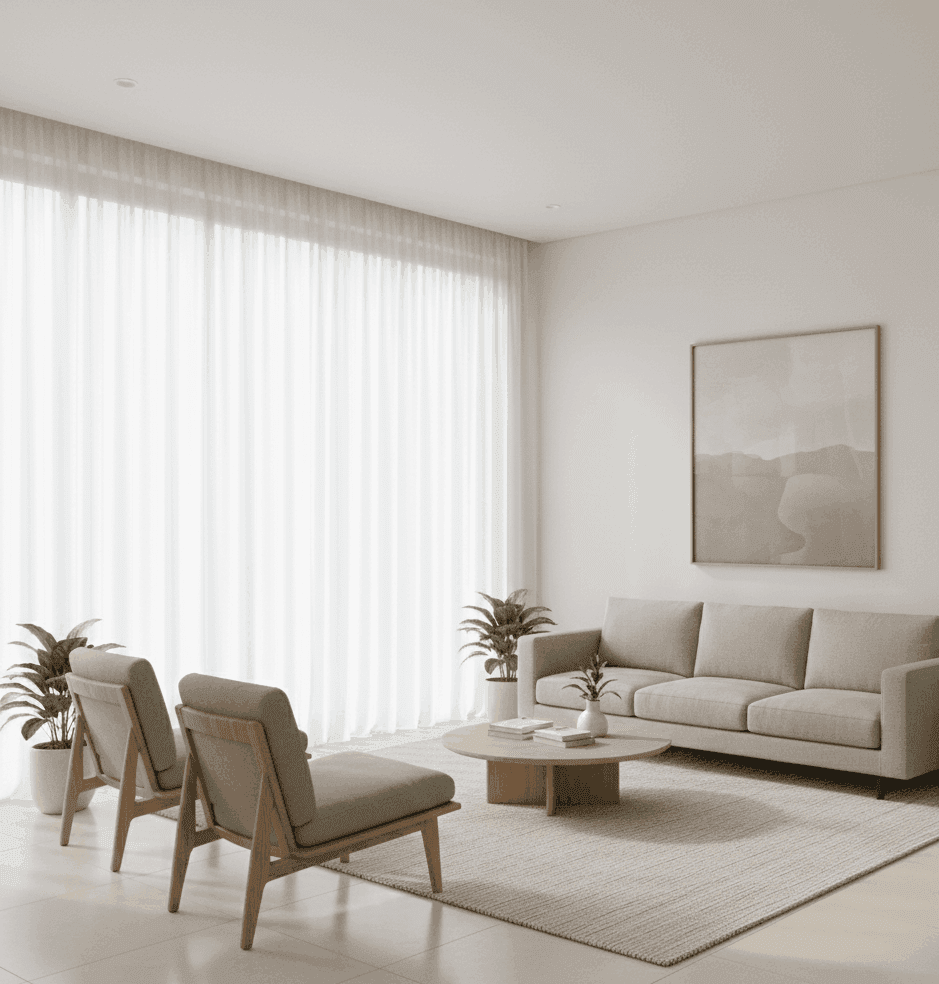
The living room acts as the transition space between external and internal energies.
Ideal Placement
North or east zones are preferred
North-east also works well when available
These zones allow the living space to remain light and socially active.
Furniture Arrangement
Heavier seating towards west or south walls
Open circulation towards north and east
Design Guidance
Avoid blocking eastern or northern windows
Use layered lighting to soften west-facing glare
A well-planned living room offsets the intensity of the west direction.
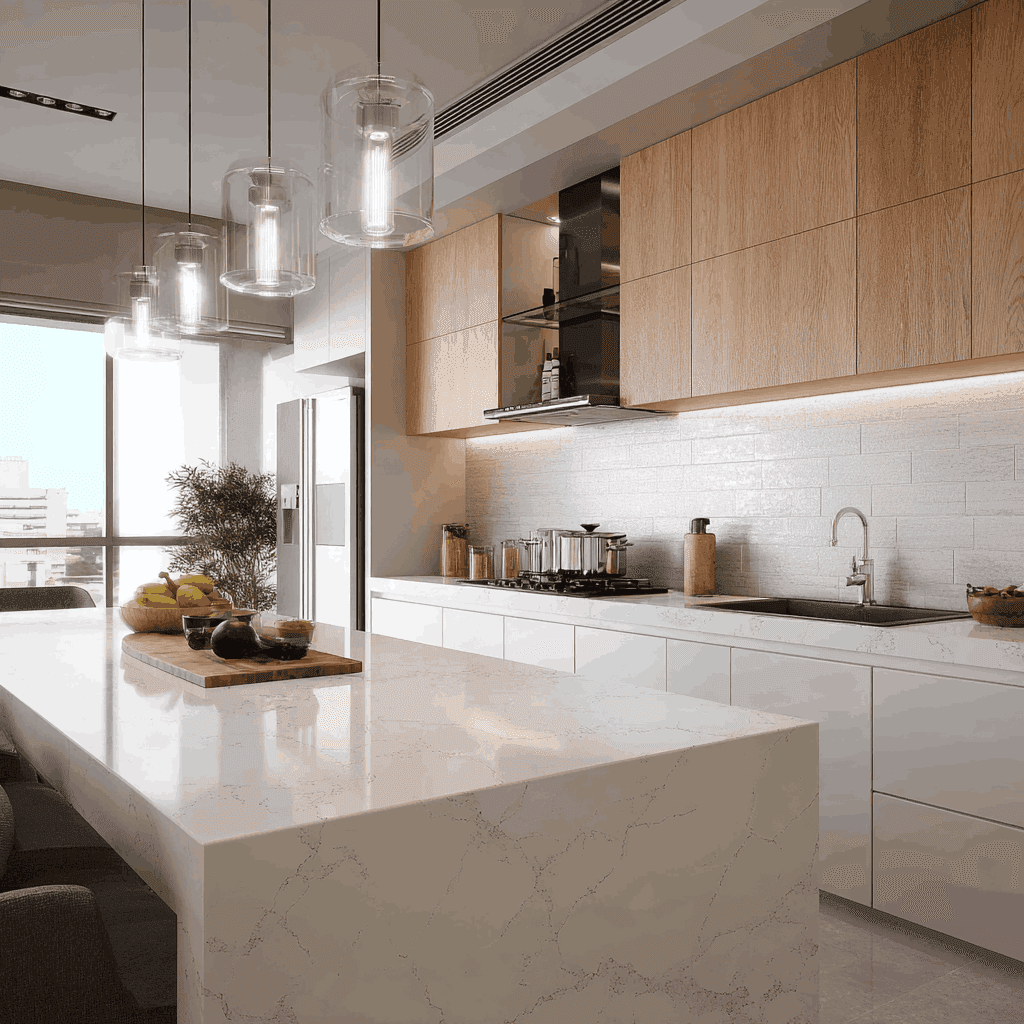
Kitchen Vastu for West-Facing Houses
The kitchen represents fire and activity.
Best Kitchen Zones
South-east is ideal
East is a strong secondary option
Zones to Avoid
North-east
South-west
Cooking Orientation
The cook should ideally face east while cooking, which helps balance fire energy.
Correct kitchen placement is crucial for maintaining harmony in west-facing homes.
Bedroom Vastu for West-Facing Houses
Bedrooms benefit from the grounding nature of the west when planned correctly.
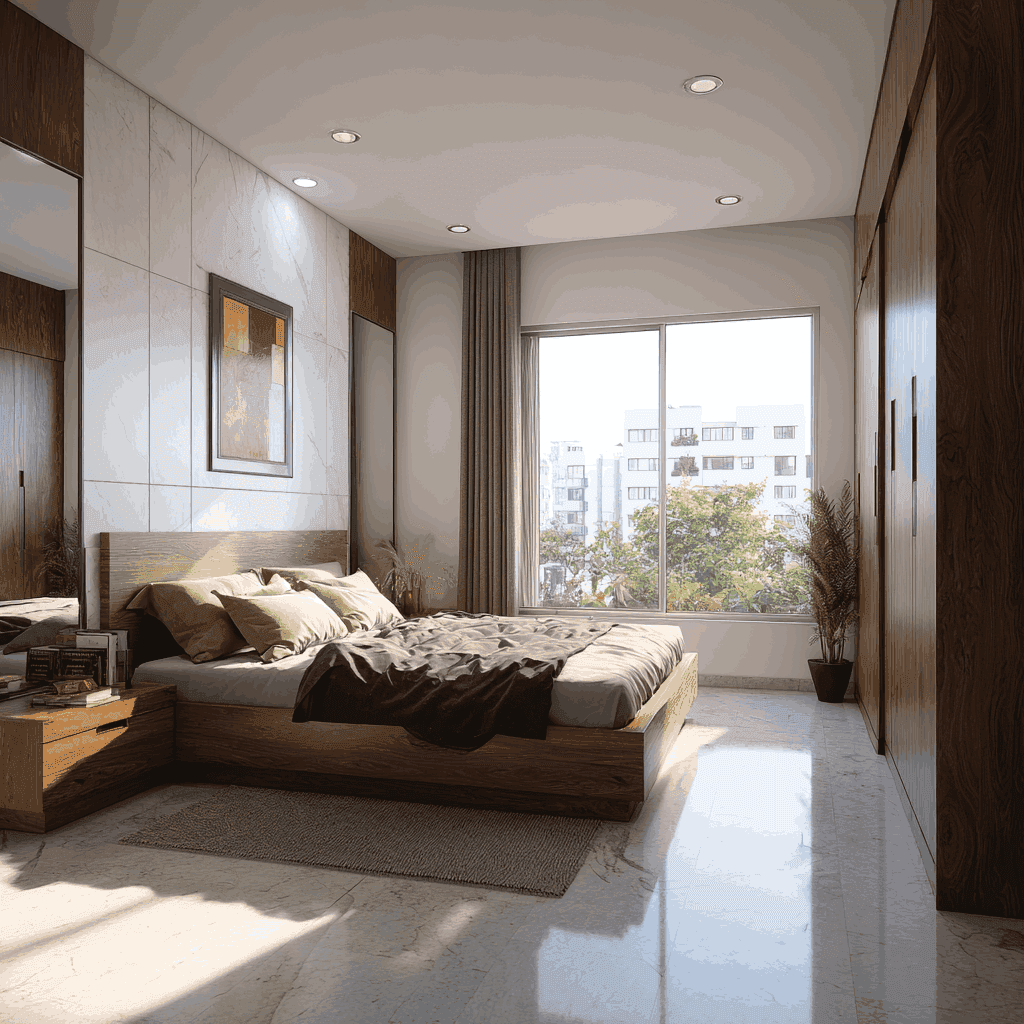
Master Bedroom
South-west is the most suitable zone
Supports stability, authority, and rest
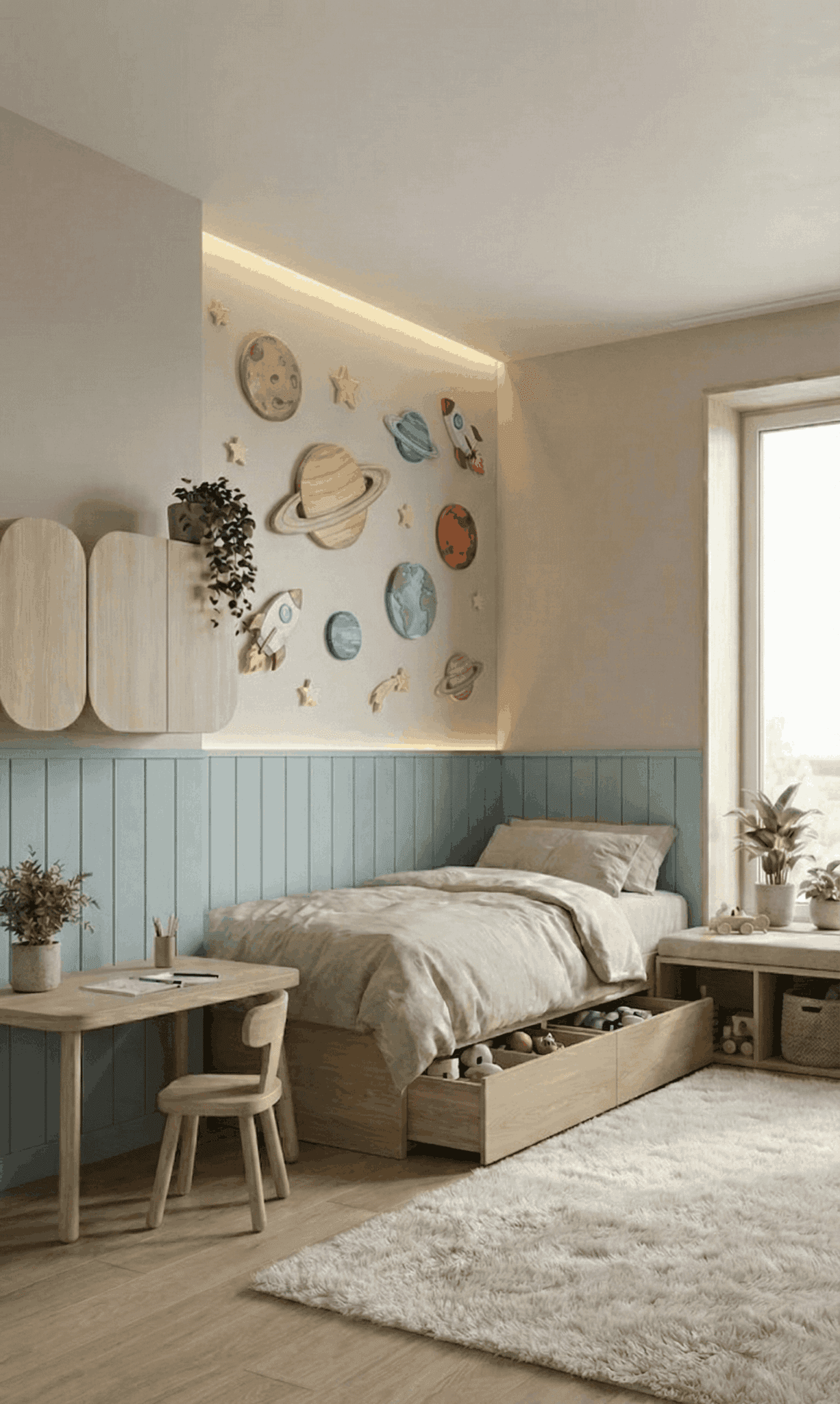
Children’s Bedrooms
West or north-west zones work well
Guest Bedrooms
North-west is preferred
Sleeping Direction
Sleeping with the head towards the south or west is commonly recommended in vastu.
Pooja Room Vastu for West-Facing Houses
The pooja room should always occupy a zone of clarity and calm.
Ideal Placement
North-east is the most auspicious
East is the next preference
Design Guidance
Keep the space light and uncluttered
Avoid proximity to toilets or staircases
Even in west-facing homes, the north-east remains energetically significant.
Bathroom and Toilet Vastu in West-Facing Houses
Bathrooms must be planned with care due to their draining nature.
Suitable Zones
West
North-west
Zones to Avoid
North-east
Centre of the house
Ventilation and cleanliness are essential to prevent energy stagnation.
Staircase Vastu for West-Facing Houses
Staircases represent weight and vertical movement.
Best Zones
West
South-west
South
Zones to Avoid
North-east
Centre of the house
The staircase should feel solid, not visually dominant.
Plot Shape, Slope, and Levels
In west face house vastu, land form strongly influences energy balance.
Ideal Plot Shape
Square or rectangular
Level and Slope Guidelines
Slightly higher in the west and south
Lower towards north and east
This supports natural drainage and energy flow.
Windows, Light, and Ventilation Strategy
West-facing homes receive strong afternoon sun.
Design Strategy
Limit large openings in the west
Use shaded or recessed windows
Larger windows in north and east
Ensure good cross-ventilation
Light control is essential for comfort and vastu balance.
Colour and Material Approach for West-Facing Houses
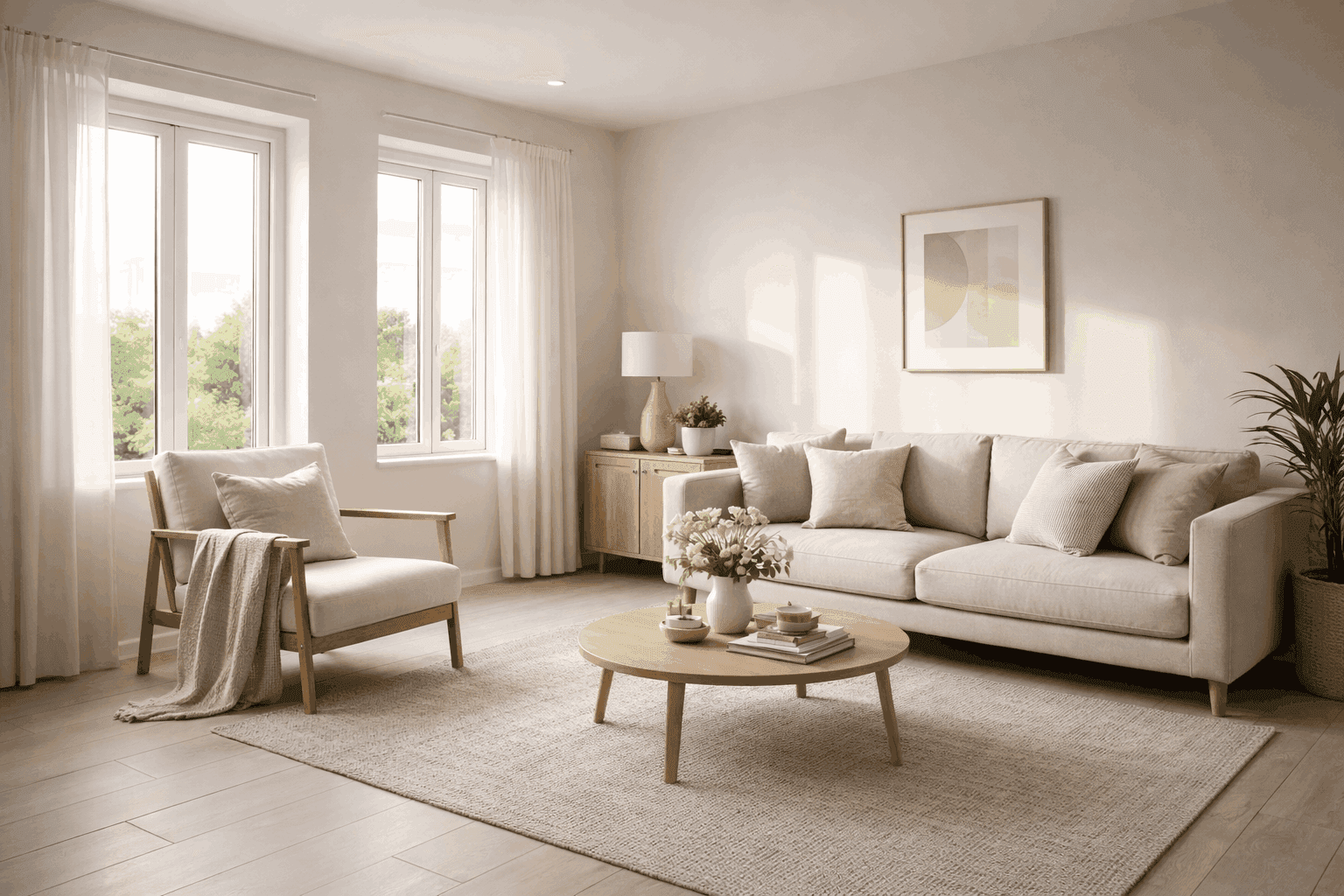
Colour influences perception and mood.
Recommended Colour Families
Warm neutrals
Soft earthy tones
Muted yellows and creams
Colours to Use Carefully
Excessively dark or heavy tones in the west
Very cool greys that amplify heat perception
Colours should support grounding without heaviness.
West-Facing Apartments and Flats
In apartments, vastu application focuses on:
Main door orientation
Internal zoning
Furniture placement
Maintaining openness in the north-east
Structural limitations can be balanced through intelligent interior planning.
Common Vastu Mistakes in West-Facing Houses
Experienced designers avoid:
Placing entrances without zoning logic
Blocking north or east with heavy storage
Overexposing west walls to sunlight
Treating vastu as decoration instead of planning
Most vastu issues arise from layout decisions, not direction.
Integrating Vastu with Modern Interior Design
Modern homes can align with west facing house vastu through:
Clear functional zoning
Balanced proportions
Light and ventilation management
Thoughtful furniture layouts
Vastu and contemporary design are not opposing systems.
Myths Around West-Facing Houses
Some myths include:
West-facing houses delay success
They are unsuitable for families
In reality, west-facing homes often support long-term stability and resilience when planned well.
Final Thoughts on West Face House Vastu
A west-facing house is neither a compromise nor a disadvantage. It is a condition that demands thoughtful design.
When planned with care, west facing house vastu creates homes that feel grounded, calm, and enduring. Stability, when supported by good planning, becomes strength.
As interior designers and architects, we view vastu not as a rigid rulebook, but as a spatial intelligence system that works best when integrated with light, layout, and lifestyle.
At Tint Tone and Shade, we approach west-facing homes with clarity and confidence, creating interiors that are both vastu-aligned and deeply livable.
Frequently Asked Questions on West Face House Vastu
1. Is a west-facing house good or bad as per vastu?
A west-facing house is neither good nor bad by default. Vastu evaluates how spaces are planned within the house. With correct entrance placement, balanced zoning, and proper light management, west-facing homes can be stable, comfortable, and supportive for long-term living.
2. Why do west-facing houses need special planning?
West-facing houses receive strong afternoon sunlight and carry grounding energy. Without thoughtful planning, this can lead to heat buildup or heaviness. Proper zoning, controlled openings, and balanced layouts help regulate these factors effectively.
3. Which entrance is best for a west-facing house?
The north-west portion of the west wall is generally considered the most suitable location for the main entrance. This placement helps balance energy flow and avoids excessive heaviness associated with the south-west.
4. Can a west-facing house bring prosperity?
Yes. West-facing homes are often associated with stability, maturity, and sustained success rather than rapid growth. When planned well, they support long-term financial and emotional security.
5. Where should the living room be in a west-facing house?
Living rooms work best in the north, east, or north-east zones. These areas remain lighter and more active, helping balance the heavier nature of the west direction.
6. Is it okay to have a kitchen in a west-facing house?
Yes, but placement is important. The south-east zone is ideal for kitchens, with the east as a suitable alternative. Kitchens should generally be avoided in the north-east or south-west.
7. Where should the master bedroom be in a west-facing house?
The south-west zone is considered the best location for the master bedroom. This area supports stability, authority, and restful sleep.
8. Are west-facing houses suitable for families?
Yes. West-facing homes often suit families who value routine, structure, and long-term comfort. With good planning, they can feel calm, secure, and nurturing.
9. Can a pooja room be placed in a west-facing house?
Yes. The north-east zone remains the most auspicious location for a pooja room, regardless of house orientation. The east zone is also acceptable.
10. Where should bathrooms and toilets be placed?
Bathrooms and toilets are best placed in the west or north-west zones. They should be avoided in the north-east or centre of the house to maintain balance.
11. Are west-facing houses hotter than others?
They can receive stronger afternoon sun, but this is a design consideration rather than a vastu flaw. Proper window placement, shading, ventilation, and interior planning help manage heat effectively.
12. Can apartments follow west face house vastu?
Yes. In apartments, vastu focuses more on the main door direction, internal zoning, and furniture placement. Even with fixed structures, balance can be achieved through interior planning.
13. Do west-facing houses require vastu remedies?
In most cases, no. Good layout planning, light control, ventilation, and clutter-free interiors are more effective than remedies. Vastu works best when integrated through design.
14. Is vastu more important than comfort and functionality?
No. Vastu should support daily life, not restrict it. The most successful homes balance vastu principles with comfort, usability, and modern lifestyle needs.
Similar Topic