Kitchen Remodel Cost Guide for 2026
How to Guides
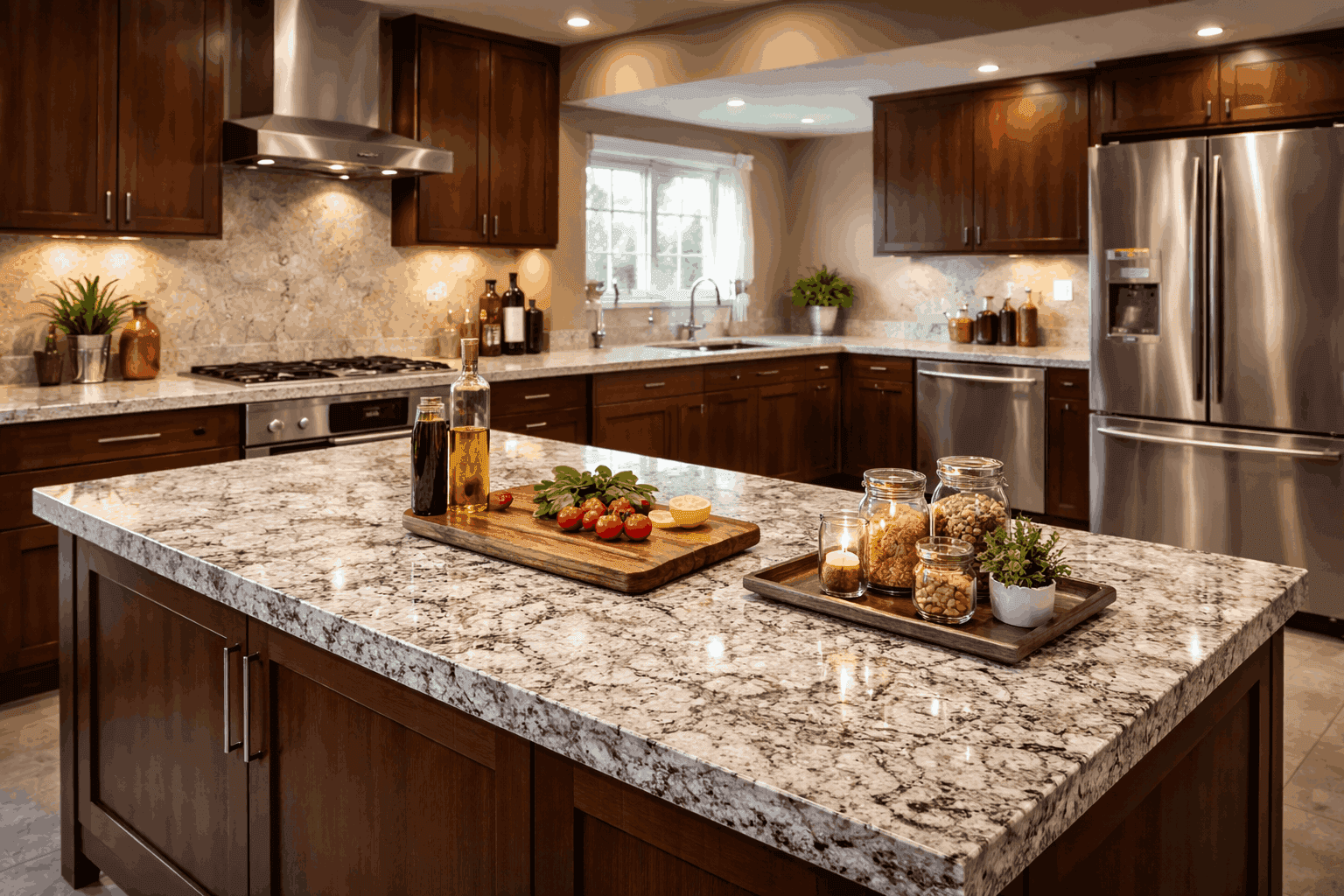





Kitchen Remodel Cost Guide for 2026: What Truly Shapes Your Budget
Planning a kitchen remodel often begins with one pressing question: how much will it cost? While the phrase kitchen remodel cost suggests numbers, experienced designers know that cost is not a fixed figure. It is the outcome of dozens of interconnected decisions related to layout, materials, functionality, and long-term performance.
In 2026, kitchen remodelling is less about cosmetic upgrades and more about intentional redesign. Homeowners are prioritising efficiency, durability, and lifestyle alignment over surface-level changes. As a result, understanding what influences kitchen remodel cost has become far more valuable than chasing ballpark estimates.
This guide breaks down the real factors that shape kitchen remodel cost, helping you plan intelligently, avoid surprises, and make decisions that align with both your home and how you live.
Kitchen Remodel Cost Guide for 2026
Kitchen remodel cost is shaped by design decisions, not fixed numbers.
The scope of the remodel matters most. Functional changes impact planning more than cosmetic updates.
Layout changes significantly influence complexity, while retaining the existing layout offers greater control.
Cabinetry and storage planning form the backbone of a kitchen remodel and strongly affect outcomes.
Shutters, countertops, and backsplashes should be selected as part of a cohesive design language, not in isolation.
Lighting, ventilation, and plumbing planning play a critical role in long-term comfort and performance.
Kitchen size does not determine remodel complexity. Design density does.
Open kitchens require stronger visual coordination, while closed kitchens prioritise function.
Thoughtful planning focused on long-term usability delivers better value than short-term decisions.
In essence:
Kitchen remodel cost is best understood as the result of intentional planning, layout efficiency, and design clarity, rather than a single figure.
Why Kitchen Remodel Cost Is Not a Single Number
Unlike standalone furniture or appliances, a kitchen remodel is a system-wide intervention. Every choice affects another. Changing one element often requires adjustments elsewhere.
Kitchen remodel cost is influenced by:
Existing layout and structural constraints
Level of redesign involved
Material and finish selection
Functional upgrades
Customisation versus standardisation
Long-term performance expectations
This is why two kitchens of the same size can have very different remodel outcomes, even if they appear similar at first glance.
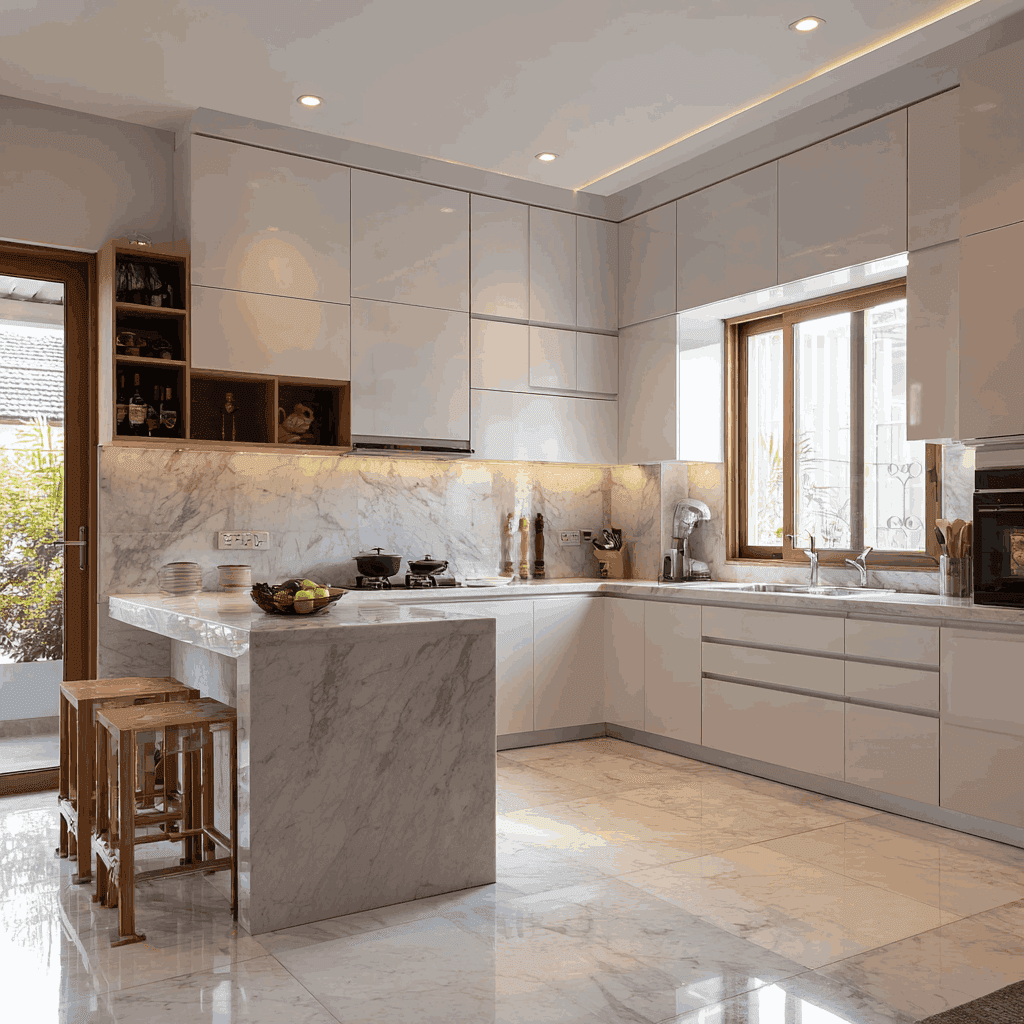
The Starting Point: Scope of the Kitchen Remodel
The most important factor influencing kitchen remodel cost is scope.
Cosmetic Refresh vs Functional Remodel
A cosmetic refresh focuses on surface-level changes such as finishes, colours, and visible elements. A functional remodel rethinks how the kitchen works.
Functional remodels often involve:
Reconfiguring layout
Improving storage logic
Enhancing workflow efficiency
Upgrading ventilation and lighting design
The broader the scope, the more interconnected decisions come into play.
Layout Changes and Their Impact on Cost
Retaining the Existing Layout
Keeping the existing kitchen layout generally allows for more controlled planning. Plumbing points, ventilation zones, and electrical routing remain largely unchanged.
This approach is often chosen when:
The current layout functions well
Structural constraints limit movement
The goal is refinement rather than reinvention
Reworking the Kitchen Layout
Changing the layout significantly alters kitchen remodel cost dynamics.
Layout changes may involve:
Moving the sink, hob, or utility zones
Introducing an island or breakfast counter
Reorienting circulation paths
Each shift has a cascading effect on design coordination and execution complexity.
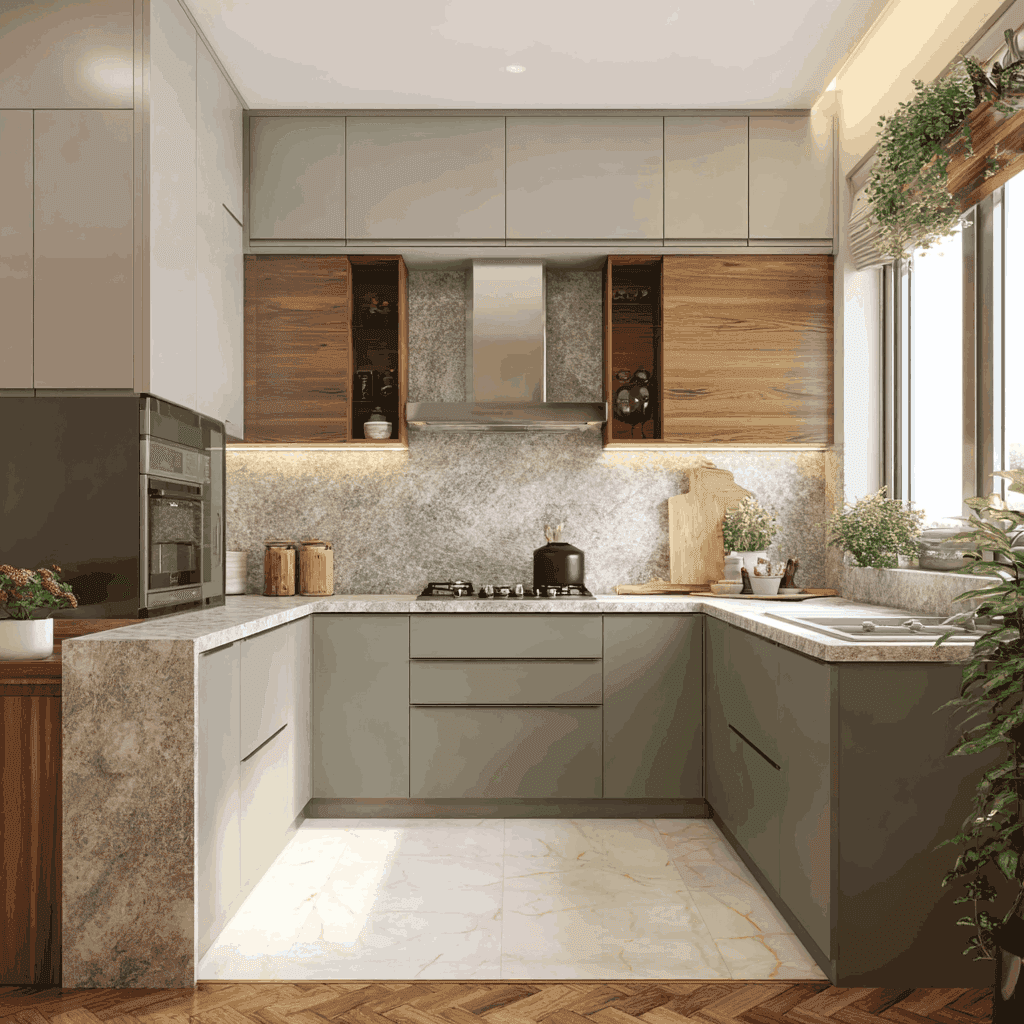
Cabinetry: The Backbone of Kitchen Remodel Cost
Cabinetry forms the largest visual and functional component of a kitchen.
Cabinet Configuration
The number of cabinets, their internal organisation, and how they are distributed across the kitchen directly influence planning complexity.
Design-led kitchens prioritise:
Vertical storage efficiency
Clear zoning between dry, wet, and cooking areas
Ease of access over sheer volume
Degree of Customisation
Highly customised cabinetry allows the kitchen to respond precisely to the home and user. However, customisation increases design time, coordination, and detailing.
Standardised layouts with thoughtful detailing can often achieve similar outcomes with greater predictability.
Shutters and Visible Finishes
While cabinets form the structure, shutters define the personality of the kitchen.
Shutter choices influence kitchen remodel cost through:
Finish complexity
Visual consistency requirements
Long-term durability expectations
Designers often guide clients to focus on timeless finishes rather than trend-driven ones to avoid frequent future updates.
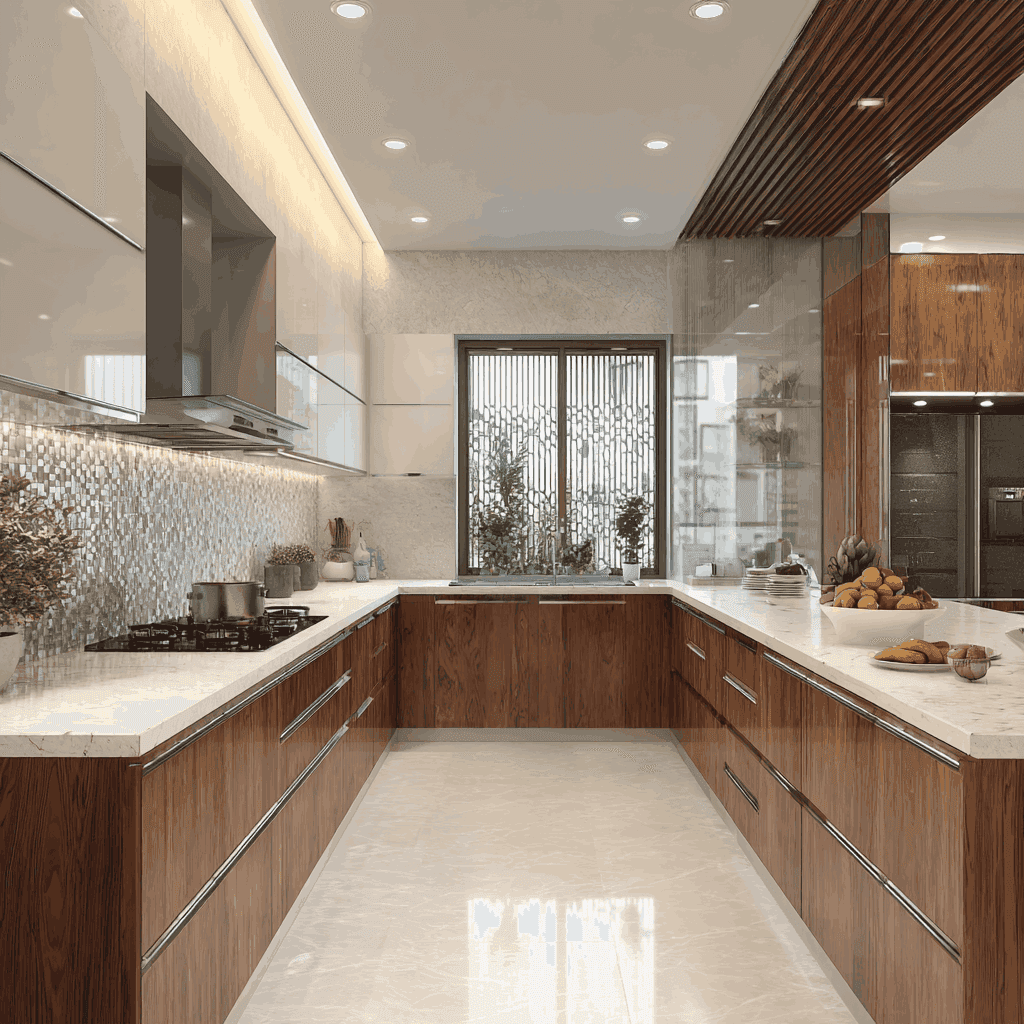
Countertops and Work Surfaces
Countertops are integral to both the functionality and visual appeal of a space.
Factors that affect planning include:
Size and continuity of counters
Presence of islands or peninsulas
Edge detailing and cut-out requirements
Rather than focusing on perceived hierarchy, designers prioritise how the surface will be used daily.
Backsplashes and Vertical Surfaces
Backsplashes influence both visual cohesion and ease of maintenance.
Cost impact depends on:
Extent of coverage
Pattern complexity
Integration with countertops and cabinets
In modern kitchens, backsplashes are often treated as part of the overall material story rather than standalone elements.
Appliances and Functional Integration
While appliances are not always included in interior scopes, their integration affects kitchen remodel planning significantly.
Design considerations include:
Built-in versus freestanding configurations
Ventilation requirements
Electrical and spatial coordination
Well-planned kitchens account for appliance dimensions and usage patterns early, preventing rework later.
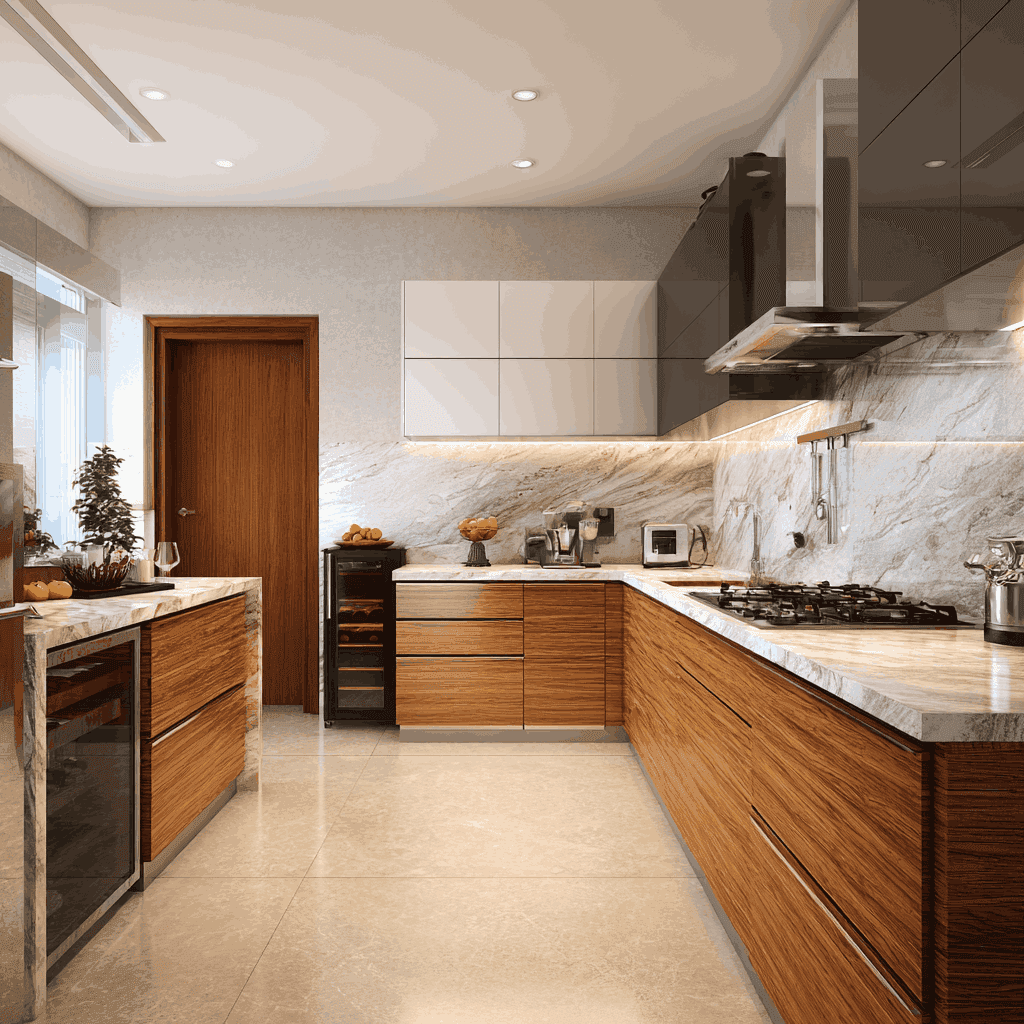
Lighting Design and Its Role in Cost
Lighting is one of the most underestimated contributors to kitchen remodel cost.
A well-designed kitchen uses layered lighting:
Task lighting for work zones
Ambient lighting for overall comfort
Accent lighting to enhance depth
Thoughtful lighting planning enhances the kitchen experience without relying on excessive finishes.
Plumbing and Wet Area Considerations
Kitchens are wet zones by nature. Plumbing decisions impact long-term performance more than visual appearance.
Key considerations:
Sink placement relative to work zones
Drainage efficiency
Ease of access for maintenance
Relocating plumbing points increases coordination requirements and should be done only when it improves functionality meaningfully.
Ventilation and Heat Management
In Indian homes, kitchen ventilation is critical.
Design-led ventilation planning considers:
Cooking intensity
Enclosed versus open kitchens
Interaction with living spaces
Poor ventilation design often leads to long-term dissatisfaction, regardless of how refined the kitchen looks.
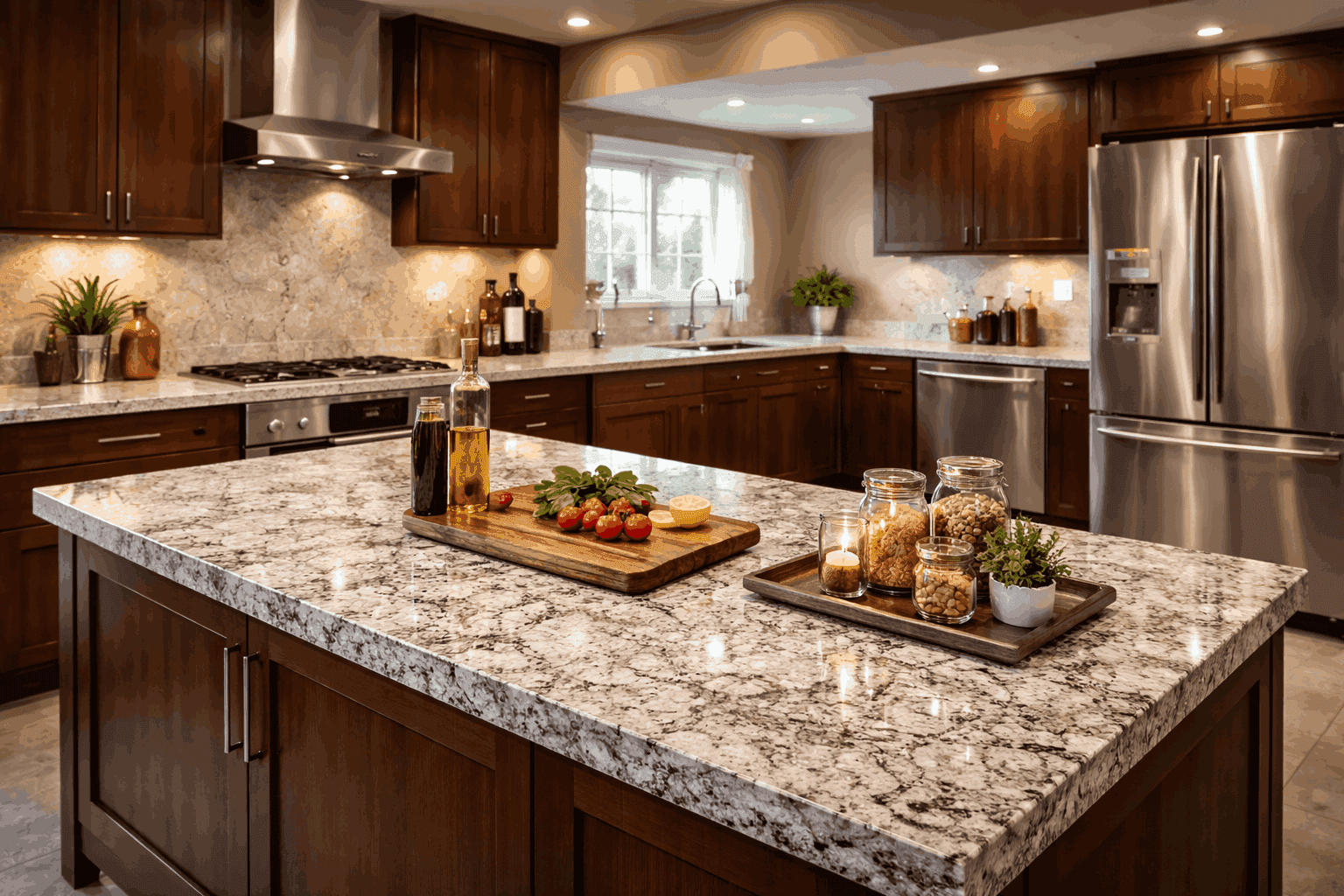
Flooring and Ceiling Treatments
Though not always exclusive to kitchens, flooring and ceilings influence remodel cost when addressed as part of the kitchen scope.
Design impact depends on:
Continuity with adjacent spaces
Slip resistance and ease of cleaning
Ceiling height and service integration
A kitchen remodel that considers these holistically feels more resolved.
Size of the Kitchen vs Complexity of Design
Kitchen remodel cost does not increase linearly with size.
A compact kitchen with:
High storage density
Multiple functional zones
Custom detailing
can be more complex than a larger, straightforward layout.
Design complexity matters more than square footage.
Open Kitchens vs Closed Kitchens
Open kitchens often involve:
Higher visual consistency requirements
Greater emphasis on finishes
Integration with living and dining spaces
Closed kitchens prioritise:
Functionality and containment
Practical material choices
Neither is inherently more expensive. The difference lies in design intent and expectations.
Long-Term Thinking vs Short-Term Decisions
One of the biggest mistakes homeowners make is evaluating kitchen remodel cost only at the point of completion.
Designers encourage clients to consider:
How the kitchen will age
Ease of maintenance
Flexibility for changing needs
A kitchen that feels considered often delivers better value over time.
Common Misconceptions About Kitchen Remodel Cost
Bigger Kitchens Always Cost More
Not necessarily. Complexity, not size, drives cost.
Premium Look Means High Spend
Good design achieves refinement through proportion and balance, not excess.
Cutting Corners Saves Money
Short-term savings often lead to long-term dissatisfaction or rework.
How Designers Control Kitchen Remodel Cost Without Compromising Quality
Experienced designers manage kitchen remodel cost by:
Prioritising layout efficiency
Limiting unnecessary material changes
Focusing on a cohesive design language
Planning services early
Design clarity prevents budget drift.
Planning a Kitchen Remodel in 2026: What Has Changed
Modern kitchens in 2026 reflect:
Greater emphasis on storage intelligence
Clean, clutter-free surfaces
Integration with living spaces
Thoughtful lighting and ventilation
Cost planning today is less about cutting back and more about allocating effort wisely.
Questions Homeowners Should Ask Before Finalising a Kitchen Remodel
Does this layout support how we actually cook?
Are we prioritising daily comfort over visual trends?
Will this kitchen still feel relevant in several years?
Clear answers lead to better decisions.
Final Thoughts on Kitchen Remodel Cost
The true conversation around kitchen remodel cost is not about numbers. It is about understanding what you are investing in and why.
A well-planned kitchen remodel reflects:
Thoughtful layout
Appropriate material choices
Strong functional logic
Long-term comfort
When these elements align, the kitchen becomes a space that supports daily life effortlessly, regardless of scale or style.
At Tint Tone and Shade, we approach kitchen remodelling as a design problem first and a cost consideration second, ensuring that every decision serves both function and longevity.
Frequently Asked Questions on Kitchen Remodel Cost
1. What does “kitchen remodel cost” actually depend on?
Kitchen remodel cost is influenced by the scope of work, layout changes, cabinetry planning, material selection, lighting, ventilation, and overall design complexity. It is not determined by size alone or by any single element.
2. Is kitchen size the biggest factor affecting remodel cost?
No. Complexity matters more than size. A compact kitchen with dense storage, functional upgrades, and detailed planning can require more design coordination than a larger kitchen with a straightforward layout.
3. Does changing the kitchen layout increase remodel cost?
Yes. Layout changes usually involve relocating key functional zones such as cooking, washing, or storage areas. This increases coordination across design elements and services, which affects overall planning effort.
4. Can I control kitchen remodel cost without compromising design quality?
Yes. Cost control comes from clear design intent, efficient layouts, limiting unnecessary changes, and choosing finishes that balance aesthetics with longevity. Thoughtful planning often delivers better results than cutting back randomly.
5. How much do cabinets influence kitchen remodel cost?
Cabinetry plays a major role because it defines storage, functionality, and visual impact. Cabinet configuration, internal organisation, and level of customisation all influence how the kitchen is planned and executed.
6. Do finishes like shutters and countertops significantly affect remodel cost?
Finishes influence remodel planning because they shape the kitchen’s visual language and durability expectations. Designers focus on cohesive combinations rather than isolated choices to avoid rework or imbalance.
7. Is it more expensive to remodel an open kitchen than a closed kitchen?
Not necessarily. Open kitchens require higher visual coordination with adjacent spaces, while closed kitchens focus more on function and containment. The difference lies in design expectations, not inherently in cost.
8. Does lighting really impact kitchen remodel planning?
Yes. Lighting design affects usability, comfort, and how materials are perceived. Layered lighting requires early planning but often enhances the kitchen experience more than additional finishes.
9. Why is ventilation an important factor in kitchen remodel cost planning?
Ventilation influences comfort, hygiene, and how the kitchen interacts with other spaces. Poor ventilation planning often leads to dissatisfaction later, regardless of how well-designed the kitchen looks.
10. Is it better to remodel a kitchen in phases?
From a design perspective, kitchens work best when planned holistically. Phased changes can lead to mismatches in layout, finishes, and functionality unless carefully coordinated.
11. Can a kitchen remodel increase long-term value even without luxury finishes?
Yes. A well-planned kitchen that improves layout efficiency, storage logic, lighting, and ventilation often delivers better long-term value than one focused only on surface-level upgrades.
12. What are common mistakes people make when thinking about kitchen remodel cost?
Common mistakes include:
Focusing only on finishes instead of layout
Ignoring lighting and ventilation early
Making decisions in isolation
Prioritising short-term savings over long-term usability
13. How do designers approach kitchen remodel cost differently from homeowners?
Designers view kitchen remodel cost as the result of planning choices, not a target number. They focus on function, flow, and longevity first, allowing cost to settle naturally based on those decisions.
14. Is a kitchen remodel worth the effort?
A kitchen remodel is often one of the most impactful upgrades in a home because the kitchen supports daily routines, family interaction, and long-term comfort. When planned well, the benefits extend far beyond appearance.
Similar Topic