Interior Designer vs Contractor: Which is Better?
How to Guides
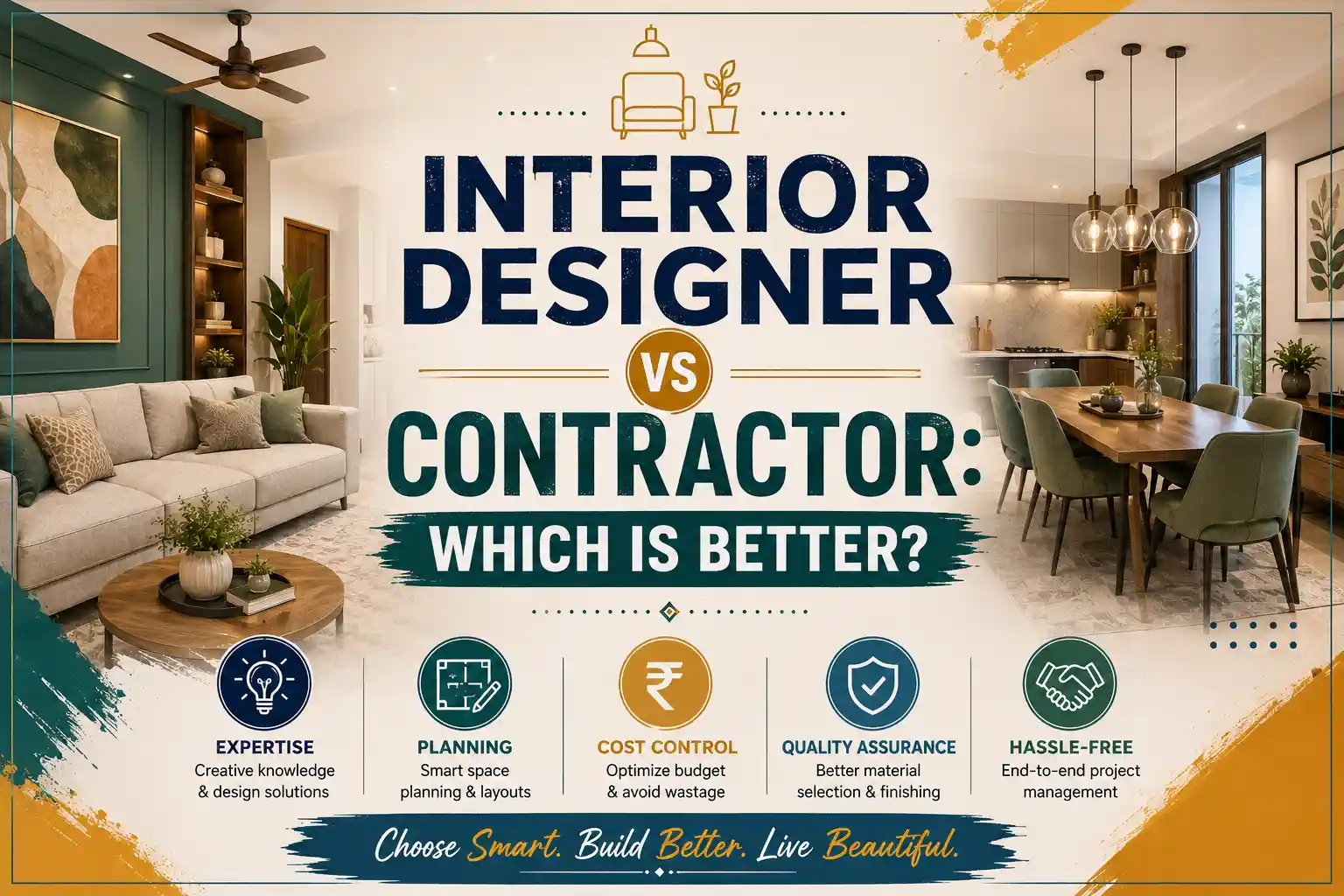





Every home transformation begins with a vision, but turning that vision into reality requires the right profession. Many homeowners struggle to decide whether they need an interior designer or a contractor; often assuming they do the same job. In reality, each of them has a unique role, and understanding the difference is the first step toward a successful project.
Choosing the right professional not only ensures a smoother renovation process but also helps you make the most of your time, budget, and investment.
What Does an Interior Designer Do?
An interior designer brings your vision to life by creating spaces that are stylish, functional, and match your lifestyle. Their expertise goes beyond choosing colors and decor; they carefully plan layouts, select the right materials, finishes, furniture, lighting, and storage solutions to create a beautiful and functional space.
From the initial layout to the final execution, interior designers work closely with contractors and vendors to ensure every detail is implemented as planned. The result is a well designed home that not only looks beautiful but also enhances the way you live.
Key Responsibilities of an Interior Designer:
Develop design concepts and layouts
Create a space planning
Select apt colors, materials, and finishes
Recommend furniture and decor
Design lighting plans for various rooms
Coordinate with multiple vendors and suppliers
Manage the overall design execution process
What Does a Contractor Do?
A contractor is responsible for performing the labor for the construction and renovation of the building. They supervise labor, manage construction materials, and ensure that every aspect of the building is completed safely and in accordance with the approved plans. Contractors supervise electricians, plumbers, carpenters, painters, and skilled laborers.
Contractors were experts in supervising construction sites, scheduling projects, and ensuring quality control.
Key Responsibilities of a Contractor
Manage the construction sites and projects
Hire and supervise skilled workers
Purchase construction materials
Complete structural-related work
Coordinate plumbing and electrical installations
Supervise the overall labour work till the project is complete
Interior Designer vs Contractor: Key Differences
Feature | Interior Designer | Contractor |
Primary Role | Design functional and visually appealing interiors | Executes construction and renovation works |
Main Focus | Space planning, aesthetics, and functionality | Construction, repair works, and installation |
Expertise | Design concepts, furniture, and decors | Construction activity, labor management, and structural works. |
Client involvement | Moderate physical presence, client involved mainly in planning and designing. | The client must be physically present during construction. |
Material selection | Furniture, finishes, decor, and lighting | Cement, steel, wood, plumbing, and other electrical materials. |
Primary Goal | Create a space that is visually appealing as well as functional | Complete the construction work efficiently |
When Should You Hire an Interior Designer?
Hiring an interior designer would be a perfect choice if you want your home to be stylish and functional. They make your idea into a reality.
You should consider a designer if you are:
Designing a new home
Renovating your interiors
Remodeling a kitchen or bathroom
Decorating an apartment
Planning custom furniture
Looking to increase storage spaces
When Should You Hire a Contractor?
A contractor is essential if you plan for construction or structural changes. If your project requires skilled labor and technical expertise, a contractor is the right professional.
Hire a contractor for:
House construction
Home extensions
Structural renovations
Flooring installation
Plumbing work
Electrical installations
Roofing and ceiling work
Wall demolition and reconstruction
Which Option Is Better?
An interior designer is the right choice if you want a space that is both functional and visually appealing. Contractors specialize in executing construction work, but interior designers focus on planning every detail from space layout and lighting to furniture, materials, and decor. Their expertise ensures your home is designed to suit your lifestyle, maximize available space, and achieve a cohesive, elegant look.
Choosing an interior designer is a smart investment because they help turn your ideas into a well-planned reality while minimizing design mistakes and enhancing your property's overall value. By balancing creativity with functionality, they create spaces that are comfortable, stylish, and built to meet your long-term needs. If your goal is to achieve a beautifully designed environment that reflects your personality and enhances everyday living, an interior designer is the right option.
Transform Your Space with Tint, Tone, and Shade
A well-designed space should reflect your personality, support your lifestyle, and stand for long term. At Tint Tone and Shade, we believe every home deserves a well-designed space that combines creativity, functionality, and attention to detail. From concept development to the final finishing touches, our experienced interior designers work closely with you to bring your vision to life.
Whether you are designing a new home or renovating an existing one, let us create interiors that are elegant, functional, and uniquely yours. Contact us today for a personalized design consultation and take the first step toward transforming your dream space into reality.
Frequently Asked Questions (FAQs)
1. What is the main difference between an interior designer and a contractor?
An interior designer focuses on planning the layout, aesthetics, functionality, and overall look of a space, while a contractor is responsible for executing the construction, renovation, and installation work in accordance with the approved plans.
2. Should I hire an interior designer before a contractor?
Yes. Hiring an interior designer first helps you create a clear design plan, select materials, and finalize the layout before construction begins. This reduces the chances of unnecessary and ensures the contractor has a well-defined plan to follow.
3. Can an interior designer and a contractor work together?
Absolutely. Interior designers and contractors often collaborate on projects. The designer develops the design concept and specifications, while the contractor brings those plans to life through construction and installation.
4. Is hiring an interior designer worth the investment?
Yes. A professional interior designer helps maximize space, improve functionality, avoid expensive design mistakes, and create a cohesive interior that enhances both the comfort and value of your property.
5. Why should I choose an interior designer over a contractor?
If your goal is to create a space that is functional, visually appealing, and tailored to your lifestyle, an interior designer is the better choice. They provide expert guidance on space planning, materials, lighting, and decor, ensuring your home is both beautiful and functional.
Similar Topic