How to Choose the Right Interior Designer in Chennai
Tips


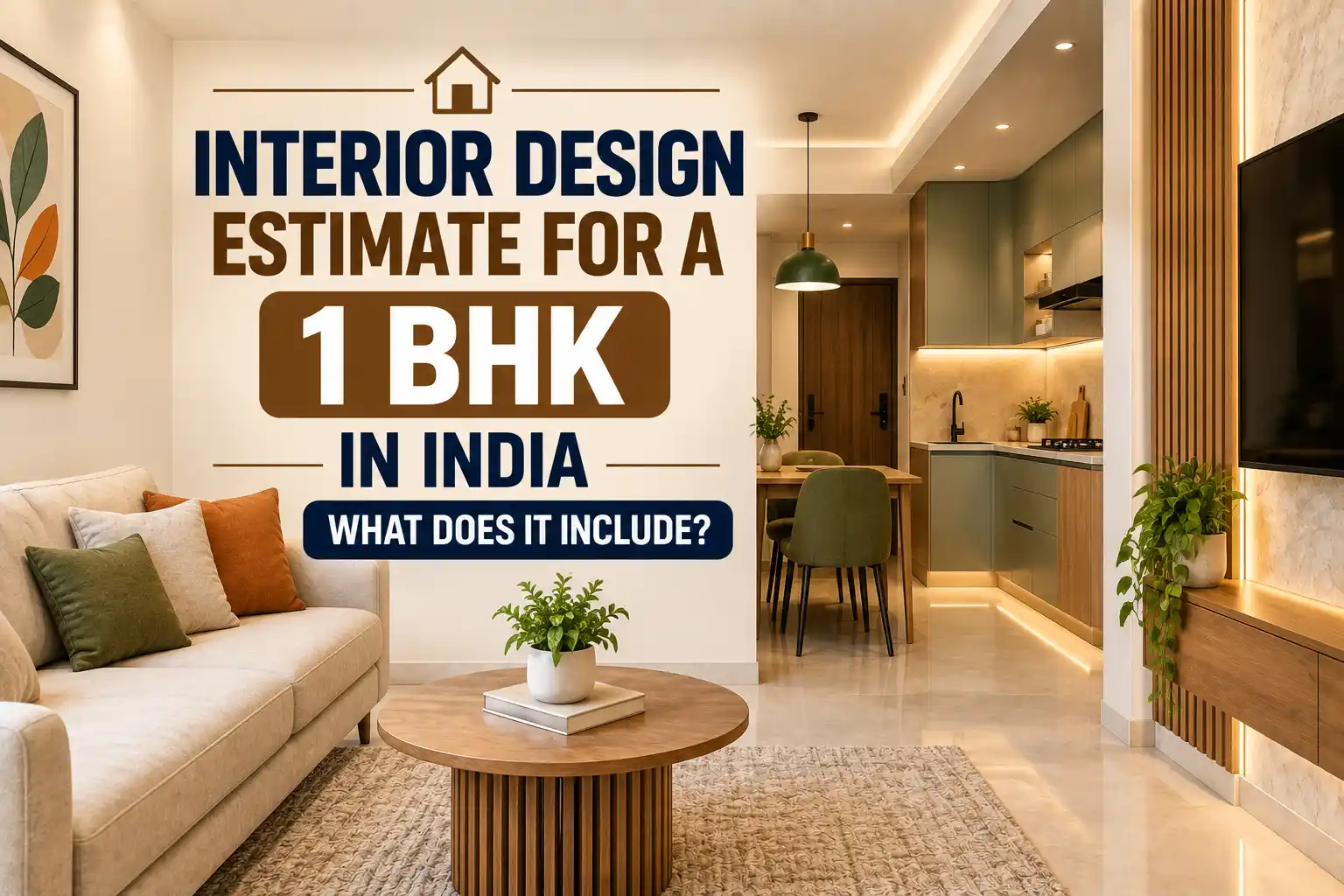



Choosing the right interior designer in Chennai involves more than comparing portfolios and quotations. While design aesthetics and pricing are important, they do not always reflect the quality of execution, project management, or overall customer experience.
A successful interior project depends on factors such as material specifications, scope of work, payment schedules, quality checks, and contract terms. Understanding these details before making a decision can help you avoid unexpected expenses and choose a designer who delivers both quality and value.
Interior Designer vs Decorator: Which Is Right for Your Chennai Home?
Before you compare quotes, you first have to understand who you are hiring. Interior designer and interior decor are completely different terms; they are not the same.
An interior designer handles the technical and structural aspects of your home, including space planning, BOQ (Bill of Quantities) preparation, material specification, site supervision, and vendor coordination.
This includes decisions such as choosing BWP-grade plywood over MR-grade plywood for high-water-resistant areas like kitchens and bathrooms, specifying waterproofing membranes before tiling a bathroom, and selecting hardware brands like Hettich or Blum for cabinetry.
For instance, an interior decorator mainly focuses on the aesthetics of furnishings, wall finishes, lighting fixtures, accent pieces, colour palettes, drapery, and styling with no structural or technical involvement.
A decorator can tell you whether a teal accent wall works with a brass pendant light. A designer is the one who decides whether that wall can even be moved, what goes inside it, and how it holds up against monsoon dampness three years from now.
As a homeowner, before beginning the project, it is essential to understand these distinctions, especially in Chennai, where many homes, particularly in areas like Anna Nagar, Nungambakkam, and Mylapore, may require more than just a fancy upgrade. Issues such as seepage, ageing plumbing, outdated electrical systems, or inefficient layouts often need technical expertise and planning.
A decorator can transform how a room looks. A designer can transform how a home functions.
Portfolio vs Reality: Questions to Ask Before You Decide
One of the biggest mistakes homeowners make is treating a portfolio as proof of a designer's capabilities. In reality, a portfolio is only the starting point.
Beautiful renders and professionally photographed interiors can tell you what a designer wants to build, but they don't necessarily show what was actually delivered. That's why, as a homeowner, it’s important to ask for completed projects rather than 3D visualisations. A finished home reveals far more about execution quality, detailing, and workmanship than any render ever can.
Go a step further and ask to see projects six to twelve months after handover. Chennai's heat, humidity, and coastal climate are a real test of material performance. A home that still looks good after a year says more about the designer's specifications than one photographed after completion.
Pay attention to the specifications behind those catalogues. For example, did the designer use BWP-grade plywood in kitchens and bathrooms or cheaper MR-grade plywood? What laminate brands were specified? Were moisture-resistant materials used in utility areas? What hardware systems were selected for wardrobes and kitchens?
A well-designed kitchen isn’t eye-catching. The quality of hinges, channels, drawer systems, edge banding, and plywood determines how it performs years later. Reputed designers can explain why they chose brands such as Hettich or Blum and how those choices affect durability and maintenance.
Also, look for projects similar to your house, like:
Apartment interiors
Villas
Duplex homes
Renovations vs. new interior
Essential Questions to Ask an Interior Designer
Every designer says the same things in their first meeting: "We will take care of everything," "you won't need to worry." None of that tells you anything. What tells you that something is the right question to ask?
Ask these questions that actually reveal how the designer works:
Can I speak to a client whose project finished over a year ago?
What do you do differently for Chennai's monsoon and humidity that you wouldn't do elsewhere?
Who actually owns the site safety and quality check?
Is there a dedicated post-handover support period?
While they are answering, pay attention to the details. Experienced Chennai designers will naturally talk about factors such as monsoon delays, local supplier timelines, and site logistics. These are signs that they have already managed projects on the ground, not just designed them on paper.
Understanding Interior Design Pricing in Chennai
Pricing for interior design in Chennai generally comes down to three structures: a fixed fee, a percentage of the overall project cost, or a per-square-foot rate. As a homeowner, the decision shouldn't be based on whichever number looks smallest; it should be based on what's actually covered within that number.
Rather than relying on per-square-foot pricing alone, many homeowners now lean toward a complete home quote because it offers a clearer picture of the total cost upfront.
Three common pricing models in Chennai:
Fixed fee a single number for the entire home, regardless of room-by-room scope changes
Percentage of project cost typically 10–15% of the total BOQ value
Per square foot typically ₹150–₹500/sq ft as a baseline design fee, billed separately from execution
But signing in to anything provides clarity on these things: how GST applies to the design fee versus material procurement, who actually holds the vendor relationships (and whether you're quietly paying a markup baked into material costs), and the retention amount.
Also, understand their payment schedule carefully; a professional designer earns trust by transparent pricing.
Why Location Matters When Choosing an Interior Designer in Chennai
If you choose a designer who's only worked in Bangalore or Pune, they will make decisions that simply won't work in Chennai, because the city itself demands a different approach.
Have a detailed conversation with your interior designer, starting with material choices. In Chennai’s coastal climate, humidity quietly punishes the wrong decisions.
BWP-grade plywood, for example, performs far better than MR-grade plywood in cabinetry and wet areas; powder-coated ironwork lasts longer than simple painted finishes; and using an anti-fungal primer in bathrooms offers essential protection against mould.
Then there's the calendar. Any project that doesn't build in the October–December Northeast monsoon will overrun, almost without exception. A designer who plans around it has clearly done this before. Even logistics shifts block by block. Material access into Mylapore's old lanes is a different problem from delivery on OMR's wide roads, and it directly affects what's feasible and at what cost.
Structural changes require CMDA approval, and not every designer is familiar with local regulations. So, choosing a Chennai-based interior designer is a perfect way to ensure your project runs smoothly.
Evaluate an Interior Designer’s Trustworthiness
If you want to know whether the interior designer is trustworthy, ask for references from recent clients and try to speak to them directly. A quick conversation can tell you more about timelines, communication, dedication and post-handover support than dozens of online reviews.
Next, look at the payment structure. Be cautious if you are being asked to pay a large percentage upfront before substantial work has begun. A professional firm will usually break down the pricing details, including material costs, labour charges, transportation and execution.
You should also ask about the process after the project is completed. Will the designer inspect the home with you and address any issues that need attention? This shows they’re confident in their work and committed to quality.
Why Your Chennai Home Deserves Tint, Tone & Shade
Every designer can show you what your home will look like on handover day. But the real truth is: how will that home perform a year from now?
Will the finishes still look as good? Will the storage work the way you imagined? Will the materials withstand Chennai's humidity and everyday use? And most importantly, will you still be happy with the decisions made during the design process?
That's the standard we believe every home should be measured against.
At Tint Tone and Shade, we focus on creating homes that are designed for real life, not just reveal photos. From proper planning and transparent BOQs to quality materials and careful execution, our goal is to deliver spaces that continue to perform long after the project is complete.
Planning your home in Chennai? Book your free consultation today with our expert team.
Frequently Asked Questions
1. How much does an interior designer cost in Chennai?
Interior design fees vary based on project size, scope, and experience. Designers may charge per square foot, a fixed fee, or a percentage of the project cost. Always ask for a detailed cost breakdown before comparing quotes.
2. What is a BOQ in interior design?
A BOQ (Bill of Quantities) is a document that lists the materials, specifications, quantities, and estimated costs for your project. It helps keep budgets transparent and reduces disputes.
3. What is the difference between an interior designer and an interior decorator?
An interior designer handles space planning, technical drawings, and execution, while an interior decorator focuses on furniture, colours, furnishings, and styling.
4. How do I know if an interior designer is reliable?
Ask for client references, review completed projects, check their payment structure, and ensure they provide detailed contracts and GST-compliant invoices.
5. Why is local experience important when choosing an interior designer in Chennai?
Local designers understand Chennai's climate, material requirements, supplier networks, and project challenges, helping ensure better planning and execution.
Similar Topic