Trending Brick Wall Design Ideas for Interiors and Exteriors
Tips
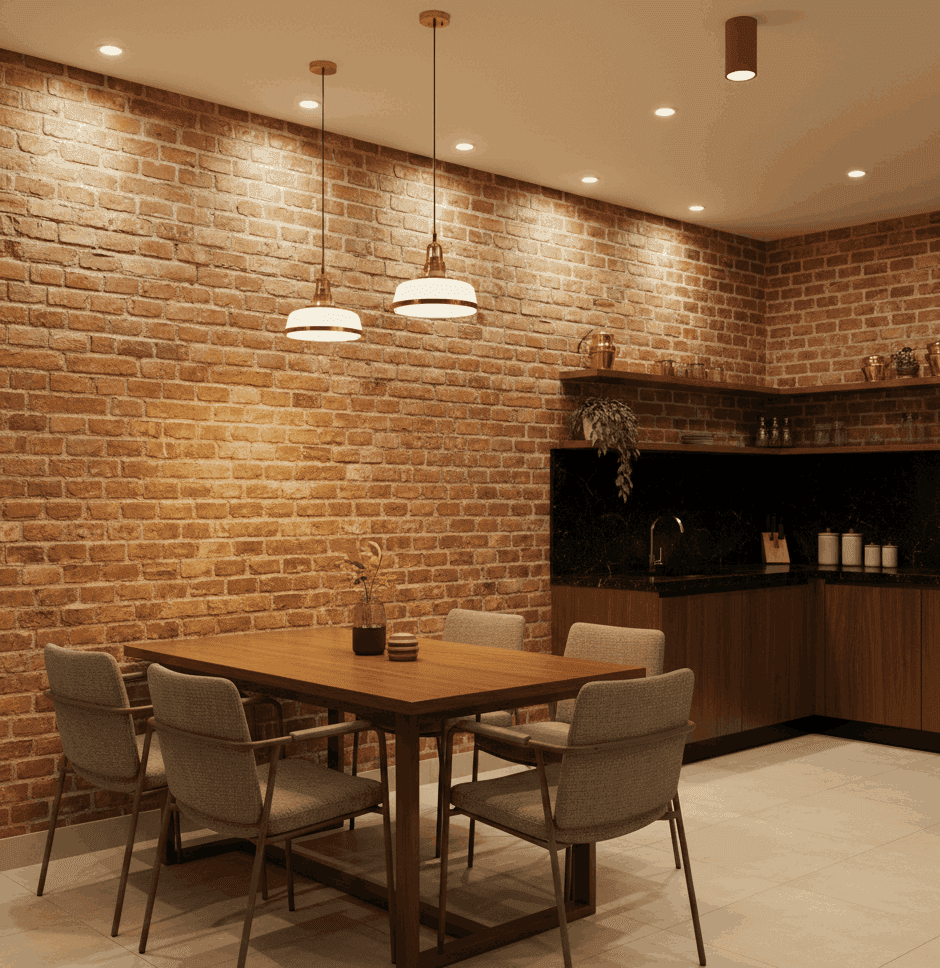





Brick has quietly moved from being a purely structural material to becoming one of the most expressive surfaces in contemporary architecture and interior design. Once hidden behind plaster and paint, brick walls are now intentionally revealed, celebrated, and reinterpreted across homes, cafés, offices, and outdoor spaces.
A brick wall design approach is not about nostalgia alone. It is about texture, warmth, honesty of material, and a visual rhythm that few finishes can replicate. Whether used inside a home or on exterior façades, brick walls create depth and character without relying on ornamentation.
This guide explores trending brick wall design ideas for interiors and exteriors, viewed through the lens of design intent, spatial balance, and modern Indian lifestyles.
Wall Design Brick for Interiors and Exteriors
Brick walls are trending because they offer texture, warmth, and material honesty that ages well over time.
A brick wall design approach works best when brick is treated as an architectural element, not just decoration.
In interiors, brick walls are commonly used as accent walls in living rooms, bedrooms, dining areas, home offices, and kitchens.
In bedrooms and compact spaces, brick should be used sparingly to maintain visual calm.
Exterior brick walls add timeless character, strong identity, and long-term visual stability to homes.
Brick works well in façades, compound walls, courtyards, balconies, and terraces.
Different brick patterns like stretcher bond, stack bond, and herringbone change the visual rhythm of a wall.
Brick colour and finish should respond to natural light and surrounding materials.
Lighting is essential to highlight brick texture and depth in both interiors and exteriors.
Overusing brick or mixing multiple brick styles in one space often leads to visual clutter.
Brick integrates seamlessly with modern interiors when paired with clean lines, neutral palettes, and natural materials.
Bottom line:
Brick walls remain relevant because they bring depth, warmth, and timeless character to spaces when used thoughtfully and with restraint.
Why Brick Walls Are Trending Again
The renewed interest in brick walls is driven by a shift in design values. Homeowners today are drawn to materials that feel authentic, tactile, and enduring.
Brick walls offer:
Natural texture that ages gracefully
Visual warmth without visual clutter
Compatibility with both modern and traditional interiors
A strong architectural presence
Unlike surface finishes that depend on colour or pattern alone, brick wall design relies on material honesty. The texture itself becomes the design.
Brick Wall Design as an Architectural Element
In both interiors and exteriors, brick walls are rarely decorative afterthoughts. They are architectural decisions.
A brick wall can:
Anchor a space visually
Define zones without partitions
Add scale and proportion to large walls
Introduce rhythm through pattern and alignment
Designers use brick not to dominate a space, but to give it grounding and identity.
Interior Brick Wall Design Ideas
Exposed Brick Walls in Living Rooms
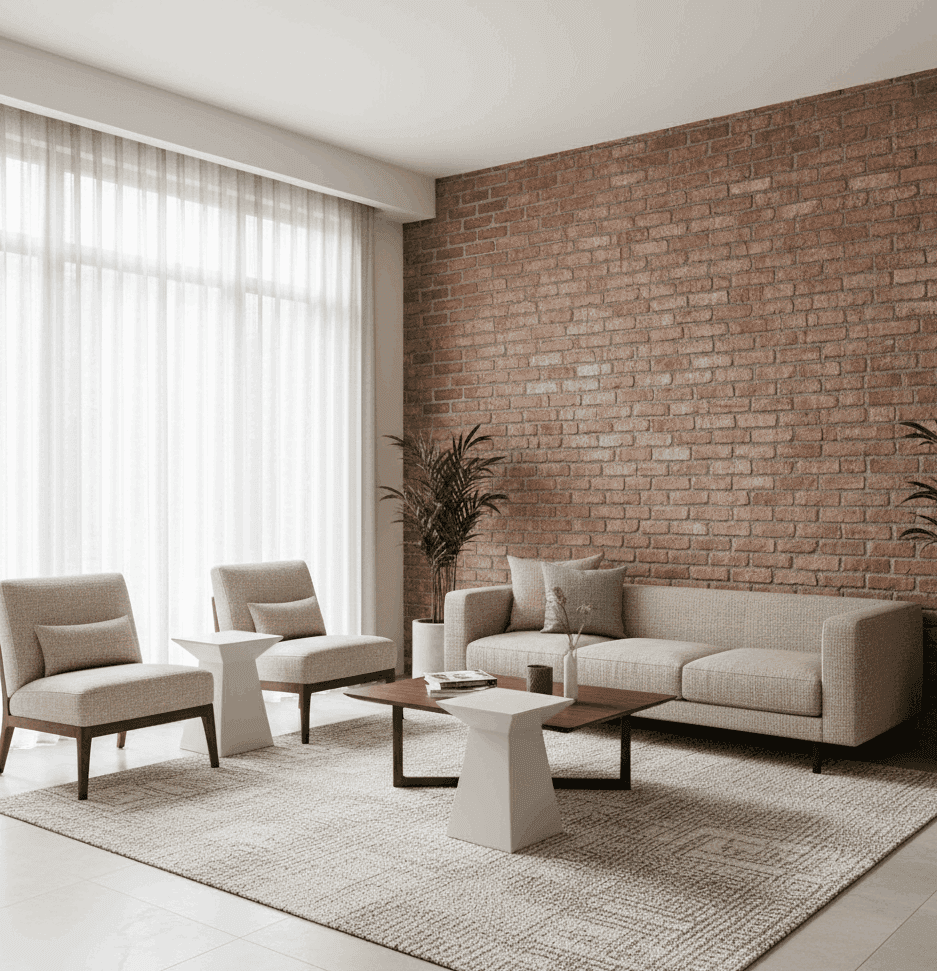
Living rooms are ideal spaces for brick walls because they allow texture to be experienced socially.
Design intent:
Brick walls act as feature backdrops
They pair well with neutral furniture
They introduce warmth without heaviness
In modern homes, exposed brick is often balanced with soft furnishings and layered lighting to maintain comfort.
Brick Accent Walls in Bedrooms
Bedrooms require calm, and brick can deliver this when used with restraint.
Design approach:
Use brick on a single wall, often behind the bed
Choose subtle textures rather than rough finishes
Balance with soft lighting and muted colours
A bedroom brick wall design works best when it supports rest, not visual drama.
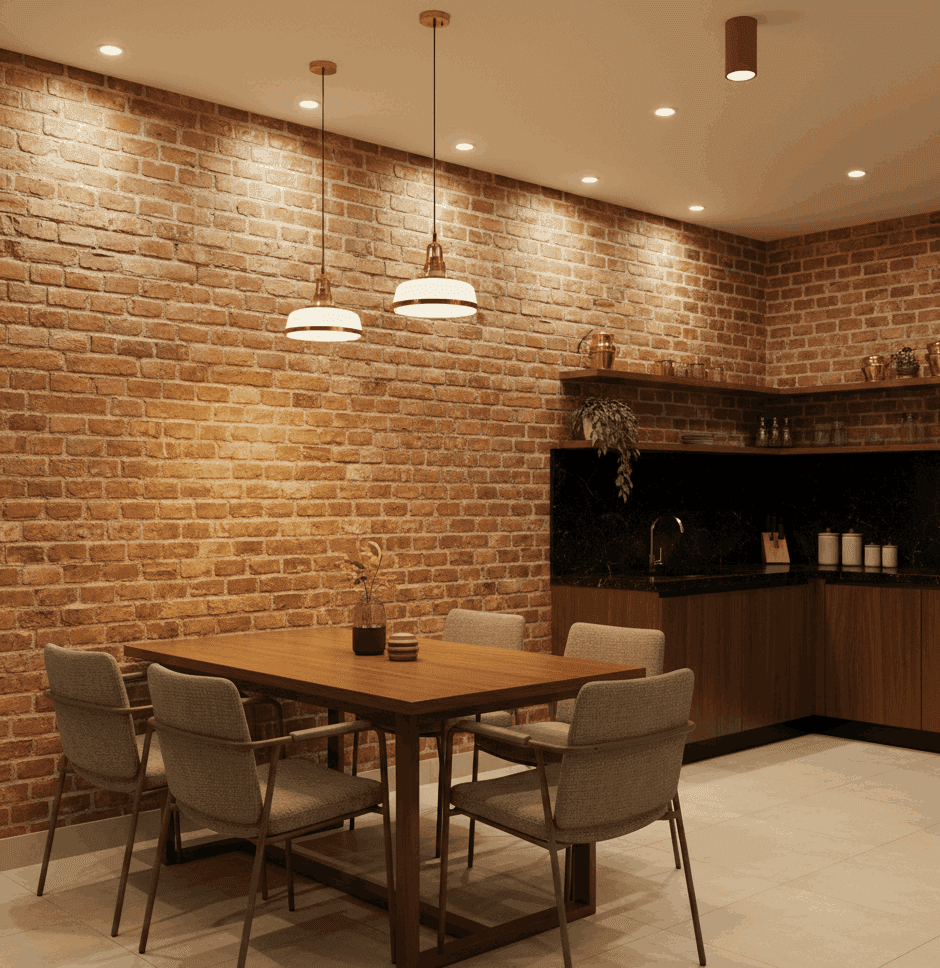
Brick Walls in Dining Areas
Dining spaces benefit from materials that feel warm and grounded.
Brick walls in dining areas:
Enhance social warmth
Work well with wood and metal finishes
Create a sense of enclosure without closing off space
Brick adds personality to dining areas without competing with table settings or lighting.
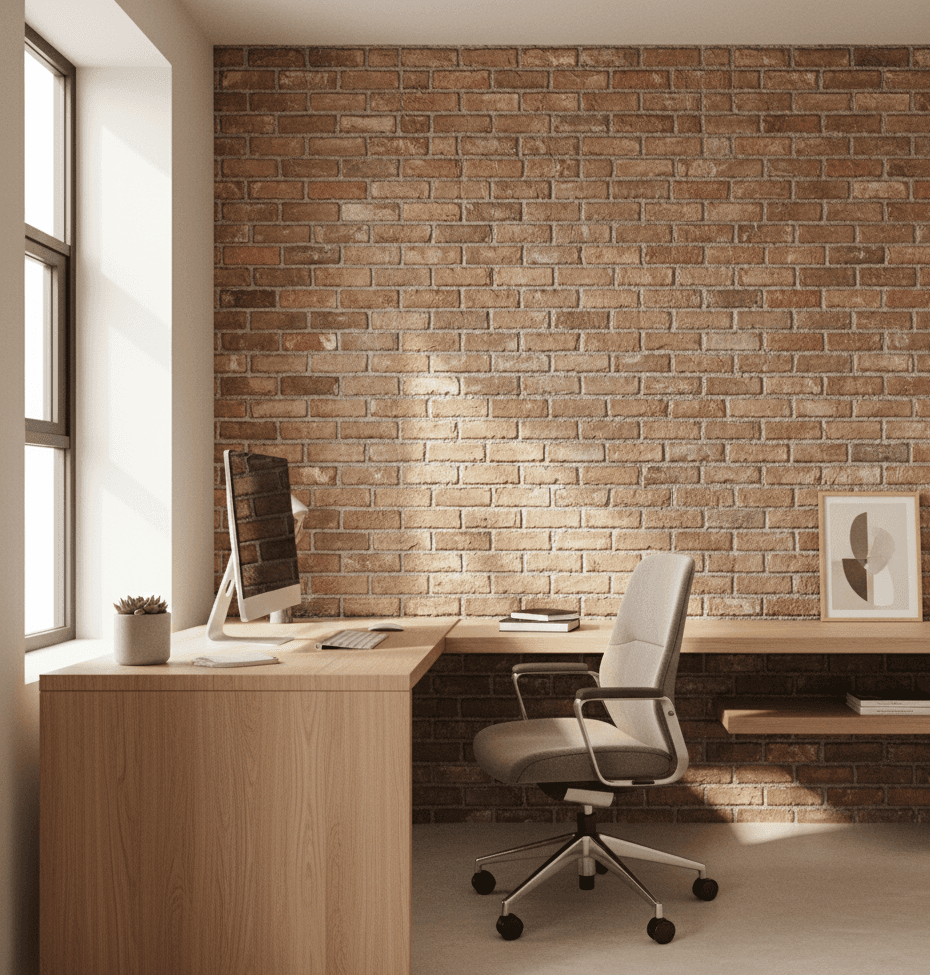
Brick Walls in Home Offices and Studies
In workspaces, brick walls bring focus and character.
Design benefits:
Reduces visual monotony
Adds texture without distraction
Supports creative and professional environments
Here, brick is often paired with clean furniture lines and controlled lighting.
Brick Walls in Kitchens
Brick walls in kitchens are typically used in limited zones.
Design logic:
Works well on breakfast counter backdrops
Adds contrast to smooth cabinetry
Must feel intentional, not rustic-heavy
In modern kitchens, brick is usually refined and balanced with contemporary finishes.
Brick Wall Design Variations for Interiors
Traditional Exposed Brick
Classic exposed brick retains natural texture and irregularity. It suits homes that appreciate raw material expression.
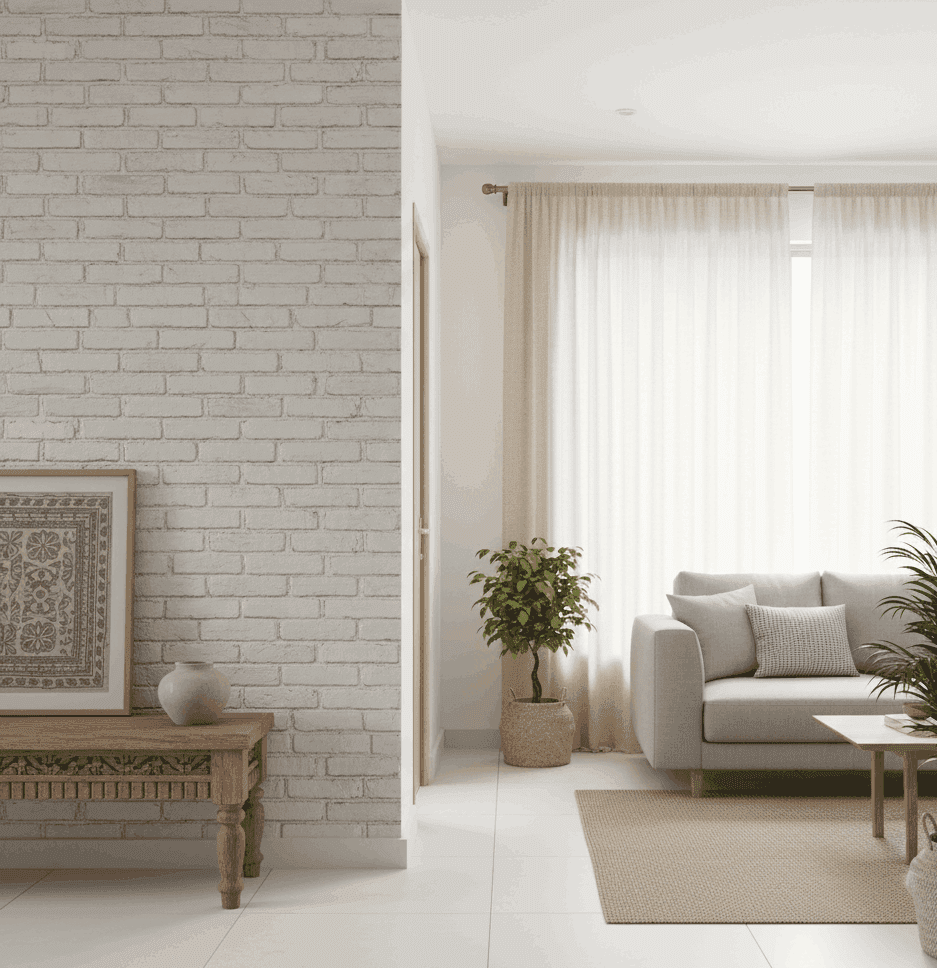
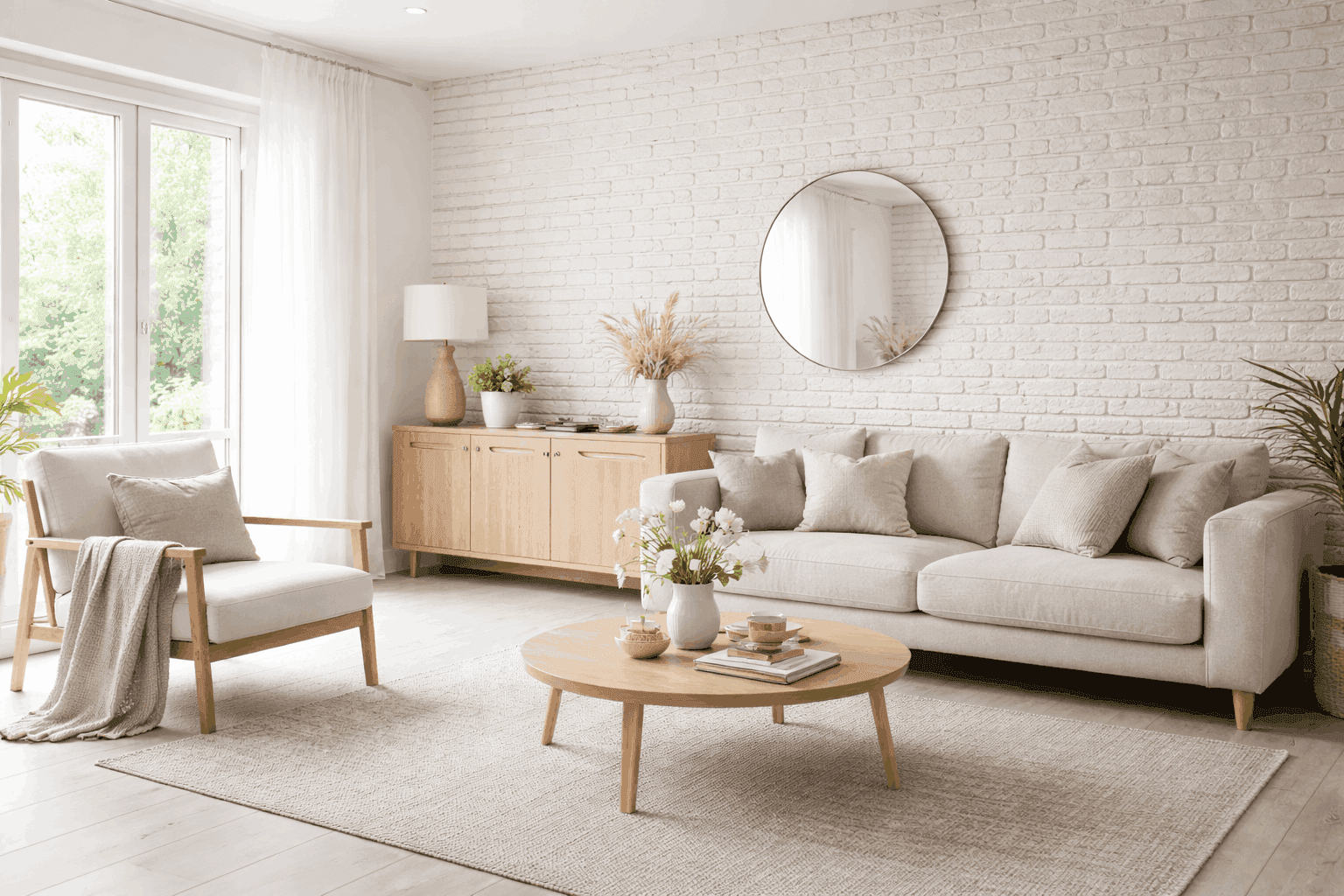
Whitewashed Brick Walls
Whitewashed brick softens texture while retaining depth. This approach works well in compact interiors where brightness is important.
Painted Brick Walls
Painted brick allows colour integration while preserving texture. Muted tones are preferred to maintain subtlety.
Brick Tile and Brick-Pattern Walls
These replicate brick texture in controlled ways, allowing designers to use brick aesthetics in modern layouts.
Exterior Brick Wall Design Ideas
Brick Façades for Independent Homes
Brick façades offer timeless appeal.
Design advantages:
Strong visual identity
Low visual ageing
Compatibility with modern and traditional architecture
Exterior brick wall designs often focuses on proportion, alignment, and rhythm rather than decoration.
Brick Compound Walls and Boundary Walls
Brick boundary walls feel solid yet refined.
Design approach:
Combine solid brick with metal or concrete elements
Use brick patterns for visual interest
Avoid excessive ornamentation
These walls define property boundaries while enhancing curb appeal.
Brick Walls in Courtyards and Outdoor Spaces
Courtyards benefit greatly from brick walls.
Design intent:
Brick absorbs and radiates warmth
Creates intimate outdoor spaces
Pairs well with greenery and water features
In Indian homes, courtyards with brick walls feel timeless and rooted.
Brick Walls for Balconies and Terraces
Brick walls add texture to outdoor vertical surfaces without visual clutter.
They work especially well as:
Backdrops for seating areas
Privacy screens
Accent walls
Brick Wall Patterns and Bond Styles
Pattern plays a major role in brick wall design.
Stretcher Bond
The most common and versatile pattern, suitable for both interiors and exteriors.
Flemish Bond
Alternating headers and stretchers create visual rhythm and traditional charm.
Stack Bond
Modern and linear, often used in contemporary designs for clean geometry.
Herringbone Brick Patterns
Used selectively for feature walls, these patterns add movement and sophistication.
Brick Colour Choices and Their Impact
Brick colour influences mood and scale.
Natural red and earthy tones feel warm and grounding
Muted browns and terracotta feel traditional yet refined
Grey or toned-down bricks feel contemporary
Whitewashed bricks feel light and airy
Colour choice should always respond to light conditions and surrounding materials.
Lighting and Brick Wall Design
Lighting transforms brick walls dramatically.
Design strategies:
Wall washers to highlight texture
Warm lighting to enhance depth
Avoid harsh, flat lighting that kills texture
In both interiors and exteriors, lighting makes or breaks a brick wall’s impact.
Common Mistakes in Brick Wall Design
Experienced designers avoid:
Overusing brick across too many walls
Mixing multiple brick styles in one space
Ignoring lighting while designing brick surfaces
Treating brick as decoration instead of architecture
Brick walls work best when used deliberately.
Brick Walls in Modern Indian Homes
Indian homes often benefit from brick walls because:
Brick responds well to climate
It pairs naturally with wood, stone, and concrete
It supports both modern and traditional aesthetics
When thoughtfully applied, brick wall design bridges heritage and contemporary living.
Integrating Brick Walls with Modern Interiors
Brick walls are not opposed to modern design.
They integrate seamlessly when paired with:
Clean-lined furniture
Neutral colour palettes
Natural materials
Minimal detailing
The contrast between raw texture and refined elements creates balance.
Final Thoughts on Wall Design Brick
Brick walls endure because they are honest. They do not rely on trends, finishes, or surface treatments to remain relevant.
A thoughtfully designed brick wall design approach adds warmth, depth, and character to interiors and exteriors alike. When used with restraint and clarity, brick walls elevate spaces rather than overwhelm them.
As interior designers and architects, we see brick not as a style, but as a material language. One that speaks of permanence, craft, and quiet strength.
At Tint Tone and Shade, brick wall designs are approached as architectural elements, carefully integrated into the spatial narrative of each home to create environments that feel grounded, timeless, and lived-in.
Frequently Asked Questions on Wall Design Brick
1. Are brick walls suitable for modern interiors?
Yes. Brick walls work extremely well in modern interiors when used with restraint. Clean furniture lines, neutral colour palettes, and controlled lighting allow brick texture to feel intentional rather than rustic or dated.
2. Can brick walls be used in small spaces?
Yes, but selectively. In compact rooms, brick works best as a single accent wall or in lighter finishes like whitewashed or muted tones. Overusing brick in small spaces can make the room feel visually heavy.
3. Are brick walls only suitable for rustic or industrial styles?
No. While brick is commonly associated with rustic and industrial interiors, it also integrates beautifully into contemporary, minimal, Scandinavian, and even traditional design styles when balanced with modern elements.
4. Which rooms are best for interior brick wall designs?
Living rooms, dining areas, home offices, and feature bedroom walls are ideal. Kitchens and bathrooms can also use brick in limited, well-planned zones where texture adds character without overwhelming the space.
5. Can brick walls be used in bedrooms without making them feel harsh?
Yes. In bedrooms, brick should be visually softened through lighting, colour choice, and surrounding finishes. Subtle textures and muted tones help maintain a calm and restful atmosphere.
6. Are brick walls practical for Indian homes?
Yes. Brick performs well in Indian climatic conditions and pairs naturally with materials commonly used in Indian homes such as wood, stone, and concrete. It also ages gracefully over time.
7. Do exterior brick walls go out of style?
No. Brick façades and exterior brick walls are considered timeless. Their appeal lies in material honesty and proportion rather than trends, making them visually relevant across decades.
8. What type of lighting works best with brick walls?
Warm and directional lighting works best. Wall washers, accent lights, and indirect lighting help highlight brick texture and depth. Flat or overly harsh lighting can reduce the visual impact of brick.
9. Can brick walls be painted or whitewashed?
Yes. Painting or whitewashing brick is a common design approach to soften texture or integrate brick into lighter interiors. This retains depth while allowing greater colour flexibility.
10. Is it a good idea to use brick on all walls?
Generally, no. Brick works best when used as a feature or accent. Covering too many walls with brick can create visual monotony and make spaces feel enclosed.
11. How do brick walls work in outdoor spaces?
Brick walls are excellent for courtyards, terraces, balconies, and boundary walls. They add warmth, texture, and a sense of permanence to outdoor areas while blending naturally with landscaping.
12. Can brick walls be combined with other materials?
Yes. Brick pairs well with wood, metal, glass, and concrete. The key is balance. Brick should complement other materials rather than compete with them.
13. Are brick walls high-maintenance?
From a design perspective, brick is considered low-maintenance visually because it hides minor wear well and develops character over time. Proper planning and finish selection help ensure long-term durability.
Similar Topic