South Facing House Vastu Tips and Essentials for Indian Homes
Tips




South-facing homes have long been misunderstood in popular conversations around vastu. Often labelled as inauspicious or avoided altogether, these homes are frequently dismissed without proper understanding. In reality, vastu does not reject south-facing houses. It evaluates how spaces are planned, balanced, and aligned within them.
A well-designed vastu for south facing house layout can be just as harmonious, prosperous, and comfortable as any other orientation. What matters is not the direction alone, but how energy is managed through planning, zoning, proportions, and usage.
This guide offers a clear, structured, and practical understanding of vastu for south-facing houses, rooted in traditional principles while remaining relevant to modern Indian homes.
Vastu for South Facing House
A south-facing house is not inauspicious by default. Vastu focuses on planning and balance, not just direction.
The main entrance in a south-facing house works best when placed towards the south-east or south-south-east zone.
Living rooms are ideally placed in the north, east, or north-east to maintain openness and light.
The kitchen performs best in the south-east (or east as a secondary option).
The master bedroom is ideally located in the south-west for stability and restful sleep.
Children’s bedrooms work well in the west or north-west, while guest bedrooms suit the north-west.
Pooja rooms should always be in the north-east or east, regardless of house orientation.
Bathrooms and toilets are best placed in the west or north-west, and should be avoided in the north-east or centre.
South-facing homes should have heavier zones towards the south and west and remain lighter and more open towards the north and east.
Good natural light, ventilation, and clutter-free planning are more important than symbolic remedies.
Modern homes and apartments can follow vastu without compromising design or functionality.
Bottom line:
A well-planned south-facing home can be stable, prosperous and comfortable when vastu principles are applied through intelligent layout and design rather than fear-based rules.
Understanding South Facing Houses in Vastu
A house is considered south-facing when the main entrance opens towards the south direction. This orientation influences how energy enters the home and how spaces inside should be arranged.
In vastu philosophy, the south is associated with:
Stability and discipline
Strength and responsibility
The element of earth
Yama, the guardian of direction, often misunderstood as negative
The issue is not that south-facing houses are bad. The issue arises when planning does not respect the energetic nature of the south direction.
Correct vastu planning allows south-facing homes to feel grounded, secure, and powerful.
Why South Facing Homes Get a Bad Reputation
The fear around south-facing homes comes largely from incomplete or oversimplified interpretations of vastu.
Common misconceptions include:
All south-facing houses bring financial loss
South-facing entrances invite negative energy
Prosperity is impossible in south-facing homes
In truth, vastu texts emphasise precision, not avoidance. South-facing homes demand more thoughtful planning, especially at the entrance and core functional zones.
When designed correctly, they can support:
Professional growth
Leadership roles
Long-term stability
Strong family structure
Core Vastu Principle for South Facing Houses
The most important concept in vastu for south facing house planning is energy regulation, not energy blocking.
South-facing homes should:
Control the speed and intensity of energy entering
Balance heavier zones with lighter zones
Place fire and movement carefully
Keep the north and east relatively open
Vastu works through balance, not superstition.
Ideal Main Entrance Placement for South Facing Houses
The entrance is the most critical element in a south-facing home.
Best Entrance Zones
The ideal entrance location is towards the southeast or south-southeast portion of the south wall.
This placement:
Moderates the intensity of southern energy
Aligns well with the fire element
Supports controlled energy inflow
Entrance Zones to Avoid
The exact south-west and south-central portions are traditionally avoided for main doors because they can create heaviness and stagnation if not balanced correctly.
Door Design Considerations
The entrance should feel solid and proportionate
Avoid overly lightweight or fragile door expressions
Good lighting near the entrance is essential
A well-designed entrance transforms how a south-facing house functions energetically.
Living Room Vastu for South Facing House
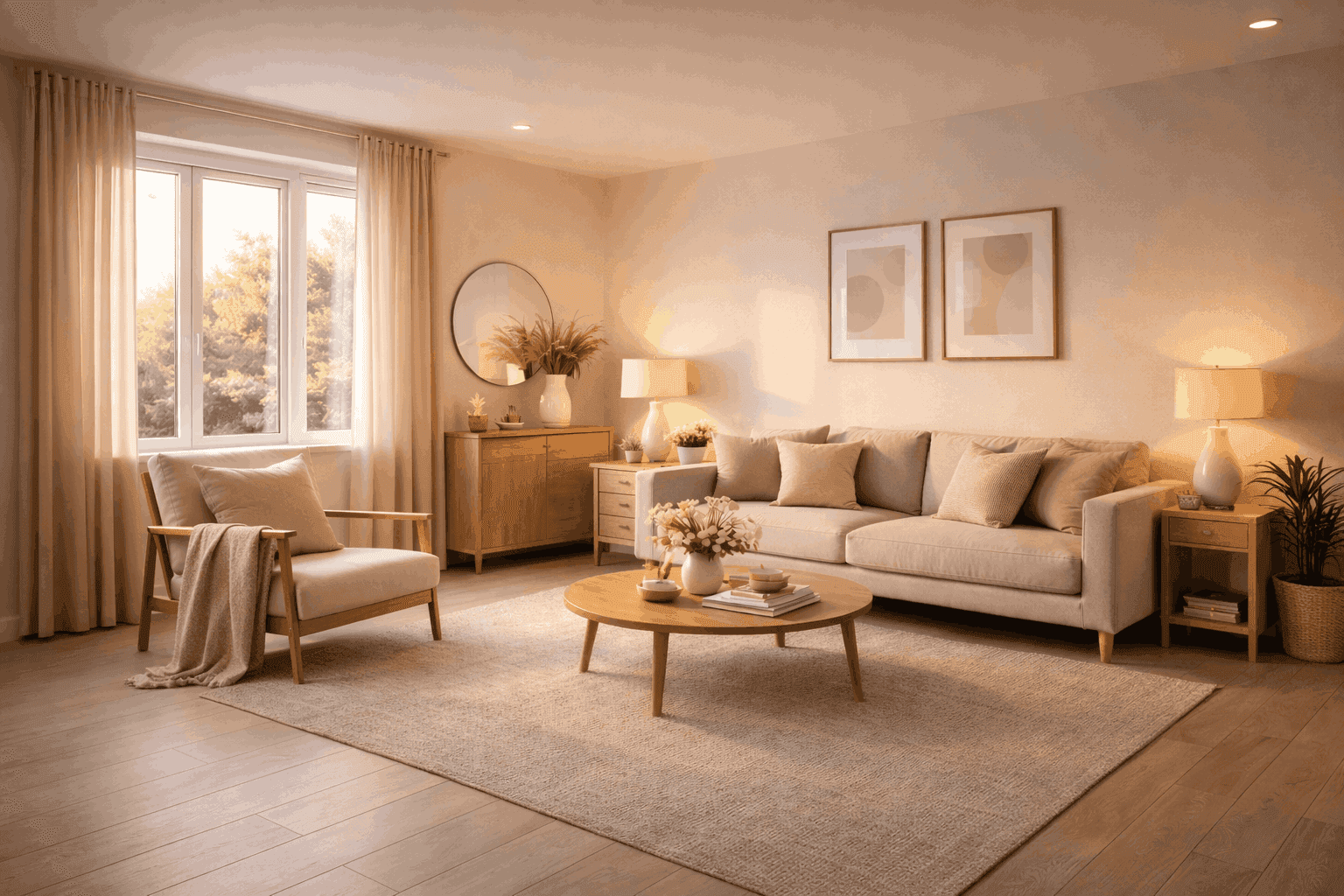
The living room acts as the primary social and energetic buffer.
Ideal Placement
North-east, east, or north zones are preferred
This allows light, openness, and interaction
Furniture Placement
Heavy seating towards the south or west
Open movement towards the north or east
Design Guidance
Keep the living room well-lit and clutter-free
Avoid excessive dark tones in the north-east
This arrangement helps soften the intensity of south-facing energy.
Kitchen Vastu for South Facing House
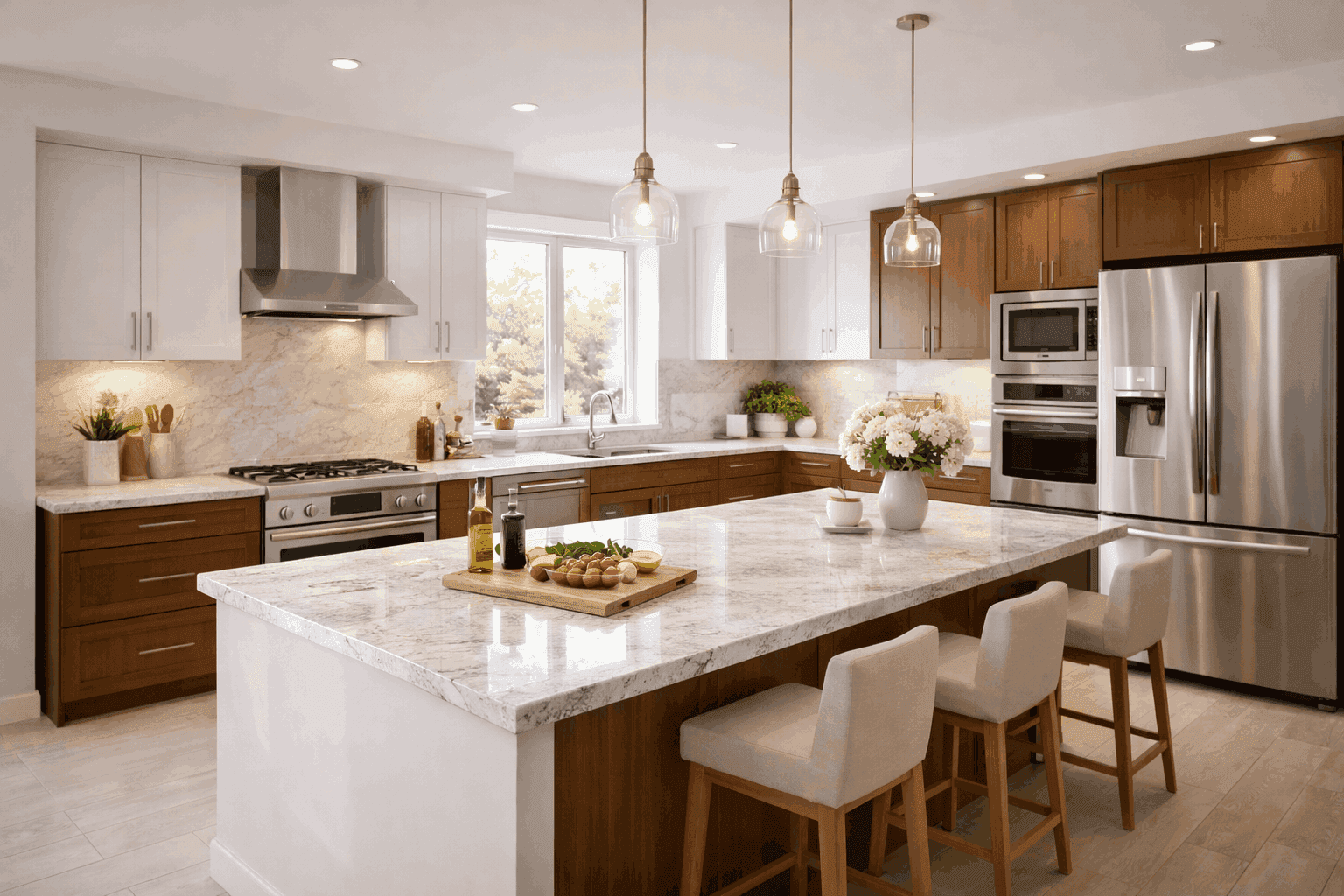
The kitchen represents the fire element and must be placed carefully.
Best Kitchen Zones
South-east is ideal
East is acceptable if south-east is unavailable
Zones to Avoid
South-west and north-east should be avoided for kitchens
Cooking Direction
The person cooking should ideally face east. This aligns with energy flow and supports health.
A correctly placed kitchen stabilises the entire home.
Bedroom Vastu for South Facing House
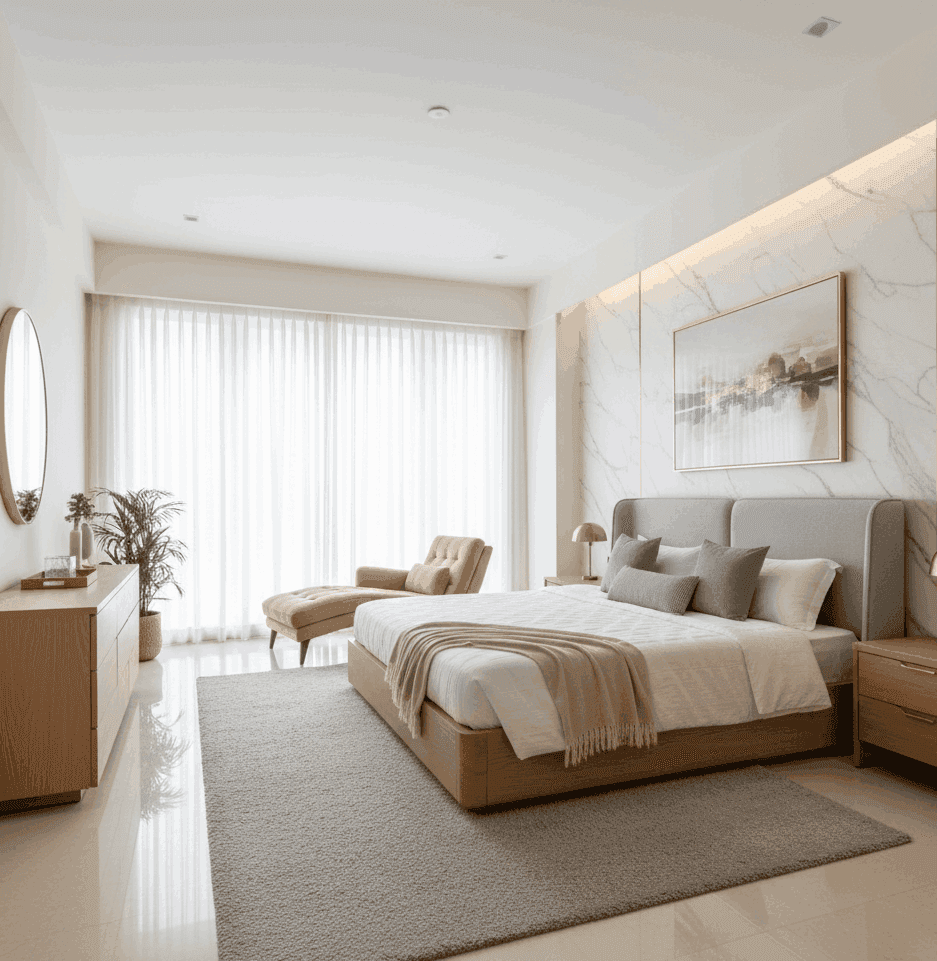
Bedrooms must prioritise rest and stability.
Master Bedroom
South-west is the most suitable location
This zone supports grounding and authority
Children’s Bedrooms
West or north-west zones work well
Guest Bedrooms
North-west is preferred
Sleeping Direction
Sleeping with the head towards the south is traditionally considered beneficial in vastu.
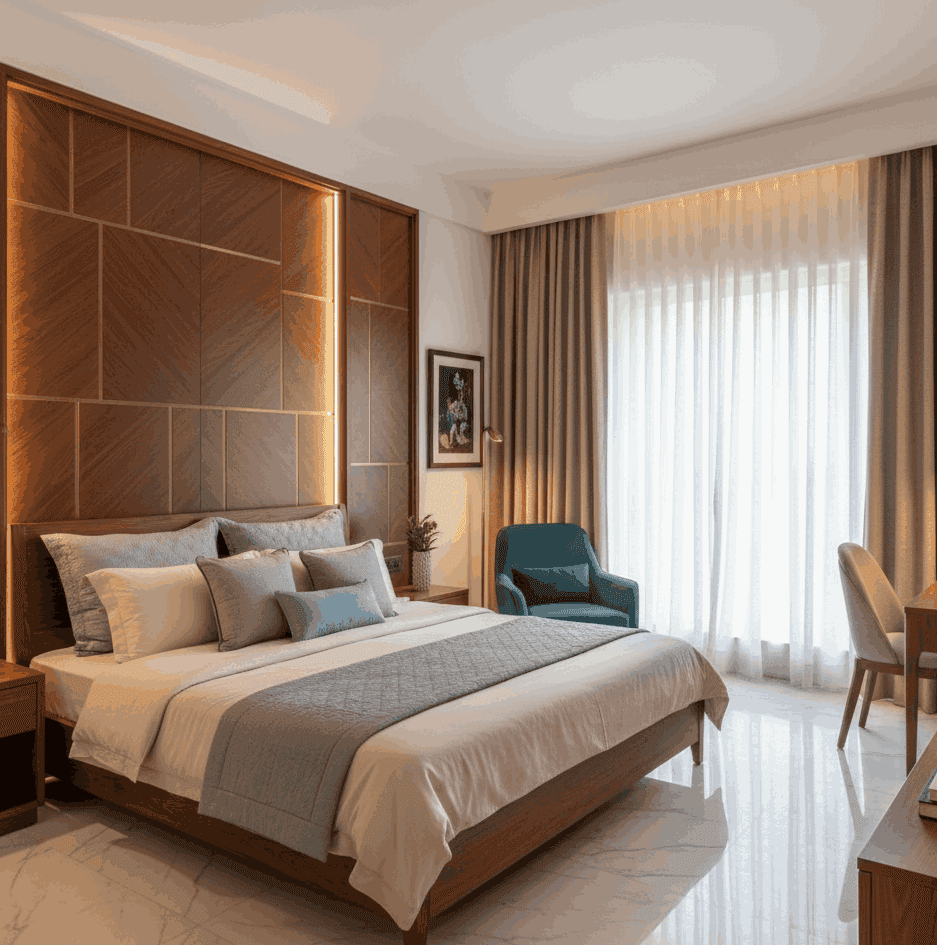
Bathroom and Toilet Vastu
Bathrooms represent water and drainage, so placement is critical.
Suitable Zones
West or north-west
South-east can work with proper balance
Zones to Avoid
North-east
Centre of the house
Good ventilation and cleanliness are essential for maintaining positive energy.
Pooja Room Vastu for South Facing House
The pooja room should always be placed in a zone of clarity and light.
Ideal Location
North-east is the most auspicious
East is the second preference
Design Guidance
Keep the space light, calm, and uncluttered
Avoid placing the pooja room under staircases or near toilets
Even in south-facing homes, a well-placed pooja room brings balance.
Staircase Vastu for South Facing Houses
Staircases represent movement and weight.
Best Zones
South
South-west
West
Zones to Avoid
North-east
Centre of the house
The staircase should rise clockwise and feel structurally solid.
Plot Shape and Levels in South Facing Houses
Plot geometry plays a major role in vastu outcomes.
Ideal Characteristics
Square or rectangular plots
Slightly higher levels in the south and west
Lower levels in the north and east
This slope supports natural energy flow.
Windows and Ventilation in South Facing Homes
South-facing homes must balance light carefully.
Design Approach
Larger windows in north and east
Controlled openings in the south
Adequate cross-ventilation
This prevents overheating while maintaining energy balance.
Colours Recommended for South Facing Houses
Colour plays a subtle but important role.
Suitable Colours
Earthy tones
Warm neutrals
Soft yellows and creams
Colours to Use Carefully
Excessive dark reds or blacks
Overly cold greys in the south
Colour should support grounding, not heaviness.
Common Vastu Mistakes in South Facing Houses
Experienced designers and vastu consultants avoid:
Placing entrances without zoning logic
Blocking north-east with heavy storage
Overloading the south-west with water elements
Ignoring light and ventilation balance
Most vastu issues arise from poor planning, not direction.
Can Modern Homes Follow Vastu Without Compromise?
Yes. Modern vastu is about integration, not rigid rules.
Open layouts, compact apartments, and contemporary lifestyles can all align with vastu principles through:
Intelligent zoning
Balanced proportions
Thoughtful furniture placement
Light and airflow management
Vastu should support living, not restrict it.
South Facing Flats and Apartments: Key Notes
In apartments:
Focus on entrance placement and internal zoning
Use furniture and partitions to correct imbalances
Avoid panic-driven remedies
Vastu works best when applied calmly and logically.
Final Thoughts on Vastu for South Facing House
A south-facing house is not a flaw. It is a design condition.
When understood correctly, vastu for south facing house planning creates homes that feel stable, powerful, and well-rooted. Direction alone does not decide destiny. Design clarity does.
With proper entrance placement, balanced zoning, and thoughtful interior planning, south-facing homes can support prosperity, comfort, and long-term harmony.
At Tint Tone and Shade, we believe vastu should work hand-in-hand with modern design, creating homes that feel both spiritually aligned and practically beautiful.
Frequently Asked Questions on Vastu for South Facing House
1. Is a south-facing house bad according to vastu?
No. A south-facing house is not inherently bad. Vastu focuses on how spaces are planned and balanced within a home. When entrance placement, room zoning, and energy flow are handled correctly, south-facing houses can be stable, prosperous, and comfortable.
2. Why do people avoid south-facing houses?
This belief comes from oversimplified interpretations of vastu. South-facing homes require more precise planning, especially at the entrance and south-west zones. When these aspects are ignored, issues may arise, which has led to a general misconception rather than a factual vastu principle.
3. Which entrance is best for a south-facing house?
The south-east or south-south-east portion of the south wall is considered more suitable for the main entrance. These zones help regulate energy flow better than the exact centre or south-west of the south side.
4. Can a south-facing house be lucky?
Yes. Many successful professionals and leaders live in well-planned south-facing homes. Vastu does not label homes as lucky or unlucky based on direction alone. Proper layout, light, ventilation, and zoning play a far bigger role.
5. Where should the master bedroom be in a south-facing house?
The south-west zone is considered ideal for the master bedroom. This area supports stability, authority, and restful sleep when planned correctly.
6. Is it okay to have a kitchen in a south-facing house?
Yes. The south-east zone is actually ideal for kitchens, even in south-facing houses. This aligns well with the fire element and supports health and balance.
7. Which direction should one sleep in a south-facing house?
Sleeping with the head towards the south is traditionally considered beneficial in vastu. It is believed to support better rest and grounding.
8. Can flats and apartments be south-facing as per vastu?
Yes. In apartments, vastu focuses more on the main door direction and internal zoning rather than the plot. South-facing flats can follow vastu principles through proper room usage, furniture placement, and light balance.
9. Is a pooja room possible in a south-facing house?
Yes. The north-east zone remains the most auspicious location for a pooja room, regardless of house orientation. South-facing homes can absolutely have well-aligned pooja spaces.
10. Do south-facing houses need vastu remedies?
In most cases, no. Good planning, correct room placement, proper light, and ventilation are more effective than symbolic remedies. Vastu works best when integrated through design rather than corrections added later.
11. Are south-facing houses hotter?
They can receive more sunlight, but this is a design issue, not a vastu problem. Proper window placement, shading, ventilation, and material choices help manage heat effectively.
12. Can modern homes follow vastu without compromising design?
Yes. Modern vastu is about balance and logic, not rigid rules. Open layouts, contemporary interiors, and compact homes can all follow vastu principles when planned thoughtfully.
13. Is vastu more important than functionality?
No. Vastu should support daily living, not override it. The best homes balance vastu principles with comfort, practicality, and modern lifestyle needs.
Similar Topic