Essential Vastu Tips for North-Facing Houses
Tips
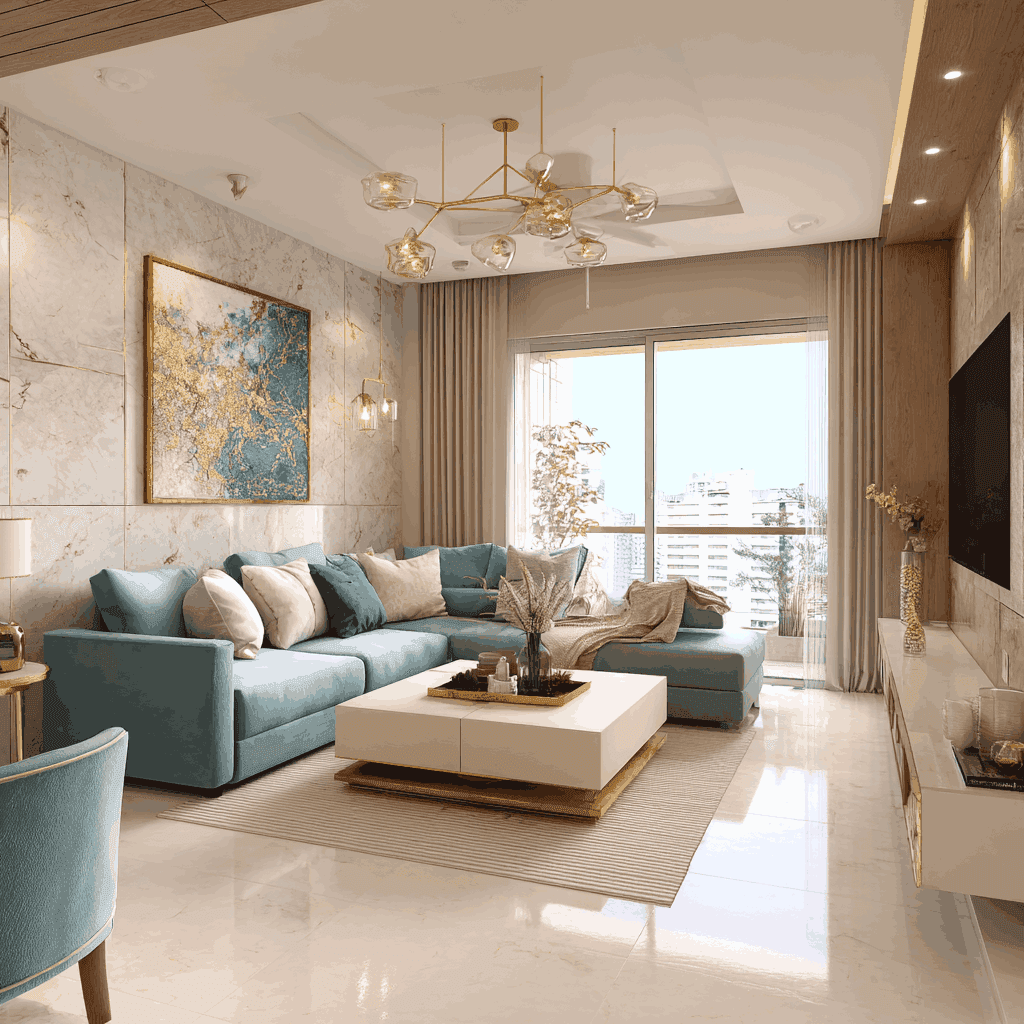




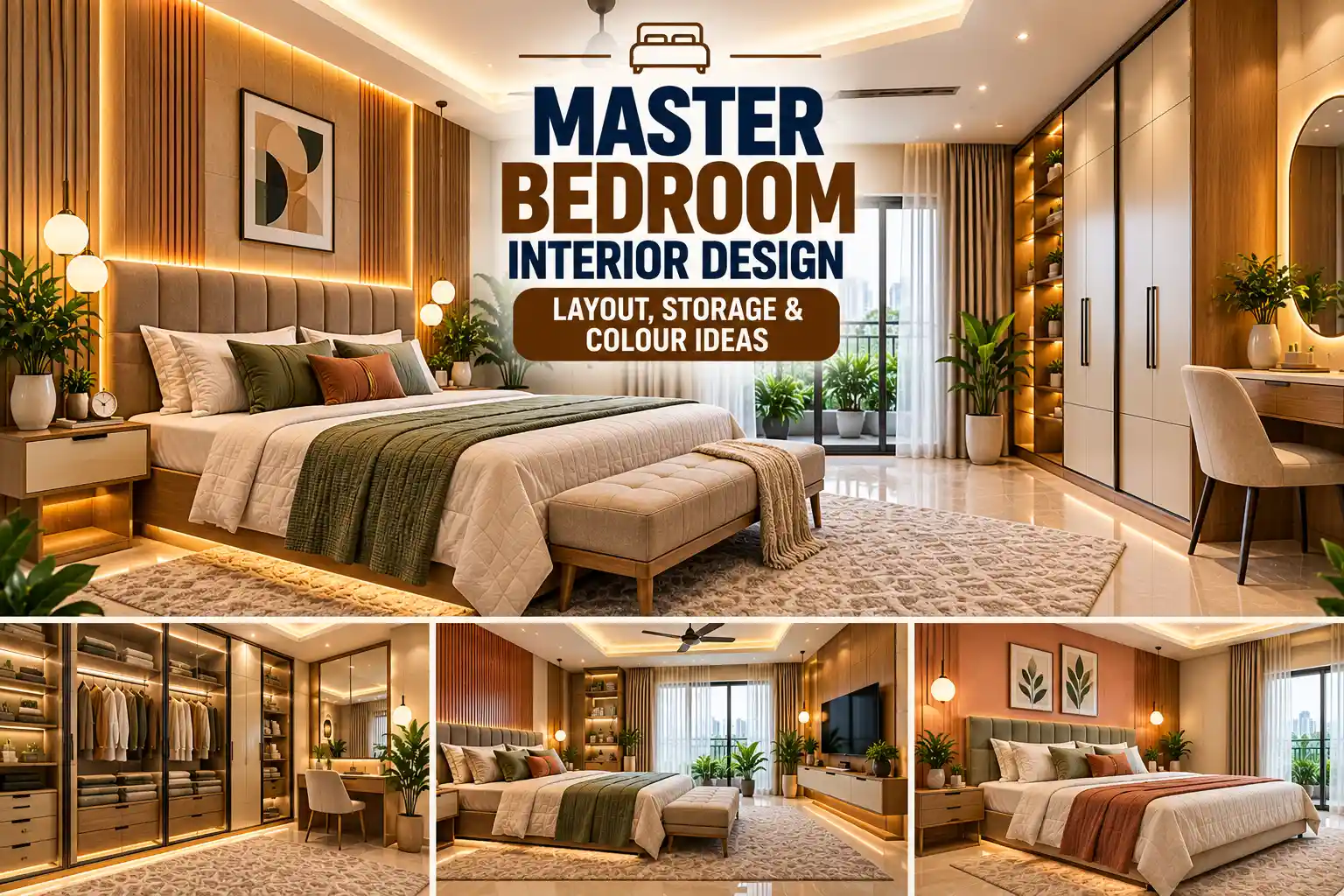
North-facing houses are widely considered favourable in vastu, yet they are often misunderstood. Many homeowners assume that simply choosing a north-facing plot guarantees harmony and prosperity. In reality, vastu does not work on direction alone. It works on how spaces are planned, balanced and lived in.
A well-designed north facing house vastu layout supports clarity, growth, financial stability, and mental ease. A poorly planned one, even if north-facing, can feel unsettled or imbalanced. Direction opens potential. Design determines outcome.
This comprehensive guide explains north facing house vastu principles in a structured, practical way, suited to modern Indian homes, apartments, and villas.
North Face House Vastu
North-facing houses are considered favourable but still require proper planning
Keep the north and north-east open, light, and clutter-free
Main entrance works best in north-east or north-north-east
Kitchen should be in south-east or east
Master bedroom is best in south-west
Pooja room should always be in north-east
Avoid toilets and staircases in north-east
Balance heavy zones in south and west
Modern homes can follow vastu without compromising design
Understanding North-Facing Houses in Vastu
A house is considered north-facing when the main entrance opens towards the north direction. In vastu philosophy, the north is associated with:
Growth and opportunity
Flow of wealth and career energy
The element of water
Clarity, movement, and expansion
Because of these associations, north-facing homes are often preferred. However, these benefits are realised only when the internal planning supports the energetic nature of the north.
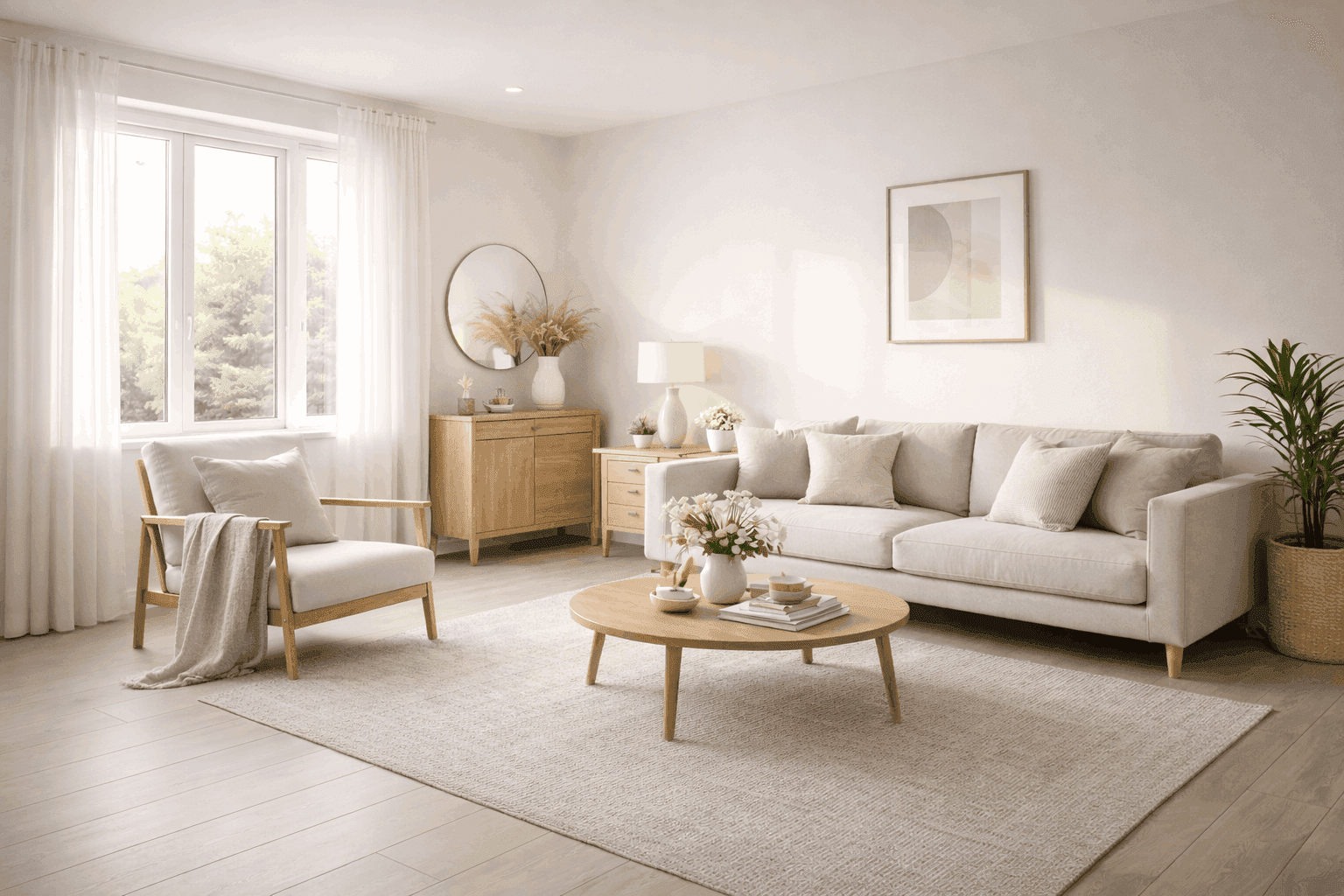
Why North-Facing Houses Are Considered Auspicious
The north direction is traditionally linked with Kubera, the deity of wealth. Symbolically, this translates into:
Openness
Circulation
Fluid movement
Progressive energy
In practical terms, north-facing homes benefit from:
Softer daylight
Less heat gain compared to west or south
Comfortable thermal balance
But vastu is not symbolic alone. It is deeply connected to spatial logic and environmental comfort.
Core Vastu Principle for North-Facing Houses
The most important principle in north facing house vastu is keeping the north light, open, and active, while allowing heavier and more static functions to settle towards the south and west.
North-facing homes thrive when:
Entry is welcoming but not cluttered
North and north-east remain open and light
Heavier zones are pushed south-west
Energy flows inward without obstruction
Main Entrance Vastu for North-Facing Houses
The entrance is the most influential element in any vastu plan.
Ideal Entrance Placement
For north-facing houses, the north-east or north-north-east portion of the north wall is considered most suitable.
This placement:
Encourages smooth energy inflow
Supports clarity and growth
Keeps the entrance naturally well-lit
Entrance Design Considerations
The entrance should feel welcoming and uncluttered
Avoid heavy storage or obstructions near the door
Ensure adequate natural or artificial lighting
A north-facing entrance should feel open, not compressed.
Living Room Vastu for North-Facing Houses
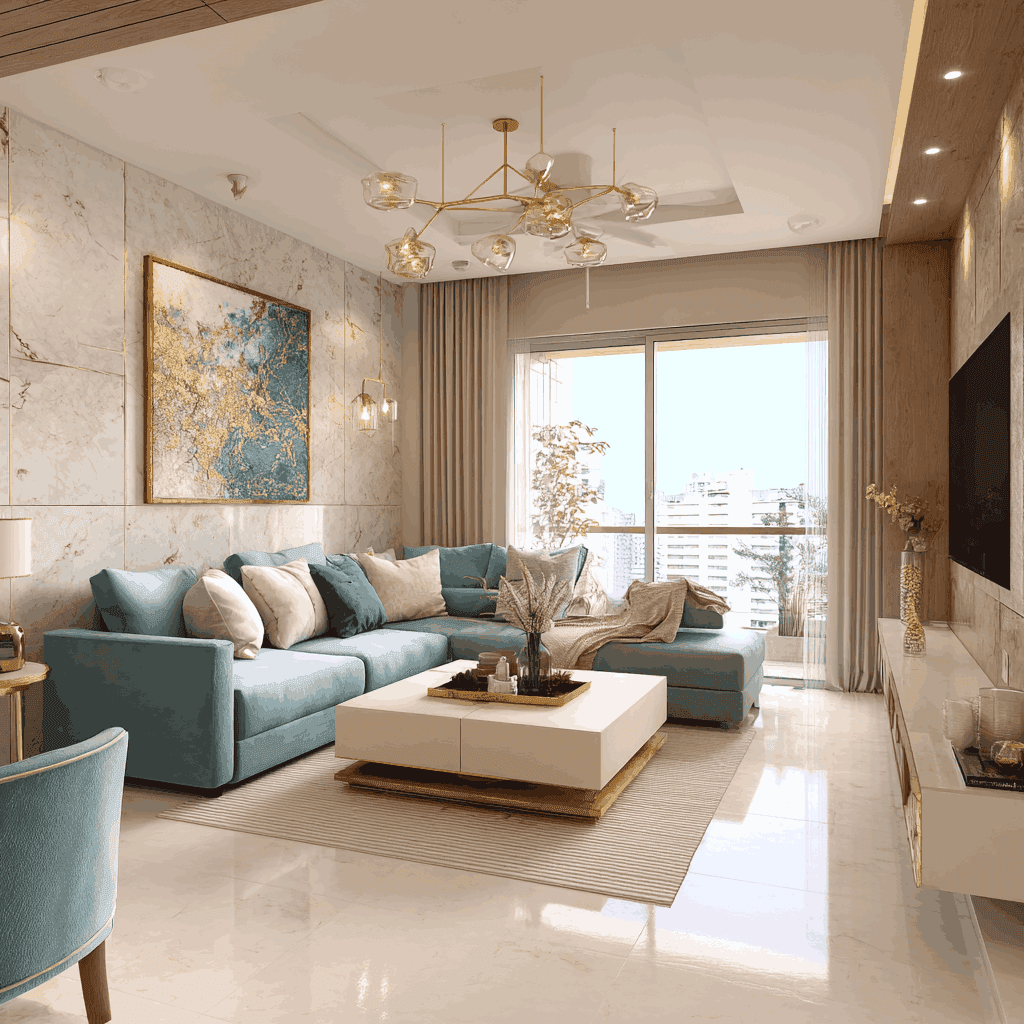
The living room acts as the energetic receiver of the home.
Ideal Placement
North-east, north, or east zones are ideal
These zones allow light and openness
Furniture Arrangement
Heavier seating towards south or west walls
Open movement paths towards north and east
Design Guidance
Keep the living room airy and clutter-free
Avoid blocking windows in the north
A well-planned living room enhances the natural advantages of a north-facing home.
Kitchen Vastu for North-Facing Houses
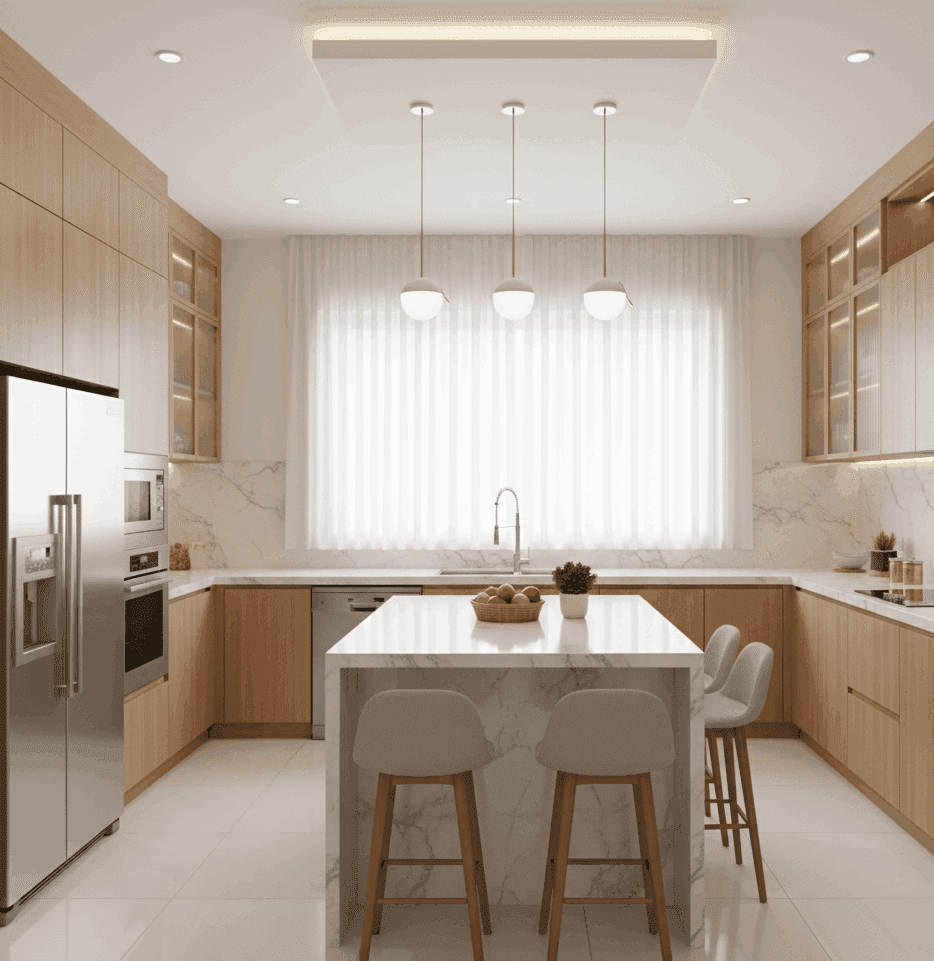
The kitchen represents the fire element and must be placed carefully.
Best Kitchen Zones
South-east is ideal
East is acceptable if south-east is unavailable
Zones to Avoid
North and north-east should be avoided for kitchens
Cooking Orientation
The person cooking should ideally face east, supporting balance between fire and water elements.
Bedroom Vastu for North-Facing Houses
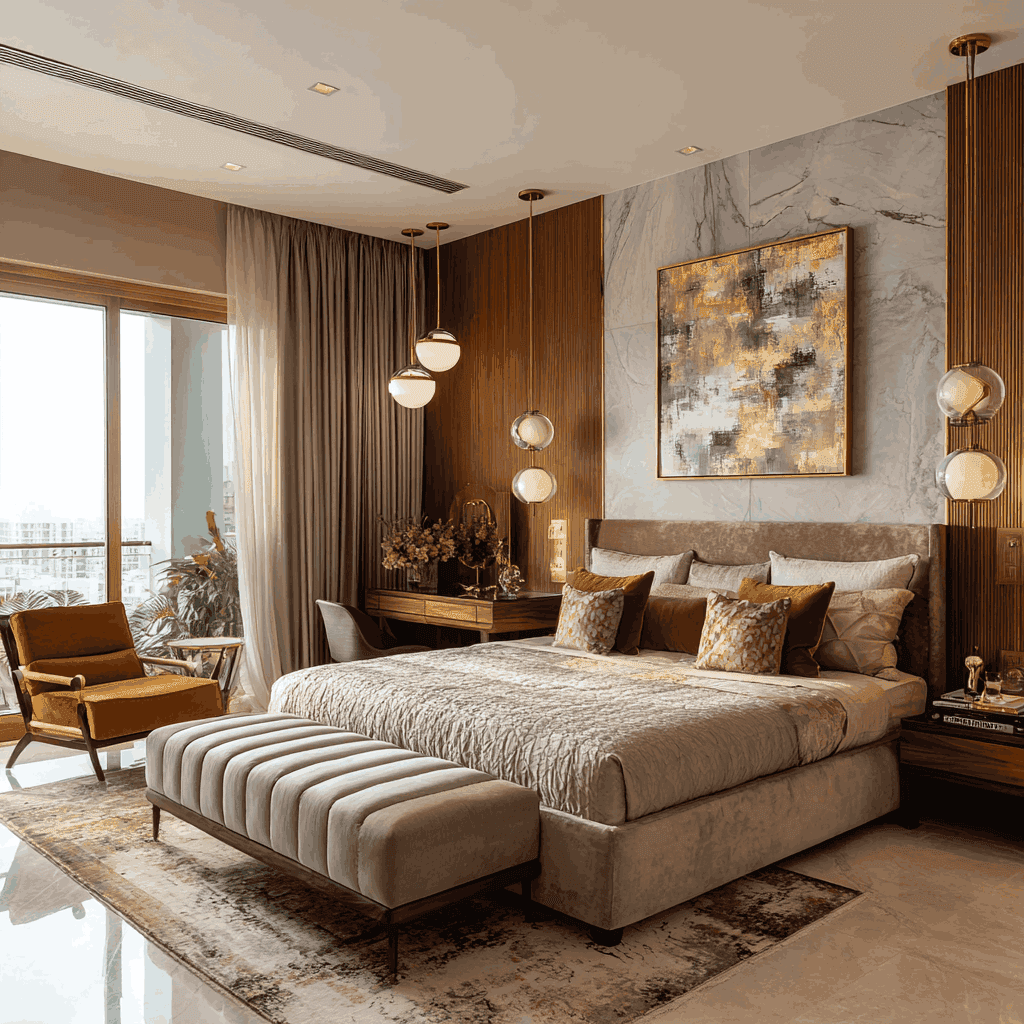
Bedrooms require stability and calm.
Master Bedroom
South-west is the most suitable zone
This area supports rest, authority, and grounding
Children’s Bedrooms
West or north-west zones work well
Guest Bedrooms
North-west is preferred
Sleeping Direction
Sleeping with the head towards the south or east is generally recommended.
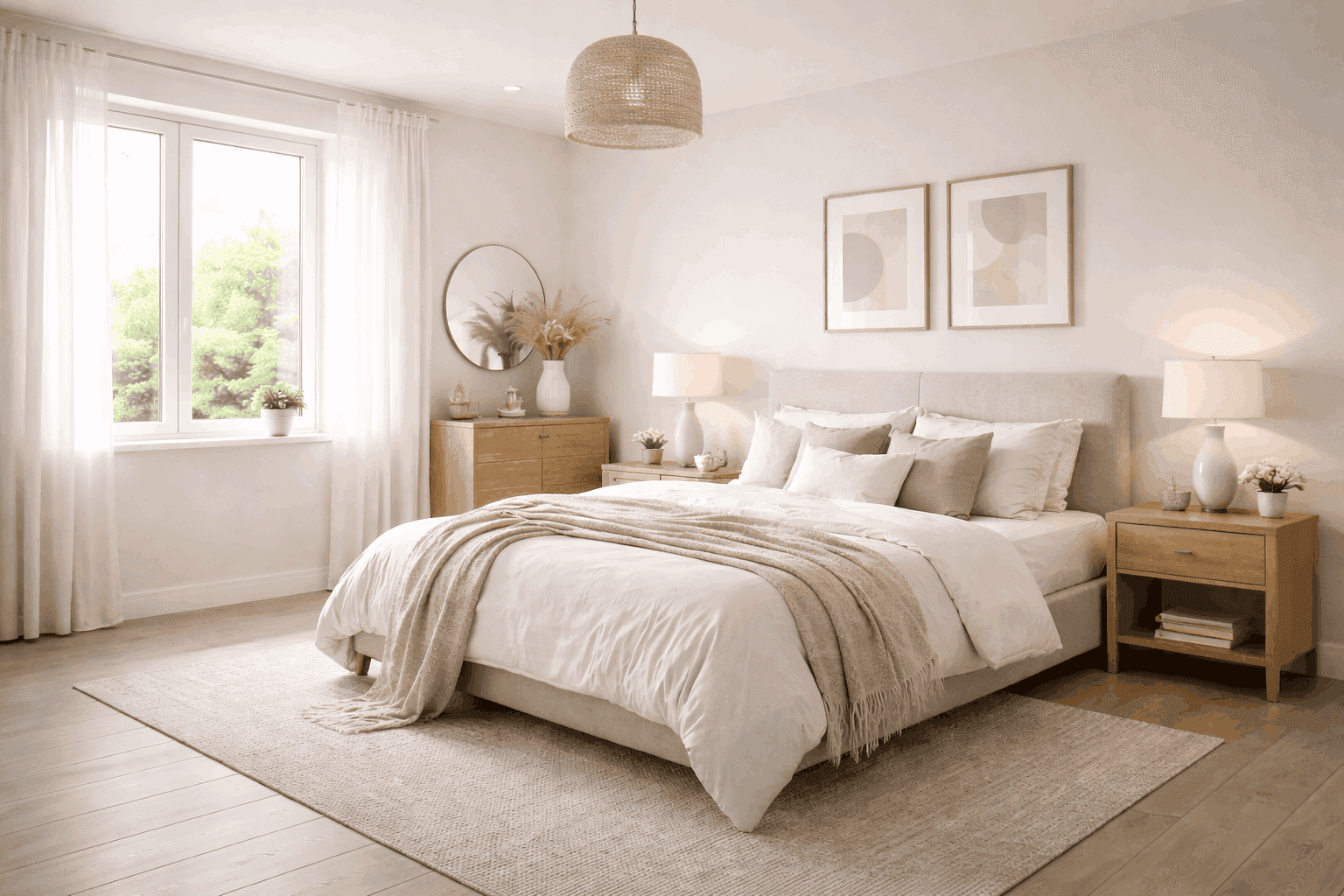
Pooja Room Vastu for North-Facing Houses
The pooja room should always occupy the most refined zone.
Ideal Placement
North-east is the most auspicious
East is the secondary choice
Design Guidance
Keep the space light, calm, and uncluttered
Avoid placing it near toilets or staircases
Even in compact homes, prioritising the north-east strengthens balance.
Bathroom and Toilet Vastu
Bathrooms involve water and drainage and must be planned carefully.
Suitable Zones
West
North-west
Zones to Avoid
North-east
Centre of the house
Proper ventilation and cleanliness are essential to maintain harmony.
Staircase Vastu for North-Facing Houses
Staircases represent movement and weight.
Ideal Zones
South
South-west
West
Zones to Avoid
North-east
Centre of the house
Staircases should feel solid and grounded.
Plot Shape, Slope and Levels
In north facing house vastu, land characteristics matter.
Ideal Plot Shape
Square or rectangular
Level and Slope Guidance
Slightly higher in the south and west
Lower towards north and east
This supports natural energy flow and drainage.
Windows, Light, and Ventilation
North-facing homes benefit from gentle daylight.
Design Strategy
Larger openings in north and east
Controlled openings in south and west
Good cross-ventilation
Light enhances clarity, one of the core benefits of north-facing houses.
Colour Guidance for North-Facing Houses
Colour affects perception and energy subtly.
Recommended Colours
Soft whites
Light blues
Creams and gentle pastels
Colours to Use Carefully
Heavy reds
Excessive dark browns in the north
The north should feel light and fluid, not heavy.
North-Facing Apartments and Flats
In apartments:
Focus on main door orientation
Maintain north-east openness inside
Use furniture placement to correct imbalance
Vastu can be followed effectively even without structural changes.
Common Mistakes in North-Facing Houses
Designers and vastu consultants often avoid:
Blocking the north with heavy storage
Placing kitchens or toilets in north-east
Overloading the centre of the home
Treating vastu as decoration rather than planning
Most issues arise from poor layout, not direction.
Can Modern Homes Follow North Face House Vastu?
Yes. Vastu works best when adapted intelligently.
Modern planning can align with vastu through:
Clear zoning
Balanced proportions
Logical furniture placement
Natural light management
Vastu should support modern life, not restrict it.
Myths Around North-Facing Houses
Some common myths include:
North-facing houses guarantee wealth
No planning is required if the house faces north
In reality, vastu rewards intentional planning, not assumptions.
Final Thoughts on North Face House Vastu
A north-facing house offers excellent potential, but potential must be realised through thoughtful design.
When planned correctly, north facing house vastu supports growth, clarity, comfort, and long-term harmony. Direction opens the door. Design decides what enters.
At Tint Tone and Shade, we believe vastu should work alongside good design, creating homes that feel balanced, functional, and emotionally comfortable.
Frequently Asked Questions on North Face House Vastu
1. Is a north-facing house always good as per vastu?
A north-facing house is generally considered favourable, but direction alone does not guarantee positive results. Proper planning, correct room placement, openness in the north and north-east, and balanced zoning are essential for vastu to work effectively.
2.Which entrance is best for a north-facing house?
The north-east or north-north-east portion of the north wall is considered ideal for the main entrance. These zones allow smooth energy flow and support clarity and growth.
3. Can a north-facing house have a kitchen in the north?
Ideally, no. Kitchens represent the fire element and are best placed in the south-east or east. Placing a kitchen in the north or north-east can disturb the natural balance of a north-facing home.
4. Where should the master bedroom be in a north-facing house?
The south-west zone is considered the best location for the master bedroom. This area supports stability, authority, and restful sleep.
5. Is it good to have a pooja room in a north-facing house?
Yes. The north-east zone is the most auspicious location for a pooja room in any house, including north-facing homes. The east zone is a suitable alternative.
6. Which direction should one sleep in a north-facing house?
Sleeping with the head towards the south or east is generally recommended in vastu. These directions support better rest and grounding.
7. Are north-facing flats good as per vastu?
Yes. North-facing flats can follow vastu principles effectively. In apartments, vastu focuses more on the main door direction, internal zoning, furniture placement, and maintaining openness in the north and north-east.
8. Can toilets be placed in a north-facing house?
Yes, but they should be placed carefully. West or north-west zones are suitable. Toilets should be avoided in the north-east or the centre of the house.
9. Do north-facing houses need vastu remedies?
In most cases, no. Good layout planning, proper room usage, natural light, ventilation, and clutter-free spaces are more effective than remedies. Vastu works best when integrated through design.
10. Are north-facing houses cooler?
North-facing houses generally receive softer daylight and less direct heat compared to west or south-facing homes. However, thermal comfort also depends on design, ventilation, and window placement.
11. Can modern homes follow north face house vastu?
Yes. Modern homes can follow vastu without compromising functionality or aesthetics. Open layouts, contemporary interiors, and compact homes can all align with vastu through thoughtful planning.
12. Is vastu more important than functionality?
No. Vastu should support daily living, not override comfort or practicality. The best homes balance vastu principles with modern lifestyle needs.
Similar Topic